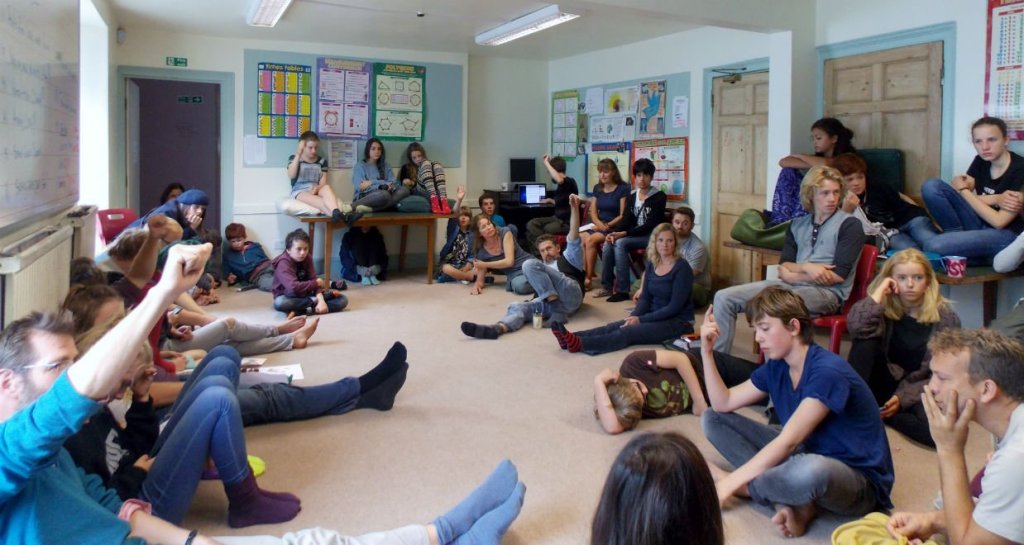
Democratic schools are a fascinating alternative to traditional education systems, offering students a unique and empowering learning experience. In this FAQ-style guide, we will explore the concept of Democratic schools, their principles, benefits, challenges, and how they differ from conventional schooling.
**What is a Democratic school?**
A Democratic school is an educational institution where students have a significant role in decision-making processes that affect their daily lives and learning experiences. These schools operate on the principle of student self-governance, where learners have the freedom to choose what and how they learn. Students at Democratic schools typically participate in creating the rules and policies that govern the school community through democratic processes such as assemblies or councils.
**How do Democratic schools operate?**
Democratic schools function based on several key principles:
1. **Self-Directed Learning:** Students have autonomy over their learning journey and can pursue topics of interest at their own pace.
2. **Democratic Governance:** Decision-making within the school community is carried out democratically with equal voting rights for all members.
3. **Community Involvement:** The school community includes students, teachers, and staff who collaborate to create an inclusive and supportive environment for learning.
4. **Respect for Individuality:** Each student’s unique strengths, interests, and learning styles are valued and nurtured within the school setting.
These principles guide all aspects of a Democratic school’s operation from curriculum design to conflict resolution strategies.
**What are some benefits of attending a Democratic school?**
There are numerous advantages associated with attending a Democratic school:
1. **Empowerment:** Students develop critical thinking skills, independence, self-confidence, and decision-making abilities by actively participating in shaping their educational experience.
2. **Personalized Learning:** Learners have the flexibility to tailor their education to match their interests and individual needs rather than following a standardized curriculum.
3. **Sense of Community:** Students feel connected to their peers and teachers through shared decision-making processes which fosters empathy, respect for diversity, collaboration skills.
4. **Preparation for Citizenship:** By engaging in democratic governance within the school community; students gain valuable experience in civic participation which prepares them for active citizenship outside of academia.
5. **Enhanced Motivation**: When students have agency over their education process they tend to be more motivated leading to increased engagement in academic tasks
**What challenges do Democratic schools face?**
While there are many benefits associated with attending a Democratic School; there are also challenges that these institutions must navigate:
1 . **Resource Constraints**: Many Democractic Schools operate with limited resources making it challengingto provide adequate facilities materials or extracurricular activities
2 . **Societal Perceptions**: Some people may view alternative forms of education skeptically resultingin lackof supportand understandingfrom wider society
3 . **Transitioning from Traditional Education**: It can be challenging forthose who were previously partofa traditional schooling systemto adapttothe increasedautonomyand responsibilitythat comeswithattendinga Democractic School
4 . **Balancing Freedomand Structure**: Findingthe right balancebetween allowingstudents freedomovertheirlearningwhile providing enoughstructureandsupportcanbeachallengingjugglingactforadministratorsandteachers alike
Despite these challenges,Democratic Schools continue towitness growthandrenewedinterestasmorepeopleseekalternativeapproachestoeducationthatempowersstudentsandpromotes holistic development
In conclusion,Democratic Schools offerapromisingalternative toprescriptiveeducationalmodelsby placingstudentagencyatthecenterofthelearningexperience.Theseinstitutionsemphasizecommunity,collaboration,andindividuality while preparingstudentsforlifelonglearningandexercisingdemocraticprinciplesinsociety.ThebenefitsofattendingaDemocraticSchoolincludeempowerment,personalizedlearning,senseofcommunity,andpreparationforcitizenship.However,challengesincludingresourceconstraints,societalperceptions,andtransitiondifficultiesmustbeaddressedfortheschoolstothriveinthefuture
 Alternative Amie
Leave a comment