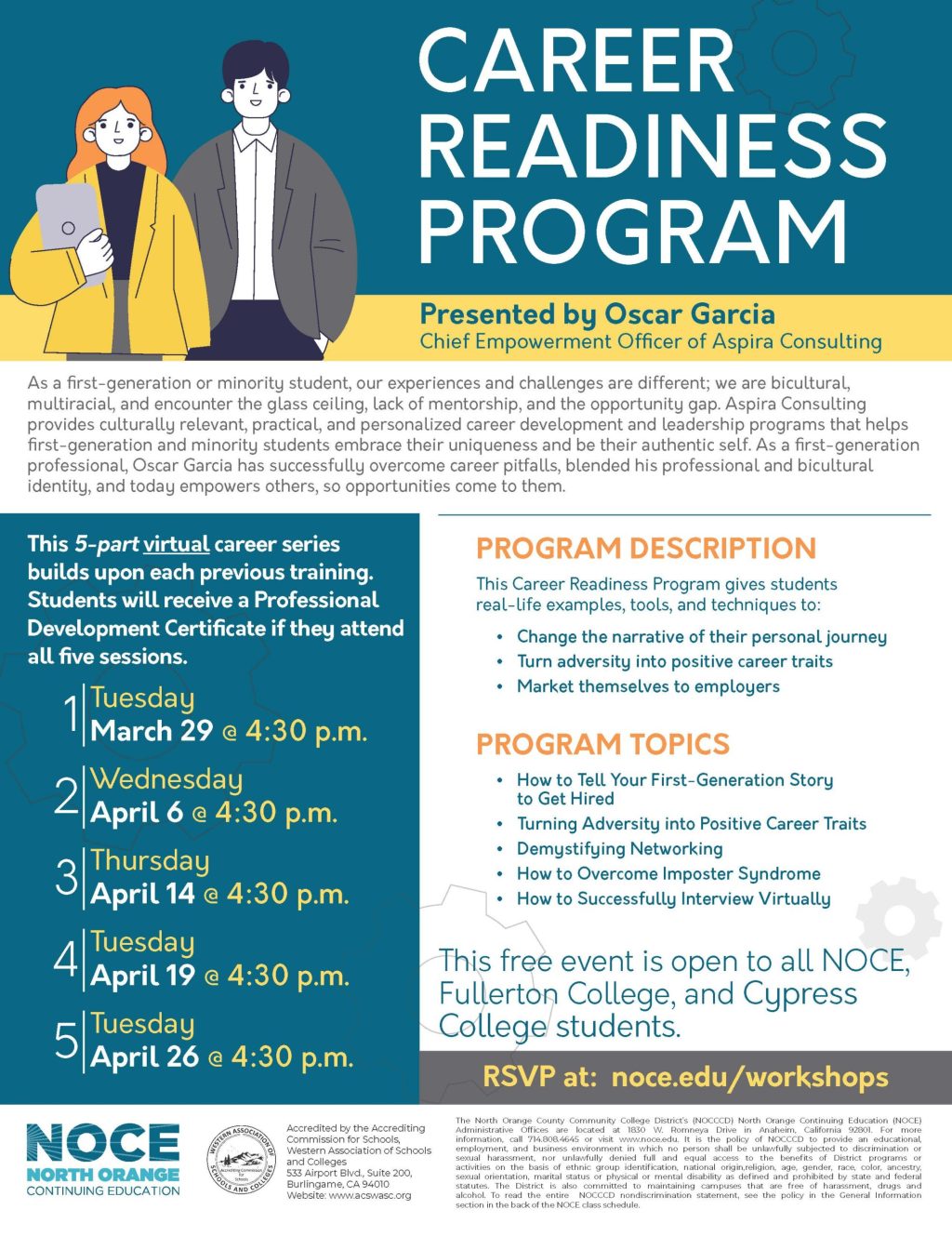
College readiness programs have become increasingly popular in recent years as more and more students seek to better prepare themselves for the challenges of higher education. These programs are designed to help students develop the academic skills, study habits, and personal qualities needed to succeed in college. Whether you’re a high school student looking to get a head start on your college journey or an adult learner thinking about returning to school, there are a variety of college readiness programs available to meet your needs.
One common type of college readiness program is the dual enrollment program. Dual enrollment allows high school students to take college-level courses while still enrolled in high school, earning both high school and college credit simultaneously. This can be a great way for motivated students to challenge themselves academically and get a taste of what college coursework is like before they graduate from high school.
Another popular option is the Advanced Placement (AP) program. AP courses are rigorous, college-level classes offered in high schools across the country that culminate in a standardized exam at the end of the year. Students who earn a passing score on an AP exam may receive college credit or advanced placement in their chosen subject area when they enroll in college. Participating in AP courses can help demonstrate your ability to handle challenging coursework and potentially save you time and money by allowing you to skip introductory classes once you get to college.
For students who might not have access to dual enrollment or AP courses at their high schools, there are also online options available. Many colleges and universities offer online courses specifically designed for high school students looking to enhance their academic skills and prepare for higher education. These courses cover a wide range of subjects and allow students to learn at their own pace from anywhere with an internet connection.
In addition to academic preparation, many college readiness programs also focus on helping students develop important non-academic skills that will serve them well in college and beyond. For example, some programs offer workshops on time management, study skills, financial literacy, and career exploration. These sessions can provide valuable information and resources that will help students navigate the challenges of transitioning from high school to college life successfully.
Furthermore, some programs also incorporate mentorship components where current college students or professionals work with participants one-on-one or in small groups to provide guidance, support, and encouragement as they prepare for higher education. Having access to experienced mentors who can share their own experiences navigating the complexities of academia can be invaluable for aspiring collegians.
It’s worth noting that many community organizations and nonprofit agencies offer free or low-cost college readiness programs for underserved populations such as first-generation college-goers or low-income individuals. These programs often provide additional support services such as tutoring, test preparation assistance (e.g., SAT/ACT), scholarship application guidance, and help with completing financial aid forms like FAFSA (Free Application for Federal Student Aid). By participating in these initiatives early on during your educational journey, you may increase your chances of gaining admission into competitive colleges/universities while reducing potential barriers related due lack resources
Overall participation in any form of College Readiness Program has shown positive outcomes including increased likelihoods being admitted into colleges/universities among other post-secondary institutions upon graduating from High School; enhanced preparedness leading more successful completion rates within higher learning institutes; development improved critical thinking problem-solving abilities essential thriving academically throughout collegiate careers; building lasting networks relationships supporting future endeavors after graduation..
In conclusion it’s evident investing time effort engaging constructive pre-college preparatory activities beneficial all parties involved -students educators alike- ensuring smooth transition secondary Post-secondary Education paths eventually leading successful prosperous futures ahead!
 Alternative Amie
Leave a comment