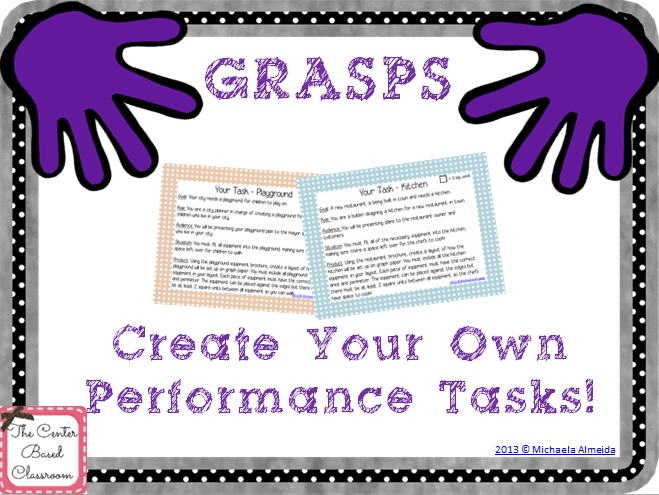
Performance tasks are a valuable component of alternative schooling and education, providing students with hands-on opportunities to showcase their knowledge and skills in real-world scenarios. These tasks go beyond traditional assessments like tests and essays, allowing students to demonstrate their understanding through practical applications and creative projects.
One key benefit of performance tasks is that they engage students in active learning experiences. By working on projects that require problem-solving, critical thinking, and collaboration, students can deepen their understanding of the subject matter while developing important 21st-century skills. For example, a science experiment where students design and conduct their own research allows them to apply scientific principles in a meaningful way and gain a deeper appreciation for the scientific process.
Moreover, performance tasks promote personalized learning by allowing students to pursue topics that interest them or align with their strengths. Whether it’s creating a multimedia presentation on a historical event or designing an innovative solution to a social issue, performance tasks empower students to take ownership of their learning journey and showcase their unique talents. This individualized approach can boost student motivation and engagement, leading to more positive outcomes academically and personally.
In addition to fostering creativity and autonomy, performance tasks also prepare students for future success by honing essential skills such as communication, problem-solving, time management, and adaptability. Working on complex projects requires students to think critically about the task at hand, communicate effectively with peers or mentors, manage their time efficiently to meet deadlines, and adjust course when faced with challenges – all valuable competencies that will serve them well in college or the workforce.
Furthermore, performance tasks provide educators with valuable insights into student progress and proficiency levels. By observing how students approach a task, collaborate with others, overcome obstacles,and present their work,personalize instruction based on individual needs.By analyzing student performances,Educators can identify areas where additional support or enrichment may be necessary,supporting continuous growth.A variety of assessment methods can be used within performance tasks,to evaluate both content masteryand skill development.This holistic approach provides educatorswith comprehensive dataon student achievement,making it easierto track progressover timeand make informedinstructional decisions.
Overall,the inclusionofperformance taskswithin alternative schoolingand educationprograms enhanceslearning experiencesforstudentsby promotingactiveengagement,personalizedlearningopportunities,and the developmentof essential21st-century skills.These hands-onprojects not onlyfostercreativityand autonomybut alsopreparestudentsfor future academicand career successby equippingthemwith valuableskillsandskillsets.Educatorscan useperformance tasksto assessstudent progressmore comprehensivelyand tailorinstructionto meetindividualneeds,resultingin amore effectiveandrelevanteducational experiencefor all stakeholders.As alternativeeducationcontinues togrowandinfluence,the integrationofperformance taskswill likely playa pivotal rolein shapingthe educational landscapefor years toe come.
 Alternative Amie
Leave a comment