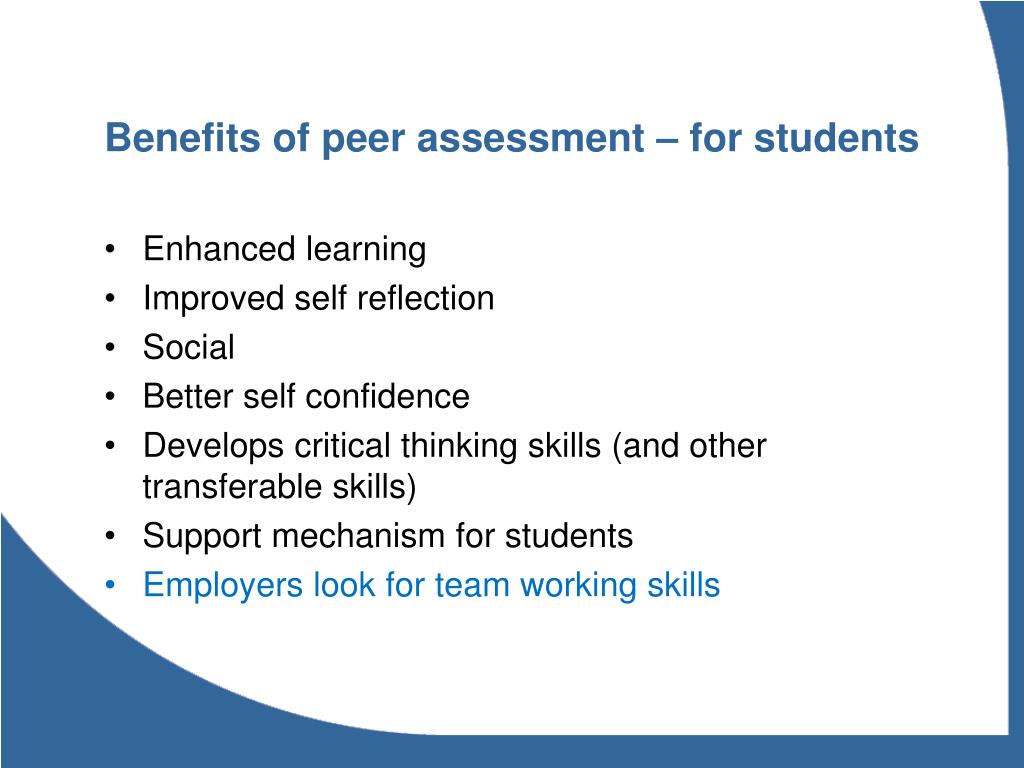
Peer assessment, a practice where students provide feedback and evaluate the work of their classmates, has been gaining popularity in educational settings for its numerous benefits. In alternative schooling and education environments, peer assessment plays a crucial role in promoting collaborative learning, enhancing critical thinking skills, and fostering a supportive community among students.
One of the key advantages of peer assessment is that it encourages active participation and engagement among students. By assessing their peers’ work, students take on a more active role in the learning process, which can lead to increased motivation and deeper understanding of the subject matter. This hands-on approach also helps students develop important communication skills as they learn to give constructive feedback and engage in meaningful discussions with their peers.
Peer assessment also promotes a sense of ownership over one’s learning outcomes. When students are involved in evaluating their own work as well as that of their peers, they become more accountable for their performance and progress. This self-regulation fosters independence and empowers students to take control of their learning journey.
Furthermore, peer assessment provides valuable opportunities for students to receive diverse perspectives and insights on their work. Classmates may offer fresh ideas or identify areas for improvement that the teacher might not have noticed. This multi-faceted feedback can help students gain new insights, refine their skills, and enhance the quality of their work.
In addition to academic benefits, peer assessment helps cultivate essential life skills such as teamwork, empathy, and respect for others’ opinions. Engaging in constructive criticism teaches students how to give and receive feedback graciously while building a culture of mutual support within the classroom.
Overall, peer assessment is a powerful tool that promotes student engagement, critical thinking skills, self-regulation, diverse perspectives, and important life skills. Implementing peer assessment practices in alternative schooling environments can enrich the educational experience by fostering collaborative learning communities where every student has the opportunity to grow and succeed.
 Alternative Amie
Leave a comment