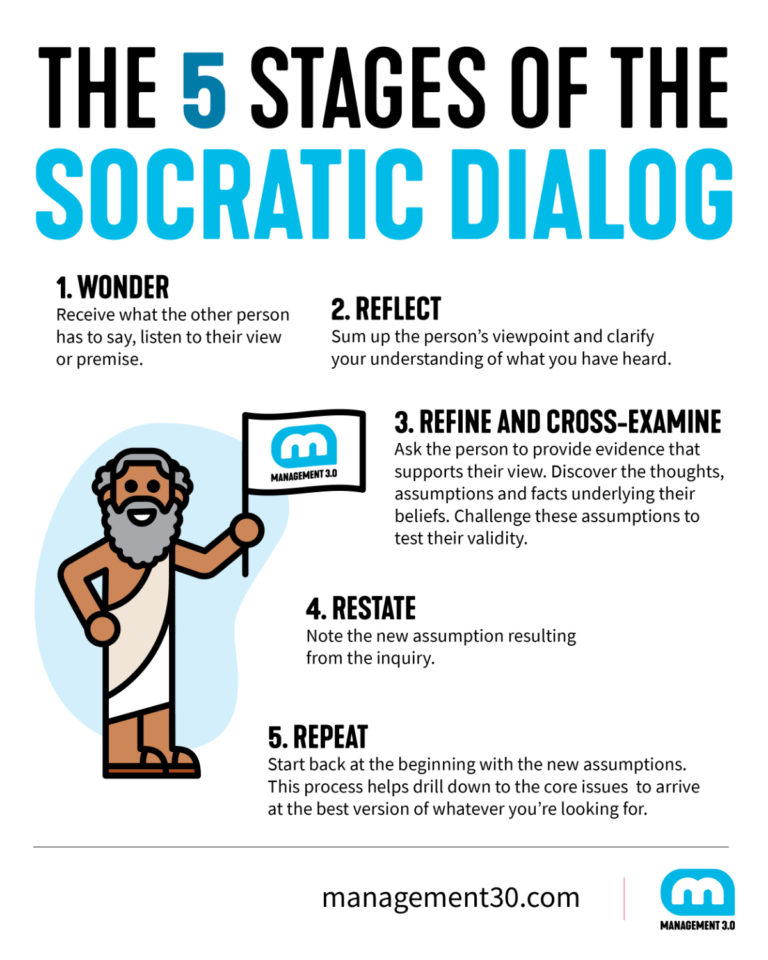
Incorporating the Socratic method into physical education classes can be a powerful tool for promoting critical thinking, problem-solving skills, and overall student engagement. By applying this method, educators can encourage students to question their assumptions and explore different perspectives in relation to various aspects of physical activity.
One way to implement the Socratic method in physical education is by using open-ended questions during warm-up activities or skill-building exercises. For example, instead of simply instructing students on how to perform a specific movement or technique, teachers can ask questions such as “Why do you think it’s important to maintain proper form when performing this exercise?” or “What are some strategies you could use to improve your balance during this activity?”
By prompting students to reflect on their own experiences and knowledge, these types of questions encourage deeper understanding and help develop critical thinking skills. Additionally, instructors can facilitate discussions among students by encouraging them to respectfully challenge each other’s ideas and provide evidence-based reasoning.
Furthermore, incorporating group discussions within physical education classes allows students with diverse backgrounds and abilities to engage in collaborative problem-solving. This approach fosters teamwork skills while also promoting empathy and understanding among peers.
It is important for educators using the Socratic method in physical education classes to create an inclusive environment where all voices are valued. Students should feel comfortable expressing their thoughts without fear of judgment or ridicule. Teachers should also be mindful of cultural considerations when discussing topics related to body image or gender roles in sports.
Overall, integrating the Socratic method into physical education provides an opportunity for students not only to develop their physical skills but also cultivate cognitive abilities that extend beyond the realm of sports. By fostering critical thinking through inquiry-based learning, educators can empower students with valuable lifelong skills that they can apply both inside and outside the classroom setting.
 Alternative Amie
Leave a comment