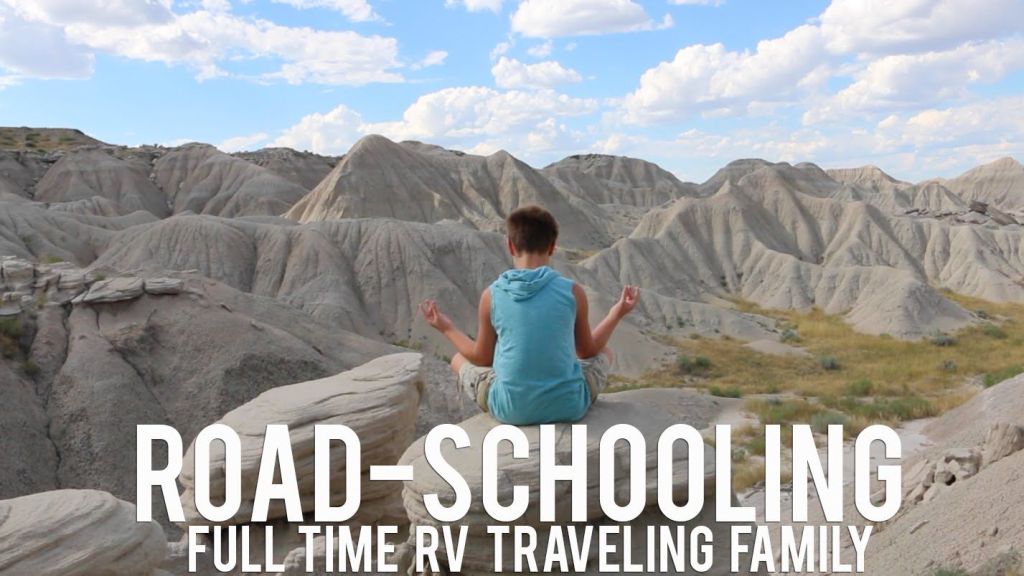
Embarking on a roadschooling journey can be an incredibly enriching and transformative experience for both parents and children alike. As you navigate the open road while educating your children, there are several key factors to consider in order to ensure a successful and fulfilling learning adventure.
One of the first decisions you’ll need to make is choosing the right vehicle for your roadschooling journey. Whether it’s a motorhome, camper van, or even just a reliable car, selecting a mode of transportation that suits your family’s needs and budget is crucial. Consider factors such as space, comfort, fuel efficiency, and reliability when making this important decision.
Curriculum planning on the road is another essential aspect of roadschooling. With so many educational resources available online and in print, designing a curriculum that aligns with your child’s interests and learning style is key. Utilize online platforms, educational apps, local libraries, museums, and cultural sites to enhance your child’s learning experience while on the road.
Budgeting and financial considerations are also vital when embarking on a roadschooling journey. From fuel costs to campground fees to educational materials and activities, creating a realistic budget will help you manage expenses effectively throughout your travels. Look for ways to save money through discounts for attractions or memberships in homeschooling organizations.
Socialization and community building play an important role in roadschooling. Seek out other roadschoolers through online forums, social media groups, or local meetups to connect with like-minded families who are also exploring the world through education. Building a support network can provide valuable resources, ideas, and friendships during your travels.
Balancing travel and education requires careful planning and time management skills. Create a flexible schedule that allows for both structured learning activities and spontaneous adventures along the way. Encourage hands-on experiences that incorporate local culture and history into your child’s education while fostering their curiosity about the world around them.
Outdoor and experiential learning opportunities abound while roadschooling. Take advantage of nature hikes, wildlife encounters, historical sites visits – all of which offer unique educational experiences outside traditional classroom settings.
Technology plays a significant role in modern-day education – utilize online resources for learning wherever you have internet access while on the go. Virtual field trips,
Health & wellness should be prioritized during long stretches of travel; ensure access to healthy meals & snacks along with physical activity breaks during rest stops
Documenting & reflecting on experiences helps solidify learnings; encourage journal writing or creative projects as part of curriculum
Safety precautions are paramount when traveling with kids; familiarize yourself with emergency protocols; keep essential supplies handy at all times
Parent roles evolve during these journeys from educators to cheerleaders & emotional supports – communicate openly about challenges faced
Finding educational resources might require creativity-visit local libraries or use mobile hotspots for virtual classes if needed
Transition back smoothly by discussing expectations beforehand with schools; create transition plan including assessment options if necessary
Construct support networks by actively engaging with other road schoolers via social media groups or attending meet-ups regularly
 Alternative Amie
Leave a comment