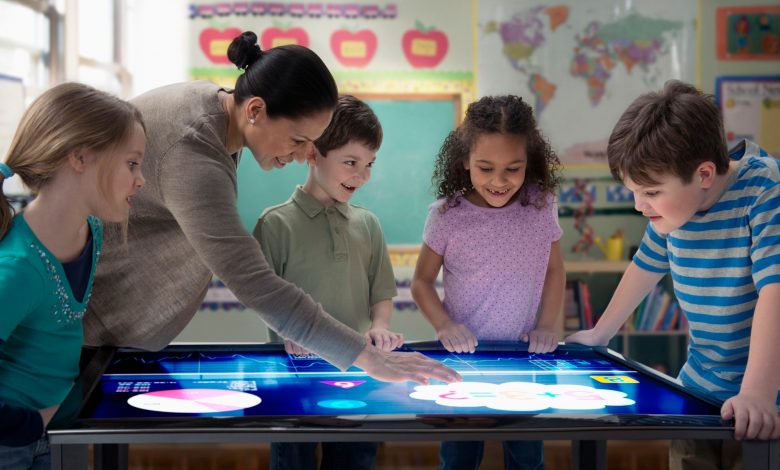
In recent years, technology has become an integral part of education, revolutionizing the way students learn and teachers instruct. Alternative schools have been at the forefront of embracing technology integration in classrooms to enhance student engagement, personalize learning experiences, and prepare students for a rapidly evolving digital world.
I had the opportunity to speak with Dr. Sarah Williams, an educational technology specialist who works closely with alternative schools to support their efforts in integrating technology effectively. Dr. Williams emphasized that successful technology integration is not just about using devices or software but about transforming teaching practices to meet the needs of diverse learners. She highlighted the importance of professional development for educators to help them leverage technology in meaningful ways.
One key aspect of effective technology integration in alternative schools is ensuring equitable access to devices and reliable internet connectivity for all students. Dr. Williams pointed out that addressing the digital divide is crucial for providing equal opportunities for learning and participation. Schools often implement initiatives such as 1:1 device programs or mobile hotspots to bridge this gap and ensure that all students can benefit from technological resources.
Another important consideration in technology integration is selecting appropriate tools and platforms that align with educational goals and curriculum standards. Dr. Williams noted that alternative schools often prioritize creativity, collaboration, and critical thinking skills when choosing technologies to incorporate into lessons. Tools such as Google Classroom, Nearpod, or interactive whiteboards are popular choices for facilitating interactive learning experiences.
Moreover, incorporating project-based learning opportunities through tech-enabled projects can foster student creativity and problem-solving abilities while promoting real-world applications of knowledge gained in class. Virtual reality simulations, coding activities, or multimedia presentations are examples of engaging projects that can deepen student understanding across various subjects.
Dr. Williams also emphasized the significance of data-driven decision-making in assessing the impact of technology integration on student outcomes. By analyzing metrics such as academic performance data, engagement levels, or feedback from assessments conducted through digital platforms, educators can refine their instructional strategies and tailor interventions to meet individual student needs more effectively.
Furthermore, involving parents and caregivers in discussions about technology use at home can strengthen the partnership between school and family support networks. Providing resources on internet safety guidelines, recommended educational apps or websites can empower families to reinforce learning outside school hours while ensuring responsible use of digital tools by students.
In conclusion, effective technology integration in alternative schooling environments requires a strategic approach that prioritizes equity, pedagogical innovation, data-informed practices,and collaborative partnerships among stakeholders.Dr.Williams’ insights underscored how intentional planning,supportive professional development,and ongoing assessment are essential components for leveraging technology’s potential to enhance teaching-learning experiences within alternative education settings
 Alternative Amie
Leave a comment