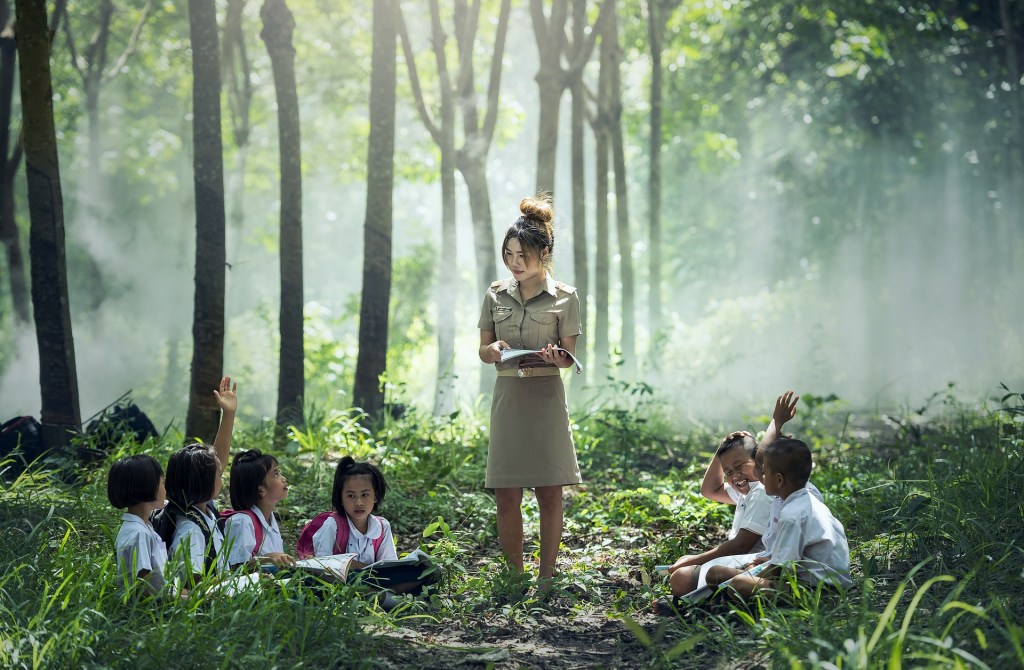
Environmental education initiatives have been gaining momentum in schools around the world, as educators and policymakers recognize the importance of teaching students about sustainability, conservation, and environmental stewardship. These initiatives aim to instill a sense of responsibility towards the planet in students from an early age, fostering a generation of environmentally conscious individuals who are equipped to address pressing environmental challenges.
One key aspect of environmental education initiatives is integrating hands-on learning experiences into the curriculum. This can take various forms, such as outdoor field trips to parks or nature reserves, where students can observe ecosystems up close and learn about local flora and fauna. By immersing themselves in nature, students develop a deeper appreciation for the environment and gain firsthand knowledge about biodiversity and ecological systems.
Another effective method is incorporating eco-friendly practices into school operations. This may include implementing recycling programs, reducing waste through composting, conserving water and energy resources, or establishing school gardens where students can grow their own fruits and vegetables. By engaging with sustainable practices on campus, students not only learn practical skills but also witness the positive impact that small actions can have on the environment.
Furthermore, environmental education initiatives often involve community partnerships to expand learning opportunities beyond the classroom. Schools may collaborate with local environmental organizations, government agencies, or businesses to provide guest lectures, workshops, or volunteer opportunities for students. These partnerships help connect classroom learning to real-world issues and empower students to become active participants in addressing environmental concerns in their communities.
In addition to hands-on experiences and community collaborations, many schools incorporate interdisciplinary approaches to teaching environmental concepts. By integrating science, geography, history, literature, art, and other subjects into lessons about the environment, educators can offer a holistic understanding of complex environmental issues. For example,
students may study historical perspectives on conservation movements,
explore literary works that highlight human-nature relationships,
conduct scientific experiments to understand ecosystem dynamics,
create art projects inspired by nature,
or analyze data on climate change impacts.
By approaching environmental education from multiple angles,
students gain a comprehensive understanding of interconnected
environmental issues while developing critical thinking skills across
different disciplines.
Moreover,integrating technology into environmental education allows
students to engage with virtual simulations,modeling tools,data analysis software,and online resources relatedto sustainability topics.These digital tools enable interactive learning experiences,such as exploring virtual ecosystems,mapping climate patterns,predicting renewable energy outputs,and collaborating with peers globallyon environmental research projects.Technology not only enhances student engagementbut also prepares them for navigating complexenvironmental challengesin our increasingly digital world.Finally,effective evaluationand assessment strategiesare essential componentsfor measuringthe impactofenvironmentaleducationinitiatives.Assessmentsmay include traditional tests,assignments,and presentations,but also project-based assessments,portfolios,self-reflection journals,rubricsfor evaluating collaborative work,and peer evaluations.These varied assessment methods allow educatorsto gauge student learning outcomes,beyond just memorizationof facts,to encompasscritical thinking,applicationof knowledge,collaboration skills,and civic engagement.By trackingstudent progressand reflectingon their own teaching practices,schoolscan continuously improveand refinetheirenvironmentaleducationprograms,to better preparestudentsas environmentally literatecitizens.Environmental educationinitiativesplaya crucial rolein shapingthe mindsetsof future generations,towardsustainability,responsibility,towardstheplanet.Theintegrationofhands-onexperiencescommunitypartnershipsinterdisciplinaryapproachesincorporatingtechnologyeffectiveassessmentmethodsallcontribute tooptimallearningoutcomesforstudents.Aswe looktowardsthefuture,it is clearthat prioritizingenvironmentaleducationisessentialforfosteringa moreconsciouscaringgenerationthatwillworktowardsprotectingandpreservingourplanetforgenerationsyetto come.
 Alternative Amie
Leave a comment