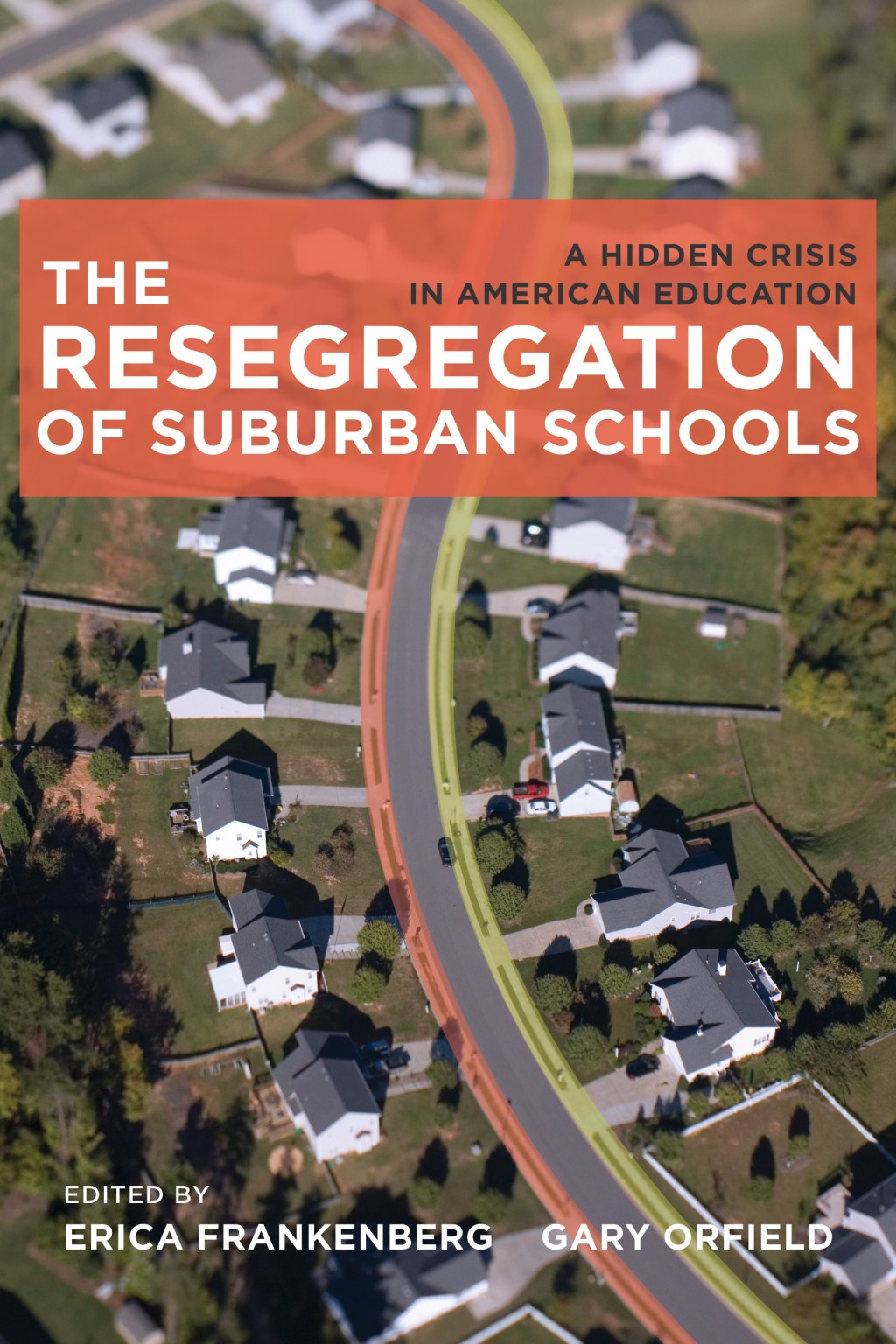
Suburban Education: A Comprehensive Overview
Suburban education refers to the schooling system in suburban areas, which are typically residential neighborhoods outside of urban centers. This style of education is known for its unique characteristics and advantages.
One notable feature of suburban education is that it often benefits from higher funding levels compared to schools in rural or urban areas. Suburbs tend to have a larger tax base, allowing them to allocate more resources towards their educational institutions. This increased funding can lead to smaller class sizes, well-equipped facilities, and a wider range of extracurricular activities.
Another advantage of suburban education is the quality of teachers. Suburban schools usually attract highly qualified educators who may be drawn by factors such as better pay scales and support systems. These teachers often possess advanced degrees and bring valuable experience into the classroom, leading to enhanced learning outcomes for students.
Moreover, suburban schools generally offer a wide variety of academic programs and extracurricular activities. Students have access to diverse sports teams, clubs, arts programs, and advanced placement courses designed to cater to their interests and talents.
However, it’s important to note that suburban education also faces some challenges. The pressure on students can be intense due to high expectations from parents and peers. Additionally, diversity can sometimes be limited in these communities; efforts must be made by schools and districts to ensure inclusivity among all students.
In conclusion, suburban education offers numerous benefits including better funding levels, highly qualified teachers, ample resources for various programs, and opportunities for individualized learning experiences. By addressing challenges such as student stress levels and fostering diversity within these communities, suburban education can continue evolving into an even more effective model for providing quality schooling experiences for all students in these areas.
 Alternative Amie
Leave a comment