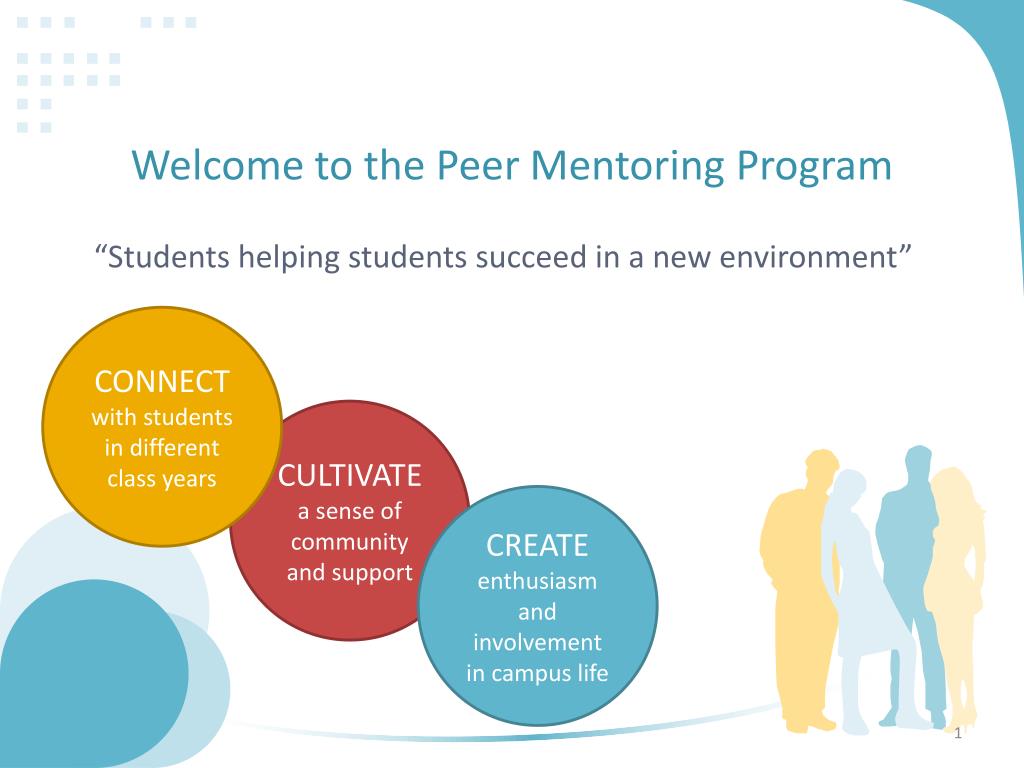
Peer mentoring is a powerful and effective approach to education that has been gaining momentum in recent years. It involves pairing students with their peers, allowing them to learn from one another through mutual support, guidance, and encouragement. This form of mentoring not only benefits mentees but also mentors themselves, creating a positive learning environment where both parties can grow academically and personally.
One of the key advantages of peer mentoring is the opportunity for personalized learning. Traditional classroom settings often struggle to cater to individual student needs due to large class sizes and limited resources. However, by incorporating peer mentoring into the educational system, students can receive tailored support from someone who understands their unique challenges and strengths.
Mentors are typically more relatable figures for mentees because they have recently experienced similar struggles themselves. As a result, they possess valuable insights into overcoming obstacles that teachers may not always be able to provide. Mentors can offer relevant advice on managing coursework, developing effective study habits, and navigating different academic pathways.
Peer mentoring also fosters the development of essential life skills such as communication, leadership, and empathy. By working closely with their peers in a mentorship relationship, both mentors and mentees enhance their ability to express ideas clearly and concisely. Mentors learn how to effectively convey complex concepts in ways that resonate with their mentees’ unique learning styles.
Furthermore, peer mentors often take on leadership roles within their school communities. They become role models for younger students who aspire to develop similar skills or achieve academic success. Through this process of guiding others toward personal growth and achievement, mentors strengthen their own abilities as leaders.
Empathy is another crucial skill honed through peer mentoring relationships. As individuals share experiences with one another—both successes and failures—they cultivate an understanding of each other’s perspectives. Empathetic connections foster a sense of belonging within schools or educational programs while reducing feelings of isolation or inadequacy among struggling students.
In addition to academic support, peer mentoring also promotes social and emotional well-being. Many students face challenges outside of the classroom that can impact their educational performance. Peer mentors serve as a source of comfort and encouragement during these difficult times, offering a safe space for mentees to discuss personal struggles or concerns.
The mentor-mentee relationship often extends beyond the confines of academics, providing valuable emotional support during transitional periods such as starting high school or preparing for college applications. Mentors can help alleviate anxiety by sharing their own experiences and offering guidance on managing stress effectively. By doing so, they contribute to the overall mental health and resilience of their fellow students.
Peer mentoring programs have also been found to improve student engagement and motivation. When students feel connected to their peers through meaningful relationships, they become more invested in their education as a whole. They are more likely to actively participate in class discussions, take ownership over their learning outcomes, and set higher academic goals.
Moreover, peer mentoring programs have shown promising results in reducing dropout rates among at-risk students. The presence of a supportive mentor who understands the unique challenges faced by these individuals helps create a sense of belonging within the school community. This leads to increased attendance rates and improved academic performance among those who may otherwise struggle with disengagement or feelings of alienation.
Another advantage lies in the diversity that peer mentoring brings into educational settings. Students from various cultural backgrounds, socioeconomic statuses, and abilities interact with one another through this program. As a result, it promotes inclusivity and fosters an appreciation for different perspectives.
By engaging in cross-cultural interactions within peer mentoring relationships, students develop cultural competence—an essential skillset needed for success in today’s globalized world. Exposure to diverse ideas enhances creativity while breaking down stereotypes or biases that may exist within traditional classroom environments.
Furthermore, research has shown that both mentors and mentees experience personal growth through participation in peer mentoring programs. Mentors gain confidence by taking on leadership roles, refining their communication skills, and developing a sense of responsibility toward others. They also develop a deeper understanding of the subject matter by teaching and explaining concepts to their mentees.
On the other hand, mentees benefit from improved self-esteem and increased motivation as they witness their own growth under the guidance of a mentor. With someone invested in their success, students are more likely to believe in their abilities and strive for excellence. This newfound confidence extends beyond academic pursuits into other areas of life as well.
It is important to note that while peer mentoring programs offer numerous benefits, they require careful planning and implementation. Training sessions should be provided for mentors to equip them with necessary skills such as active listening, effective communication strategies, conflict resolution techniques, and cultural sensitivity.
Regular check-ins or evaluations should also occur throughout the program’s lifespan to ensure that both mentors and mentees are receiving adequate support. Establishing clear boundaries within mentoring relationships is essential to maintain an appropriate balance between mentorship responsibilities and personal lives.
In conclusion, peer mentoring has emerged as a valuable approach within alternative schooling systems that offers numerous benefits for students. By fostering personalized learning experiences through relatable connections with peers, this form of mentoring enhances academic performance while promoting life skills such as communication and empathy.
Peer mentoring provides social-emotional support during challenging times outside the classroom while cultivating a sense of belonging within school communities. It improves student engagement, reduces dropout rates among at-risk individuals, promotes diversity appreciation, and contributes to personal growth for both mentors and mentees.
To fully capitalize on these benefits requires careful planning and ongoing support for participants in peer mentoring programs. When implemented effectively with proper training sessions for mentors alongside regular evaluations of the program’s progress, peer mentoring can create transformative educational experiences that empower students academically and personally.
 Alternative Amie
Leave a comment