The Reggio Emilia approach is an innovative educational philosophy that originated in the town of Reggio Emilia, Italy, after World War II. It was developed by educator Loris Malaguzzi and a group of parents who wanted to create a new kind of education for their children. Today, this approach has gained popularity worldwide and is being implemented in various educational settings, including microschools.
Microschools are small-scale learning communities that typically consist of no more than 30 students and are often operated out of homes or community spaces. These schools prioritize personalized learning experiences, individualized attention, and close-knit relationships among students and teachers. The Reggio Emilia approach aligns perfectly with the goals and values of microschools.
👉 Check it out: Shop Holistic Health Book on Amazon
At its core, the Reggio Emilia approach emphasizes the importance of collaboration, creativity, inquiry-based learning, and respect for each child’s unique interests and abilities. In a Reggio-inspired microschool setting, children have ample opportunities to explore their curiosity through hands-on projects and investigations.
👉 Check it out: Shop Essential Oils on Amazon
One key feature of the Reggio Emilia approach is the use of an emergent curriculum. Rather than following a predetermined set curriculum or syllabus, teachers in Reggio-inspired microschools listen closely to their students’ ideas and interests before designing activities that build on those interests. This approach ensures that children feel invested in their own learning journey while also fostering critical thinking skills.
Another significant aspect is the role played by documentation in a Reggio-inspired microschool environment. Teachers carefully observe each child’s development process and document their progress through photographs, videos, audio recordings, artwork displays, and written reflections. This documentation serves multiple purposes: it helps both teachers and parents understand each child’s growth; it allows students to reflect on their own work; it provides evidence for assessment purposes; it encourages communication between all stakeholders involved.
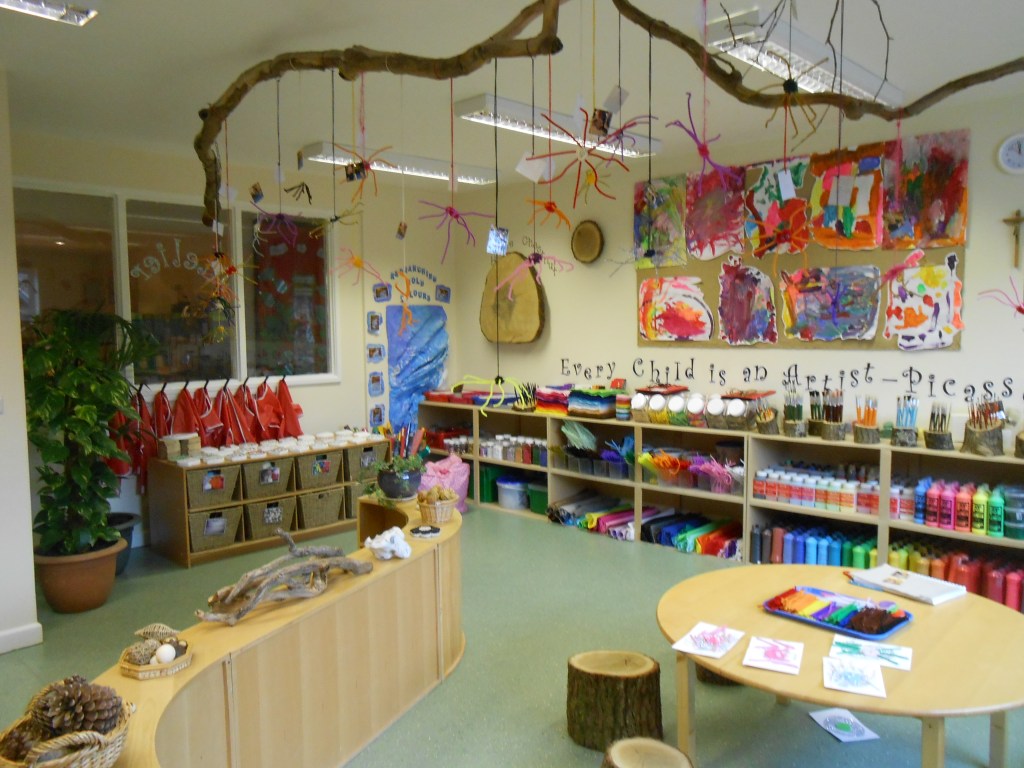
The physical environment also plays an essential role in supporting learning within a Reggio-inspired microschool. Classrooms are designed to be inviting, flexible, and aesthetically pleasing. Natural materials such as wood, plants, and soft fabrics are often incorporated into the spaces to create a warm and nurturing atmosphere. The arrangement of furniture promotes collaboration and encourages children to take ownership of their learning environment.
One unique aspect of the Reggio Emilia approach is the emphasis on the arts as a means of expression and communication. In a Reggio-inspired microschool, students have access to various art forms such as painting, sculpture, music, dance, and drama. These artistic experiences not only foster creativity but also serve as powerful tools for children to express their thoughts and emotions.
Parent involvement is highly valued in both Reggio Emilia schools and microschools. In a Reggio-inspired microschool setting, parents are seen as active participants in their child’s education journey rather than passive observers. Regular communication between teachers and parents ensures that they stay informed about their child’s progress while also providing opportunities for parents to contribute ideas or expertise based on their own skills or interests.
The Reggio Emilia approach also recognizes the importance of community engagement in education. Microschools inspired by this philosophy often seek partnerships with local organizations or individuals who can bring unique perspectives or expertise into the learning environment. This could include artists, scientists, craftsmen/women or professionals from various fields who can provide real-world experiences that enrich children’s learning.
In conclusion, the Reggio Emilia approach offers an effective framework for creating nurturing educational environments within microschools. By prioritizing collaboration, personalized learning experiences tailored to each child’s interests and abilities; inquiry-based learning; documentation; aesthetic environments; art integration; parent involvement; community engagement – educators can provide powerful educational experiences that foster curiosity, critical thinking skills while promoting holistic development among students in these small-scale settings.
🛒 Recommended Products
As an Amazon Associate, we earn from qualifying purchases.
Disclosure: This post contains Amazon affiliate links. As an Amazon Associate, we earn from qualifying purchases at no additional cost to you.
 Alternative Amie
Leave a comment