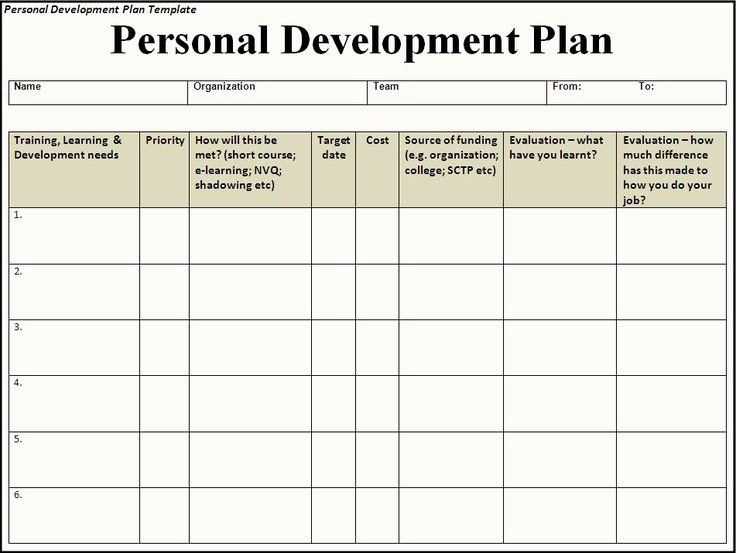
Personalized learning plans have become increasingly popular in alternative education settings as they allow students to tailor their educational experiences to meet their individual needs and interests. These plans involve creating a roadmap for each student, outlining their goals, strengths, and areas for growth. By doing so, students are empowered to take ownership of their learning journey.
One approach that aligns well with personalized learning plans is project-based learning (PBL). PBL involves engaging students in hands-on projects that require them to apply knowledge and skills to real-world situations. This approach fosters critical thinking, problem-solving, and collaboration skills while allowing students to explore topics that interest them. It also provides opportunities for self-directed learning as students take charge of their projects and make decisions about how they want to tackle them.
Another strategy that can be incorporated into personalized learning plans is gamification in education. Gamification uses game elements such as points, badges, leaderboards, and levels to engage learners and motivate them to achieve specific goals. By incorporating game-like elements into the curriculum, educators can create an immersive environment that encourages active participation and rewards progress. This approach appeals particularly well to alternative learners who may thrive in non-traditional settings where traditional methods may not work for them.
Self-directed learning strategies are essential components of personalized learning plans as they foster autonomy and independence among students. These strategies empower learners by allowing them to choose what they want to learn, how they want to learn it, and at what pace they want to progress through the material. Some effective self-directed learning strategies include setting goals, planning study schedules, seeking out resources independently (such as books or online courses), reflecting on one’s own progress regularly through journaling or self-assessment tools.
Online resources play a crucial role in supporting self-paced learning within alternative education models. The internet offers a plethora of resources ranging from video tutorials on platforms like YouTube Khan Academy Coursera Udacity EdX TED Talks and various educational websites that provide free or low-cost courses. These resources allow learners to access information anytime, anywhere, and at their own convenience, making them ideal for self-paced learning.
Individualized curriculum development is another critical element of personalized learning plans. It involves tailoring the curriculum to meet the specific needs and interests of each student. This can be achieved through a combination of traditional textbooks, online resources, project-based assignments, and experiential learning opportunities. By customizing the curriculum based on students’ strengths, weaknesses, and goals, educators can create a more engaging and relevant learning experience.
Competency-based education focuses on students mastering specific skills or competencies rather than progressing through a predetermined course sequence. In this approach, learners advance at their own pace once they demonstrate proficiency in a particular skill or concept. Competency-based education allows alternative learners to move quickly through material they already know well while spending more time on areas where they need additional support.
Blended learning approaches combine face-to-face instruction with online learning activities. This approach offers flexibility for alternative learners who may benefit from a mix of structured classroom time and self-paced online study. Blended learning also provides opportunities for individualized instruction as teachers can use technology tools to deliver personalized content based on each learner’s needs.
Adaptive learning technologies are computer-based programs that adjust the content and delivery based on an individual student’s progress and performance data. These technologies track students’ responses in real-time to identify areas where they need additional support or challenge them with more advanced material if they are excelling.
Open educational resources (OER) are freely available materials that can be used for teaching and learning purposes. OER includes textbooks, videos, lesson plans, interactive simulations/resources etc., which offer cost-effective alternatives to traditional instructional materials while providing educators with greater flexibility in designing personalized curricula.
Mastery-based grading and assessment focus on measuring students’ understanding of concepts rather than their ability to memorize facts or perform well on exams. This approach allows students to demonstrate their knowledge and skills through various means such as projects, presentations, portfolios, and performance assessments.
Learning management systems (LMS) provide a platform for organizing and delivering online courses. LMS platforms offer features like discussion forums, assignment submission portals, grade tracking systems that facilitate communication between students and instructors in alternative schooling settings.
Peer-to-peer collaboration is an essential aspect of self-paced learning environments. By engaging in collaborative activities with their peers, students can gain valuable insights from different perspectives while developing important interpersonal skills. Online platforms like Google Docs or Slack can facilitate virtual teamwork and foster meaningful collaboration even when learners are not physically present in the same location.
Scheduling and time management are crucial skills for independent learners. Alternative education models often require students to take responsibility for planning their own study schedules and managing their time effectively. Strategies such as creating a daily/weekly routine, setting specific goals for each study session, using digital calendar tools/reminders can help learners stay organized and focused on their tasks.
Differentiated instruction techniques involve tailoring instructional strategies to meet the diverse needs of individual learners in alternative education settings. Educators must consider factors such as learning styles, interests, abilities when designing lessons or assignments so that every student has an opportunity to succeed at their own pace.
Experiential learning opportunities outside the classroom provide real-world context for academic concepts by allowing students to apply what they have learned in practical situations. These experiences may include internships/apprenticeships community service projects field trips etc., which enhance engagement with the material while cultivating critical thinking problem-solving skills.
Alternative assessment methods go beyond traditional exams by evaluating student’s understanding through authentic tasks performance-based assessments portfolios presentations rather than relying solely on paper-and-pencil tests.
Social-emotional support is vital for self-paced learners who may face unique challenges such as isolation lack of motivation self-doubt anxiety stress etc. Educators must create a supportive and inclusive environment where students feel valued, supported, and connected to their peers and teachers.
Cultivating a growth mindset is crucial for alternative education models as it encourages learners to embrace challenges, persist through setbacks, and believe in their ability to improve. By promoting the idea that intelligence and abilities can be developed through effort and practice rather than being fixed traits, educators can empower students to take risks, explore new ideas, and become lifelong learners.
Building a supportive community of learners is essential in non-traditional settings where students may not have access to a traditional classroom environment or regular face-to-face interactions with peers. Online discussion forums or video conferencing platforms can facilitate communication between students while creating opportunities for collaboration sharing resources providing feedback.
Incorporating mindfulness practices into self-paced learning environments promotes focus attention emotional regulation stress reduction overall well-being among students. Techniques such as deep breathing meditation stretching exercises can help learners develop self-awareness manage distractions enhance concentration.
Utilizing technology tools enhances independent study by providing access to vast amounts of information interactive multimedia resources educational apps simulations virtual reality experiences etc. Students can use these tools to explore topics independently reinforce concepts they have learned engage with content in novel ways.
Creating engaging and interactive online courses involves incorporating multimedia elements like videos graphics animations quizzes interactive activities into the curriculum which keeps learners motivated while enhancing understanding retention of key concepts.
Promoting creativity innovation alternative schooling provides space for unconventional thinking exploration of unique interests passions fostering creativity innovative problem-solving skills among students.
Developing critical thinking skills is a core component of self-paced learning as it equips students with the ability to analyze evaluate information make reasoned judgments in real-life situations. Teachers should incorporate activities that encourage open-ended questioning analysis reflection evaluation reasoning logical argumentation into the curriculum
Addressing equity inclusivity alternative education models require careful attention ensuring that all students regardless of their background abilities are provided equal opportunities support succeed. Educators must strive to create inclusive environments that celebrate diversity provide accommodations tailored individual needs.
Balancing structure flexibility self-paced curricula is crucial for maintaining a sense of direction while allowing students to explore their interests at their own pace. While structure provides necessary guidance accountability, flexibility empowers learners to take ownership of their learning journey make choices based on their unique needs and goals.
Nurturing student autonomy agency non-traditional classrooms involves giving learners the freedom responsibility to make decisions about what they want to learn how they want to learn it. By fostering autonomy agency, educators encourage students to become active participants in their education rather than passive recipients of information.
In conclusion, alternative schooling and education models offer various strategies and approaches that can be incorporated into personalized learning plans. These include project-based learning, gamification, self-directed learning strategies, online resources for self-paced learning, individualized curriculum development, competency-based education blended learning approaches adaptive learning technologies open educational resources mastery-based grading assessment peer-to-peer collaboration scheduling time management differentiated instruction experiential outside-the-classroom activities alternative assessment methods social-emotional support growth mindset building supportive communities mindfulness practices technology tools engaging interactive courses promoting creativity innovation critical thinking skills equity inclusivity balancing structure flexibility nurturing student autonomy agency. By integrating these elements effectively into alternative education settings, educators can create a vibrant and meaningful learning experience for all students.
 Alternative Amie
Leave a comment