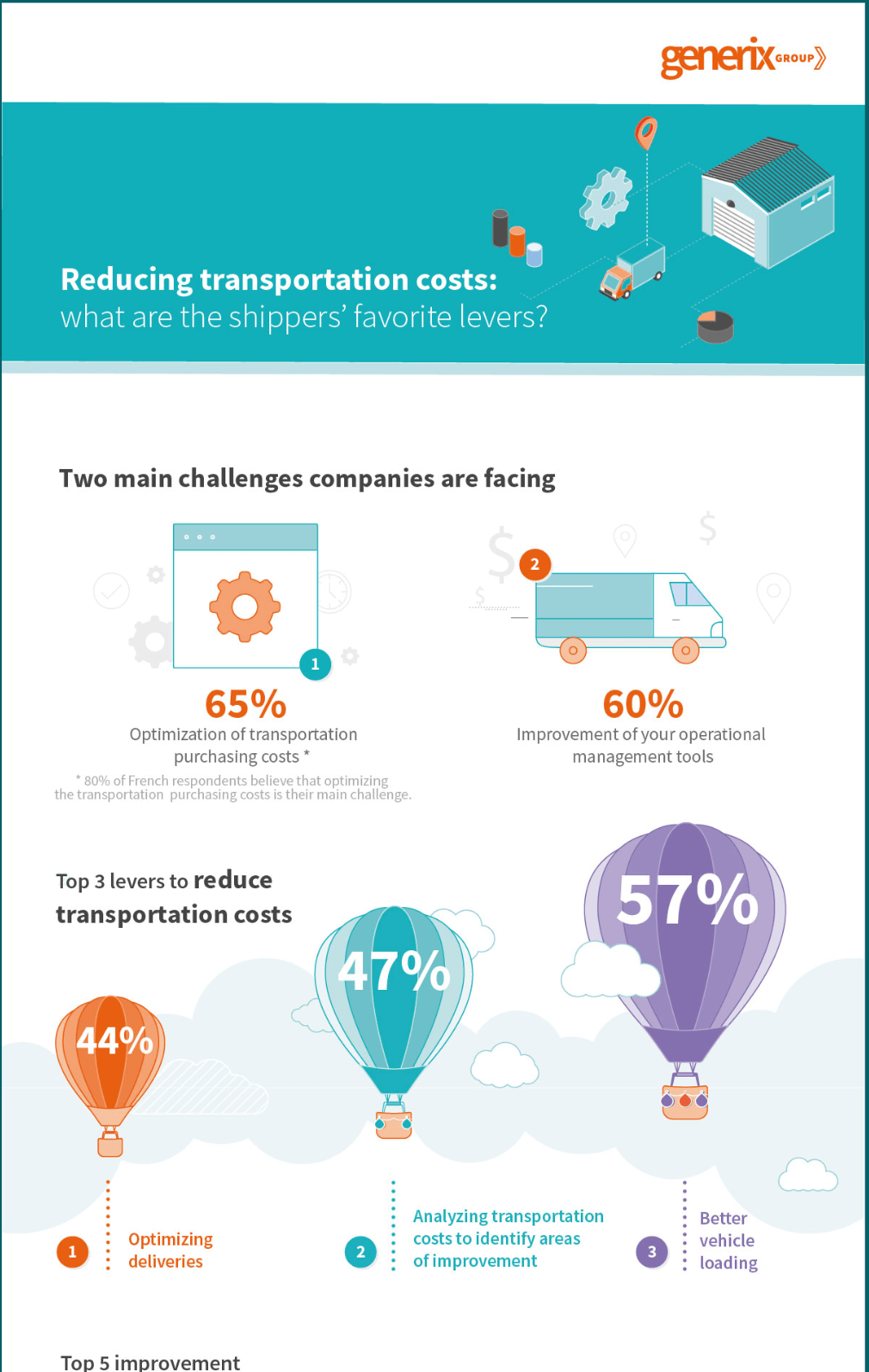
Transportation is a vital aspect of our daily lives. From commuting to work or school, running errands, or traveling long distances, we rely on various modes of transportation to get us from point A to point B. However, the cost of transportation can sometimes be a significant financial burden. In this post, we will explore different aspects of transportation costs and discuss strategies for managing them effectively.
One major factor that contributes to the cost of transportation is fuel expenses. Whether you own a car or use public transport, the price of fuel directly affects your budget. To reduce these costs, consider carpooling with colleagues or friends who have similar commutes. Sharing rides not only saves money but also reduces traffic congestion and lowers carbon emissions.
If you rely on public transportation, it’s essential to plan your routes efficiently. Research different ticket options such as monthly passes or discounted fares for students or seniors. Additionally, familiarize yourself with local bus and train schedules to avoid unnecessary waiting times.
Another expense associated with transportation is vehicle maintenance and repairs. Regularly servicing your car can help prevent costly breakdowns in the future and prolong its lifespan. Consider learning basic maintenance skills like changing oil, replacing filters, and checking tire pressure so that you can save money by performing these tasks yourself.
For those living in urban areas where parking fees are common, it’s crucial to find alternative parking solutions that won’t break the bank. Look for free street parking spots near your destination or consider renting a space in a nearby garage at a lower rate than official parking lots.
When planning longer trips outside your city or country borders, comparing prices between different modes of transport is essential for finding the most affordable option. Websites and apps like Skyscanner and Rome2rio allow you to compare flight prices across multiple airlines while services like BlaBlaCar provide ride-sharing opportunities for intercity travel at reduced rates compared to traditional taxis or rental cars.
Lastly, consider alternative modes of transportation that are environmentally friendly and cost-effective. Cycling or walking short distances not only saves money but also promotes a healthier lifestyle. Electric scooters or bicycles can also be an eco-friendly option for commuting in urban areas.
In conclusion, managing the cost of transportation involves careful planning and making informed choices. By implementing strategies such as carpooling, using public transport efficiently, maintaining your vehicle regularly, finding affordable parking solutions, comparing prices for long-distance travel, and exploring alternative modes of transportation, you can reduce your expenses significantly while still meeting your daily commuting needs.
 Alternative Amie
Leave a comment