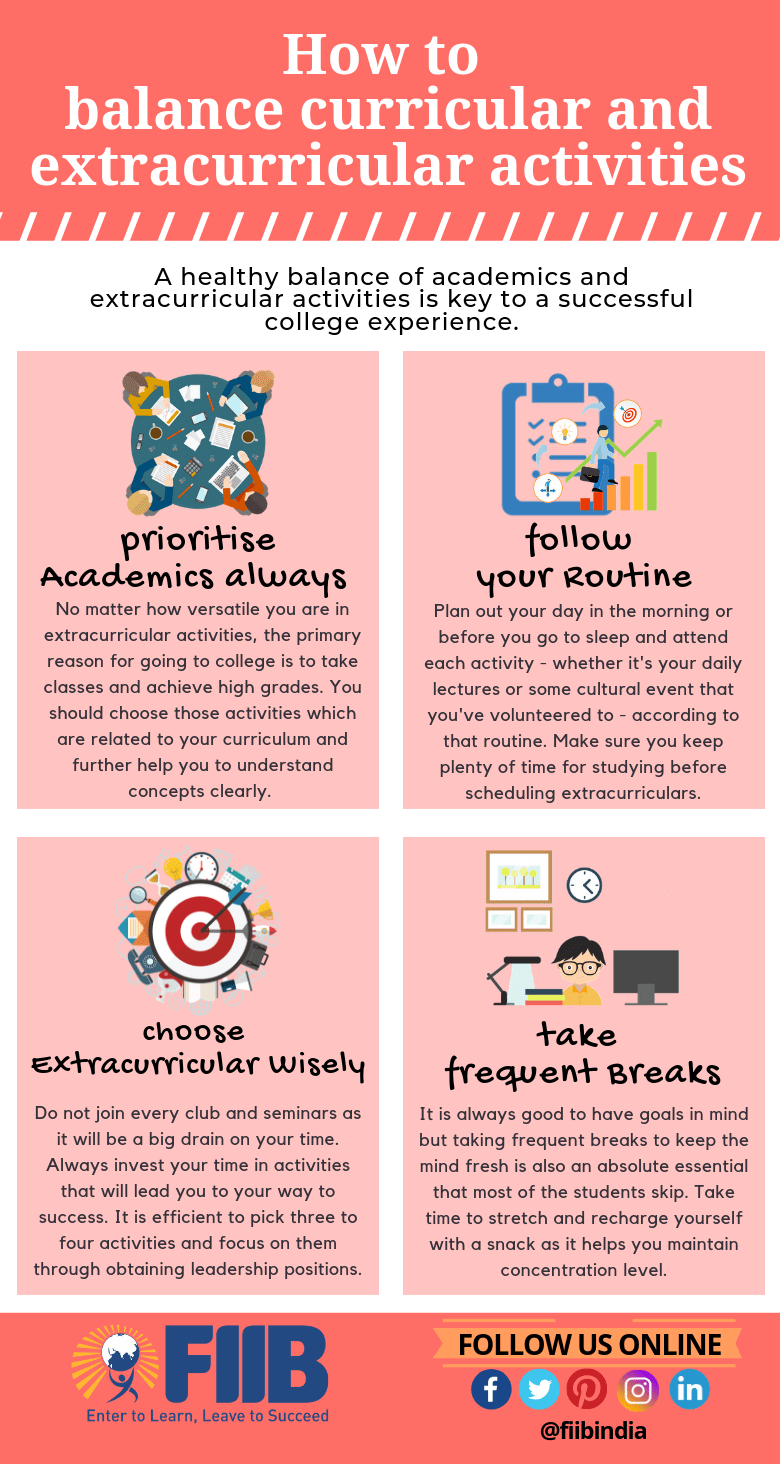
Balancing Academics and Extracurricular Activities in Homeschooling: A Delicate Dance
In the realm of homeschooling, parents often find themselves wearing multiple hats. Not only are they responsible for their child’s academic progress, but they also play the role of teacher, mentor, and even extracurricular activity coordinator. While juggling these various roles can be challenging, it is crucial to strike a balance between academics and extracurricular activities to ensure a well-rounded education for our homeschooled students.
As homeschoolers, we have the unique advantage of customizing our children’s education according to their individual needs and interests. This flexibility allows us to incorporate a wide range of extracurricular activities into their daily routines. From music lessons to sports teams or community service projects – the options are endless! However, finding equilibrium between these activities and core academics is key.
First and foremost, establishing clear goals for both academics and extracurriculars will help guide your planning process. Sit down with your child and discuss their educational aspirations as well as their passions outside of traditional subjects. Encourage them to set measurable objectives that align with both realms – whether it’s acing math tests while perfecting piano skills or excelling in science experiments alongside participating in local theater productions.
Once goals are defined, it’s time to create a schedule that allows ample time for both academic studies and extracurricular pursuits. Remember that each family operates uniquely; what works for one may not work for another. Some families prefer morning-focused academic sessions followed by afternoon activities, while others opt for alternating days or week-long blocks dedicated solely to one area before switching gears.
The beauty of homeschooling lies in its adaptability – so don’t shy away from experimenting until you find the optimal routine that suits your family dynamics best. Flexibility is key when managing multiple commitments simultaneously.
To successfully navigate this balancing act without sacrificing quality, it is essential to prioritize academics. Core subjects such as math, science, language arts, and history should remain the foundation of your child’s education. While extracurricular activities offer valuable learning opportunities, they should not overshadow the importance of a well-rounded academic curriculum.
One strategy to ensure that academics remain at the forefront is to integrate extracurricular activities into their educational experience. For instance, if your child has a passion for music, explore ways to incorporate music theory or composition exercises into their daily schedule. This way, they can pursue their interests while simultaneously reinforcing important academic concepts.
As homeschooling parents strive to strike this delicate balance between academics and extracurriculars, it is crucial to also consider each child’s unique needs and abilities. Take time to assess how much time your child requires for certain subjects or specific projects – some may need more guidance in mathematics while others may excel in creative writing without much assistance.
Remember that homeschooling allows you the freedom to tailor instruction based on individual strengths and weaknesses. If an extracurricular activity becomes too demanding or starts impeding academic progress significantly, be open to reassessing priorities and making necessary adjustments accordingly.
Furthermore, engaging children in the decision-making process can foster autonomy and self-discipline. Encourage them to take ownership of their education by allowing them input when creating schedules or choosing which extracurricular activities they want to pursue. This collaboration ensures that both academics and extracurriculars align with their passions while providing valuable life skills like time management and responsibility.
While balancing academics with extracurricular activities can sometimes feel overwhelming as a homeschool parent, it’s important not to overlook the benefits these additional pursuits bring. Extracurriculars expose children to new experiences, develop social skills through interaction with peers outside solely academic settings, enhance creativity through artistic endeavors – all contributing positively toward holistic development.
Extracurricular activities also provide an avenue for children to explore potential career paths or discover hidden talents. By supporting their interests outside of core academics, we allow them to develop well-rounded personalities and foster a love for lifelong learning.
However, it’s vital not to fall into the trap of overscheduling. Remember that downtime is equally essential for mental and emotional well-being. Allow your child ample time to relax, pursue personal hobbies, and simply be kids. This will help prevent burnout and ensure they have enough energy and enthusiasm for both academics and extracurriculars.
In conclusion, balancing academics with extracurricular activities in homeschooling requires careful planning, open communication with your child, flexibility in scheduling, prioritization of core subjects while integrating passion-driven pursuits, and considering each child’s unique needs. Striking this delicate dance ensures a well-rounded education that fosters growth academically as well as socially and emotionally.
As homeschoolers, we have the privilege of offering our children an education tailored specifically to their strengths and interests. Let us seize this opportunity by creating a balanced environment where academic excellence goes hand-in-hand with exploration of passions beyond textbooks – ultimately preparing our children for success in all areas of life.
 Alternative Amie
Leave a comment