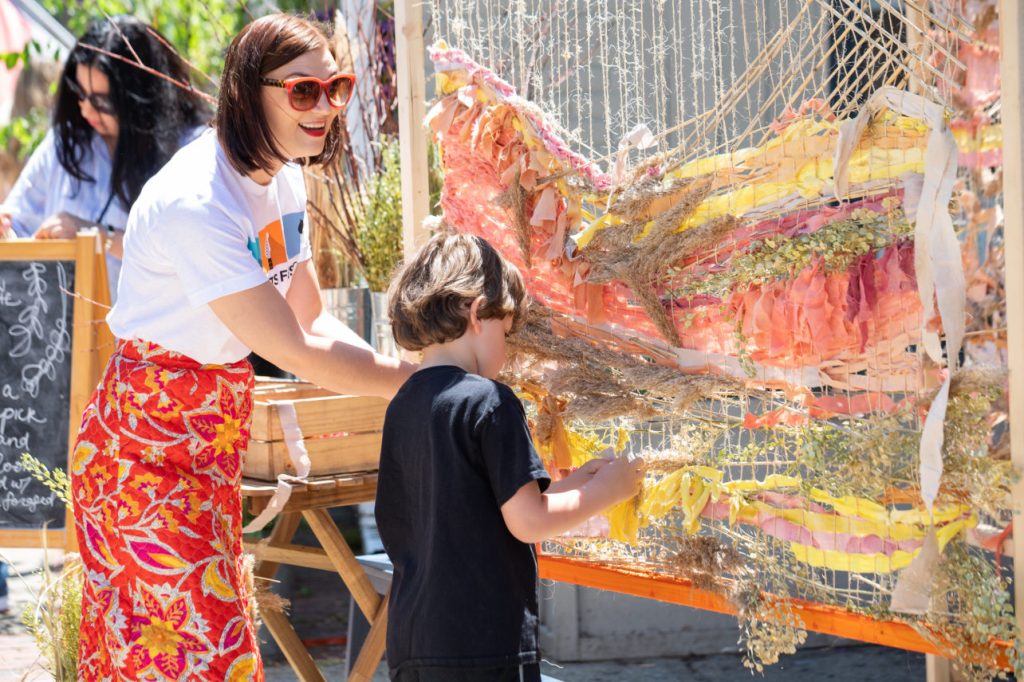
Community-based art installations are a powerful way to engage and inspire people of all ages. These projects bring together individuals from diverse backgrounds, fostering a sense of ownership and pride in the local community. They encourage collaboration, creativity, and active participation, making them an excellent tool for alternative schooling and education. In this Q&A style post, we will explore the benefits of community-based art installations and how they can be integrated into educational settings.
Q: What exactly are community-based art installations?
A: Community-based art installations are artworks that involve the active participation of community members in their creation. Unlike traditional forms of art that may be created by individual artists or small groups, these projects aim to engage a larger segment of the population. They often take the form of murals, sculptures, or interactive displays placed in public spaces such as parks or schools.
Q: How do community-based art installations benefit education?
A: Community-based art installations offer numerous educational benefits. Firstly, they provide hands-on learning opportunities where students can actively participate in various stages of project development – from brainstorming ideas to executing them. This fosters creativity, critical thinking skills, problem-solving abilities, and teamwork.
Furthermore, these projects create an authentic connection between students and their surrounding environment. By engaging with their local community through artistic expression, students gain a deeper understanding of social issues relevant to their area while developing empathy for others’ perspectives.
Q: Can you give examples of successful community-based art installations?
A: Certainly! One notable example is “The Inside Out Project” initiated by French artist JR. It invites communities worldwide to share personal stories through large-scale black-and-white portraits displayed in public spaces. This installation has been implemented globally across schools and other institutions as a means to foster dialogue around identity and diversity.
Another inspiring project is the “Wheatpaste Project” led by artist Tatyana Fazlalizadeh who creates life-sized wheatpaste portraits of women and girls from marginalized communities. These artworks aim to challenge stereotypes, promote inclusivity, and empower those depicted.
Q: How can educators integrate community-based art installations into alternative schooling?
A: Educators can incorporate community-based art installations into alternative schooling in various ways. They can collaborate with local artists or organizations to design projects that align with the curriculum’s objectives. For example, a history class could create an installation depicting important events or figures from the local community’s past.
Additionally, teachers can use these installations as prompts for discussions and creative writing exercises. Students could analyze the symbolism behind each piece or write narratives inspired by them. This interdisciplinary approach allows students to engage with different subjects while deepening their understanding of art and its role in society.
Q: What are some challenges involved in implementing community-based art installations?
A: Implementing community-based art installations may involve logistical challenges such as securing funding, obtaining permits for public spaces, or coordinating schedules between schools and artists. It is crucial to identify capable partners who have experience working on similar projects and navigating these obstacles successfully.
Furthermore, ensuring that all voices within the community feel represented and heard is essential. Adequate representation helps build trust among participants and fosters a sense of ownership over the artwork itself.
In conclusion, community-based art installations provide unique opportunities for engagement, learning, and personal growth within educational contexts. By integrating these projects into alternative schooling practices, educators can nurture creativity while fostering connections between students and their communities – ultimately creating vibrant learning environments where everyone’s voice is valued.
 Alternative Amie
Leave a comment