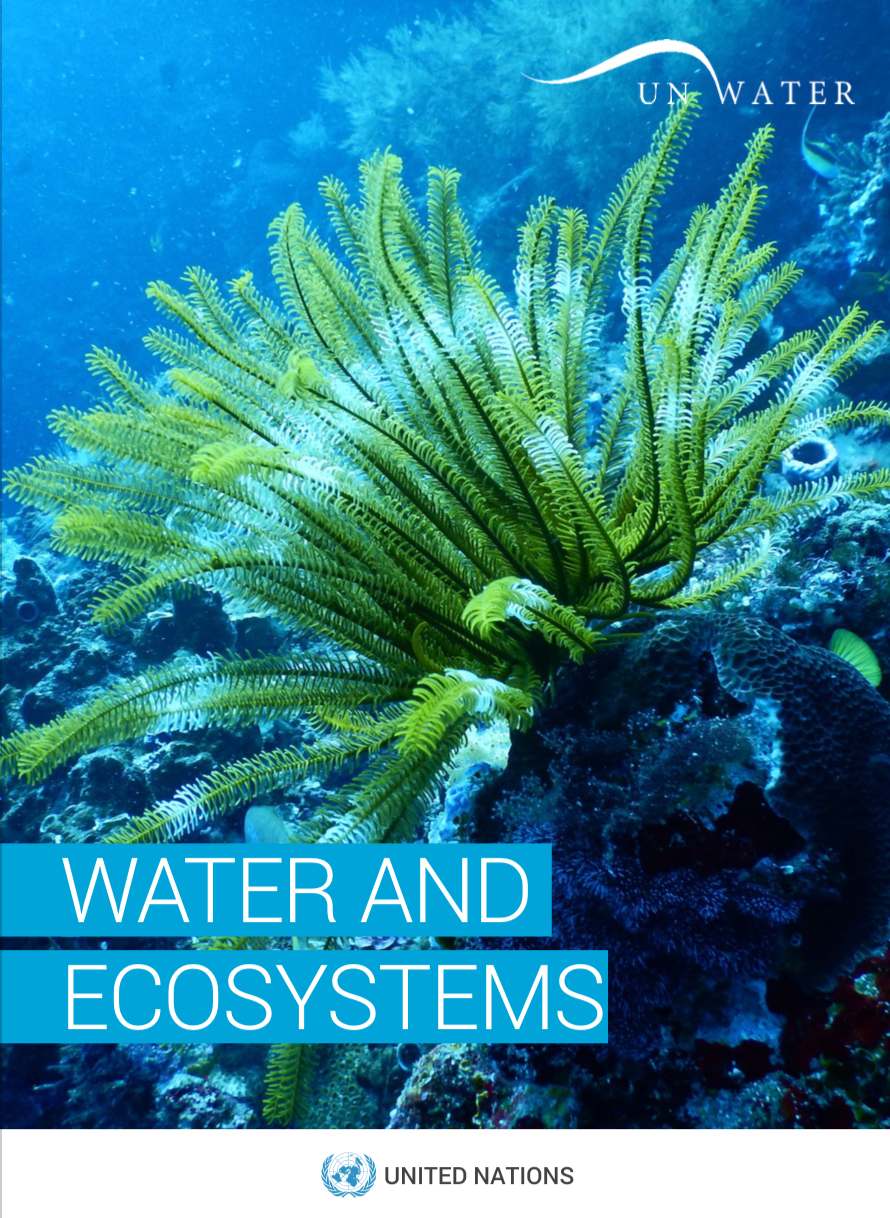
Water Bodies and Ecosystems: Exploring the Wonders of Our Planet
Our planet is home to a vast array of water bodies, each with its own unique ecosystem. From serene lakes to rushing rivers, from sprawling oceans to teeming wetlands, these water bodies play a vital role in sustaining life on Earth. In this article, we will embark on an enlightening journey into the world of water and explore the fascinating ecosystems that thrive within them.
Let’s start our exploration with lakes. Lakes are large bodies of freshwater surrounded by land. They provide habitat for countless species of plants and animals. These ecosystems are characterized by distinct zones such as littoral (shallow nearshore), limnetic (open-water), and profundal (deepwater) zones. Each zone supports different organisms depending on factors like sunlight penetration, temperature, and nutrient availability.
Moving along, rivers are dynamic systems that flow through various landscapes, shaping the surrounding environment as they go. Rivers support diverse ecosystems known as riparian zones. These areas alongside riverbanks boast rich biodiversity due to their constant access to water and nutrients carried downstream by the flowing current.
Now let’s turn our attention towards oceans, which cover about 70% of our planet’s surface. Oceans harbor an incredible variety of life forms ranging from microscopic plankton to massive whales roaming their depths. The ocean ecosystem is divided into several layers or zones based on light penetration: the euphotic zone (sunlit upper layer), disphotic zone (dimly lit middle layer), and aphotic zone (dark deep-sea regions). Each zone hosts specific marine species adapted to its unique conditions.
Wetlands are another essential type of water body that deserves our attention. Wetlands act as natural filters for pollutants while providing critical habitats for numerous plant and animal species. With their characteristic mixtures of shallow waters, marshes, swamps, and bogs – wetlands offer a refuge for migratory birds, amphibians, reptiles, and countless other organisms.
These various water bodies and ecosystems are interconnected, creating a delicate balance that sustains life on Earth. For example, rivers carry nutrients from inland areas to the ocean, providing nourishment for marine creatures. Similarly, wetlands act as nurseries for many fish species before they venture into larger water bodies.
Unfortunately, human activities pose significant threats to these fragile ecosystems. Pollution from industrial waste and agricultural runoff can contaminate water bodies, leading to devastating consequences for the plants and animals living within them. Climate change also plays a role in altering these ecosystems by impacting water temperatures and sea levels.
Thankfully, efforts are being made worldwide to protect and restore these vital habitats. Conservation organizations work tirelessly to raise awareness about the importance of preserving our water bodies and their unique ecosystems. By reducing pollution, implementing sustainable fishing practices, and promoting responsible tourism near these areas – we can ensure their longevity for future generations.
In conclusion, our planet’s water bodies provide us with much more than just picturesque landscapes; they host intricate ecosystems teeming with life. From lakes to rivers, oceans to wetlands – each type of water body supports its own diverse range of flora and fauna. It is crucial that we appreciate the beauty of these environments while taking steps to preserve them for generations yet unborn.
 Alternative Amie
Leave a comment