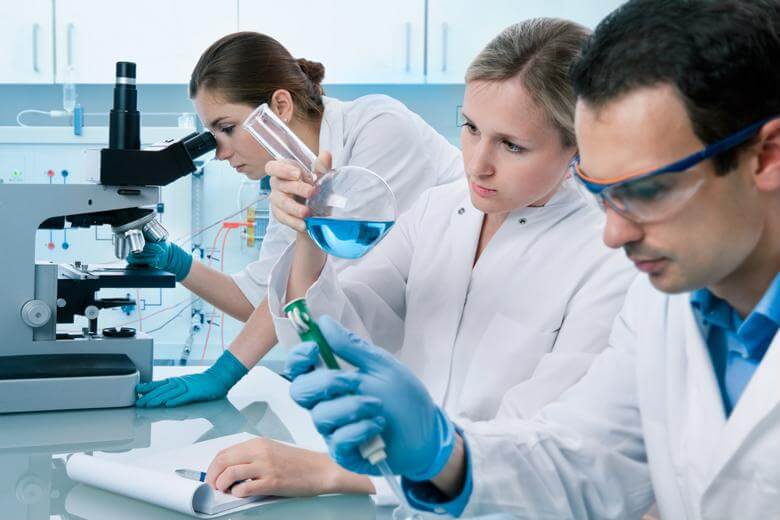
Bioengineering and biomedical sciences have emerged as revolutionary fields in the world of science. These disciplines combine biology, engineering, and medicine to develop innovative solutions for a wide range of medical challenges. With their potential to improve human health and enhance our understanding of biological processes, bioengineering and biomedical sciences are attracting increasing attention from students seeking alternative educational paths.
One key aspect of bioengineering is its focus on developing new technologies that can be applied to healthcare. This includes the design and fabrication of medical devices such as prosthetics, implants, and diagnostic tools. Bioengineers utilize their knowledge of both biology and engineering principles to create these cutting-edge devices that can greatly improve the quality of life for patients with disabilities or chronic conditions.
Another area where bioengineering is making significant strides is tissue engineering. Scientists are working towards creating functional tissues in the lab using a combination of cells, biomaterials, growth factors, and other biochemical cues. This field holds immense potential for regenerative medicine by offering alternatives to traditional transplantation methods. By growing organs or tissues tailored to individual patients’ needs, scientists aim to overcome issues related to organ shortage and rejection.
Biomedical sciences complement bioengineering by focusing on understanding how diseases develop at the molecular level. Researchers in this field study various aspects including genetics, cellular processes, immunology, and pharmacology with an emphasis on finding effective treatments for diseases like cancer or neurodegenerative disorders. The knowledge gained from biomedical research helps inform bioengineers about specific targets they need to address when designing therapeutic interventions.
Moreover, advances in genomics have opened up new avenues for personalized medicine – an approach that tailors medical treatment according to an individual’s genetic makeup. Biomedical scientists play a crucial role in deciphering genomic data through techniques such as next-generation sequencing (NGS) which provide insights into disease susceptibility or drug response variability among different individuals.
The interdisciplinary nature of bioengineering and biomedical sciences makes them ideal subjects for alternative education. Traditional educational programs often compartmentalize knowledge into separate disciplines, limiting students’ ability to approach complex problems from multiple angles. Alternative schooling and education systems, on the other hand, foster creativity and critical thinking by encouraging students to explore connections between different fields.
By embracing a multidisciplinary approach in bioengineering and biomedical sciences education, aspiring scientists can develop a broader skill set that will enable them to tackle real-world challenges more effectively. Skills such as problem-solving, teamwork, communication, and ethics are essential for success in these fields where collaboration among experts from diverse backgrounds is crucial.
Alternative learning platforms can provide unique opportunities for hands-on experiences through internships or research projects with industry professionals or academic institutions. These experiences not only supplement theoretical knowledge but also allow students to gain practical skills that are highly valued in the job market.
In conclusion, bioengineering and biomedical sciences offer promising career paths for individuals interested in cutting-edge medical technologies and scientific breakthroughs. The interdisciplinary nature of these fields makes them well-suited for alternative schooling and education where students can explore connections between biology, engineering, medicine, genetics, and more. By preparing future scientists with a broad skill set and providing hands-on experiences within these areas of study through alternative educational methods like internships or research projects, we can further accelerate advancements in healthcare technology while nurturing the next generation of innovators.
 Alternative Amie
Leave a comment