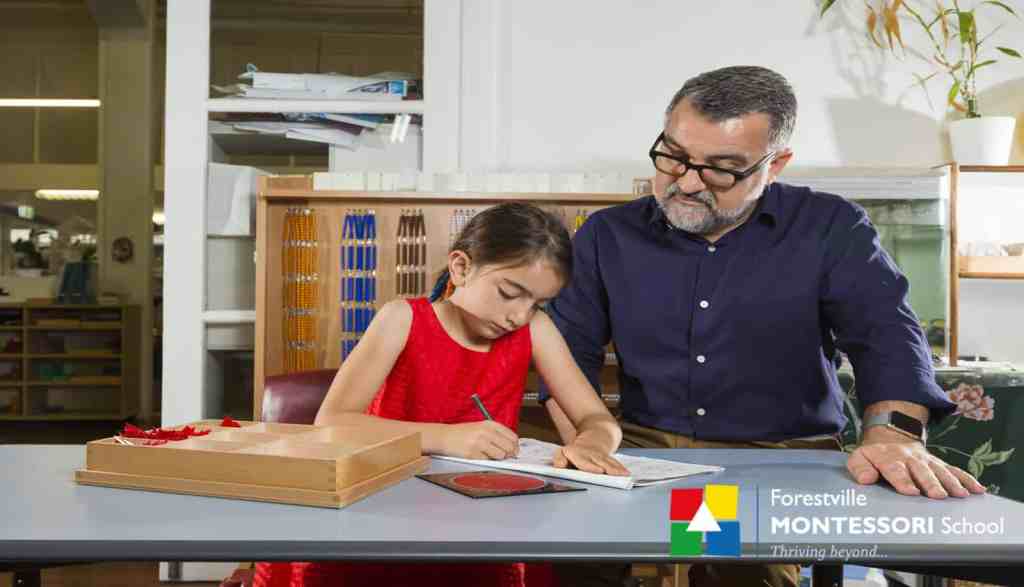
The Role of the Montessori Teacher
Montessori education is a unique and alternative approach to schooling that focuses on child-centered learning and development. At the heart of this educational philosophy is the Montessori teacher, who plays a crucial role in creating an environment that fosters independence, creativity, and a love for learning.
Unlike traditional classrooms, where teachers are considered authority figures imparting knowledge onto students, Montessori teachers act as guides or facilitators. They work hand in hand with children, encouraging them to explore their interests and discover their own potential. This article will delve into the role of the Montessori teacher and highlight some key aspects of their responsibilities within this educational framework.
Firstly, it’s important to understand that Montessori teachers undergo specialized training to effectively implement Maria Montessori’s teaching methods. They gain insights into child psychology, observation techniques, lesson planning strategies, and classroom management skills tailored specifically for the Montessori environment. Armed with this knowledge, they create an atmosphere conducive to individual growth and self-directed learning.
One of the primary roles of a Montessori teacher is to observe each child carefully. Through keen observation skills developed during training, they can identify each student’s strengths, weaknesses, interests, and learning styles. By doing so, they tailor their instruction according to each child’s needs instead of adopting a one-size-fits-all approach.
Montessori teachers also play an essential role in maintaining order within the classroom while allowing freedom for exploration. They set clear boundaries and establish ground rules that foster respect for oneself and others. Children are encouraged to take responsibility for their actions by engaging in problem-solving discussions rather than being reprimanded or punished outright.
In addition to maintaining discipline through guidance rather than authoritarian control measures like rewards or punishments often used in traditional settings; Montessori teachers scaffold children’s learning experiences based on individual progress levels. They introduce new materials or concepts when a child is ready for them, ensuring that the learning process remains engaging and challenging.
Another crucial aspect of a Montessori teacher’s role is to create an environment rich in stimulating materials. The classroom is carefully prepared with age-appropriate materials that encourage exploration, problem-solving, and hands-on learning. These materials are designed to be self-correcting, allowing children to learn from their mistakes independently. The teacher’s role here is to introduce new materials gradually and provide guidance as needed.
Unlike traditional classrooms where teachers are often at the front of the room delivering lectures or lessons, Montessori teachers spend much of their time working individually or in small groups with students. They act as facilitators by providing guidance when necessary but allowing children to take ownership of their learning. This approach promotes independence, critical thinking skills, and self-motivation among students.
Furthermore, Montessori teachers foster a sense of community within the classroom by encouraging collaboration and peer interaction. Students are encouraged to help each other during tasks or activities, fostering a cooperative atmosphere rather than one based on competition or comparison. Through this collaborative mindset, children develop empathy and respect for others while building strong social skills.
Additionally, parents play an integral part in the Montessori education journey. Montessori teachers maintain regular communication with parents through meetings or conferences to discuss each child’s progress and development areas. They also provide insights into how parents can support their child’s learning at home using Montessori principles.
Lastly, it is important to note that the role of a Montessori teacher extends beyond academics; they aim for holistic development encompassing cognitive growth alongside emotional intelligence and social skills development. By nurturing a love for lifelong learning while instilling values such as kindness, responsibility, and environmental awareness; these educators empower children not just academically but also emotionally and morally.
In conclusion, the role of a Montessori teacher goes far beyond conventional teaching practices seen in traditional classrooms. They act as guides, observers, facilitators, and collaborators to create an environment that fosters independence, curiosity, and a love for learning. By embracing the Montessori philosophy and implementing its principles effectively, these educators play a vital role in laying the foundation for children’s lifelong success and fulfillment.
 Alternative Amie
Leave a comment