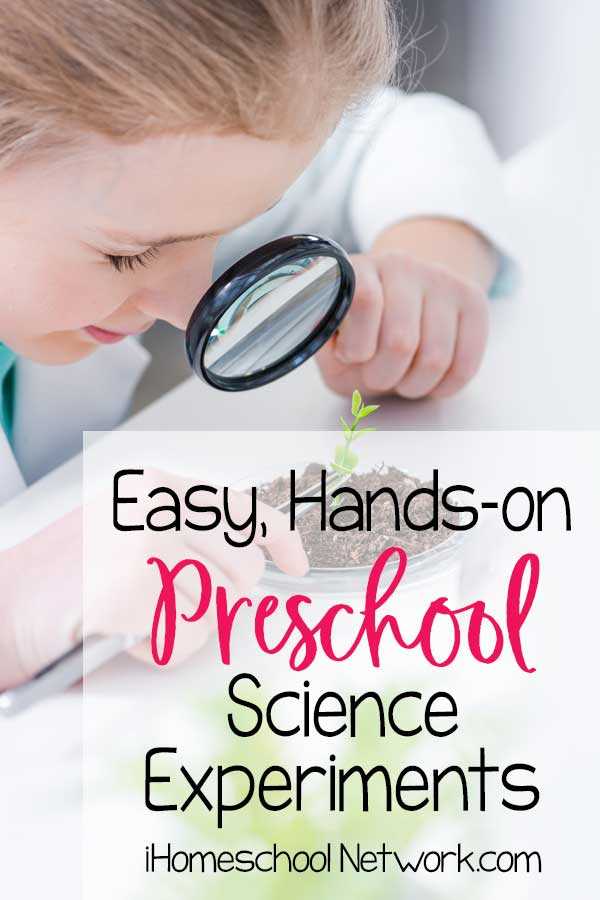
Science Experiments and Observation: A Journey of Curiosity and Discovery
Education is often seen as a structured process where knowledge is imparted through textbooks, lectures, and exams. However, alternative schooling approaches recognize that learning can extend beyond the confines of traditional classrooms. One such approach that fosters curiosity, critical thinking, and hands-on learning is through science experiments and observation.
Science experiments are an integral part of education as they provide students with the opportunity to explore the world around them in a tangible way. By conducting experiments, students can observe phenomena firsthand, make predictions based on their observations, test hypotheses, analyze data, draw conclusions – all while developing essential scientific skills.
One key aspect of science experiments is observation. Careful observation allows students to collect accurate data and notice patterns or relationships between variables. It encourages them to engage their senses fully – seeing, hearing, smelling, touching – to gather information about the natural world.
Observation-based learning promotes active participation rather than passive absorption of facts from textbooks or lectures. When students actively participate in gathering data through observation, they become more invested in their own learning journey.
There are numerous ways educators can incorporate science experiments into their teaching strategies:
1. The Scientific Method:
The scientific method provides a systematic framework for conducting experiments. It involves several steps including making observations; asking questions; formulating hypotheses; designing and carrying out experiments; collecting and analyzing data; drawing conclusions; communicating results.
By following this process during science experiments, students not only learn how scientists think but also develop critical thinking skills necessary for problem-solving in various domains.
2. Inquiry-Based Learning:
Inquiry-based learning puts emphasis on student-driven investigations rather than teacher-led instruction. Students propose questions or problems related to a specific topic and then design experiments to find answers or solutions independently.
For instance, if studying photosynthesis in plants becomes an inquiry-based project for students who love gardening or nature studies at an alternative school setting, they may ask questions like “What factors affect the rate of photosynthesis in plants?” or “How does light intensity impact plant growth?” They will then design experiments to test their hypotheses and analyze the results.
3. Citizen Science:
Citizen science projects allow students to contribute to ongoing scientific research while learning about a specific topic. These projects often involve collaboration between scientists and non-professionals who collect data for scientific studies.
Participating in citizen science projects provides an authentic context for students’ learning experiences, as they actively engage in real-world research efforts. Examples of such projects include monitoring bird populations, tracking weather patterns, or collecting water quality data from local streams.
4. Field Trips and Outdoor Experiments:
Taking science outside the classroom allows students to experience firsthand how scientific concepts apply to the natural world around them. Whether it’s exploring ecosystems, observing geological formations, or studying wildlife behavior, field trips provide valuable opportunities for hands-on learning.
Outdoor experiments also encourage creativity and critical thinking as students adapt their plans based on environmental conditions or unexpected observations. For example, examining soil samples from different locations during a nature hike can lead to discussions about soil composition and its impact on plant growth.
5. Collaboration and Communication:
Science experiments often involve group work where students collaborate with peers to plan, execute, and analyze their investigations together. This collaborative approach nurtures not only teamwork skills but also effective communication skills – both written and oral – as students share their findings with others.
Collaboration also mirrors real-world scientific research where scientists often work together on complex projects that require diverse expertise. By engaging in collaborative experimentation, students learn how different perspectives contribute to problem-solving processes effectively.
In conclusion, incorporating science experiments and observation into alternative schooling environments offers immense benefits beyond traditional teaching methods alone. By actively engaging in hands-on exploration through experimentation and observation-based learning approaches like inquiry-based projects or citizen science initiatives, learners develop critical thinking skills while fostering a deeper understanding of scientific concepts.
Science experiments also provide opportunities for collaboration, effective communication, and outdoor learning experiences. By engaging in these alternative approaches, students become active participants in their education, nurturing curiosity and igniting a passion for lifelong learning.
 Alternative Amie
Leave a comment