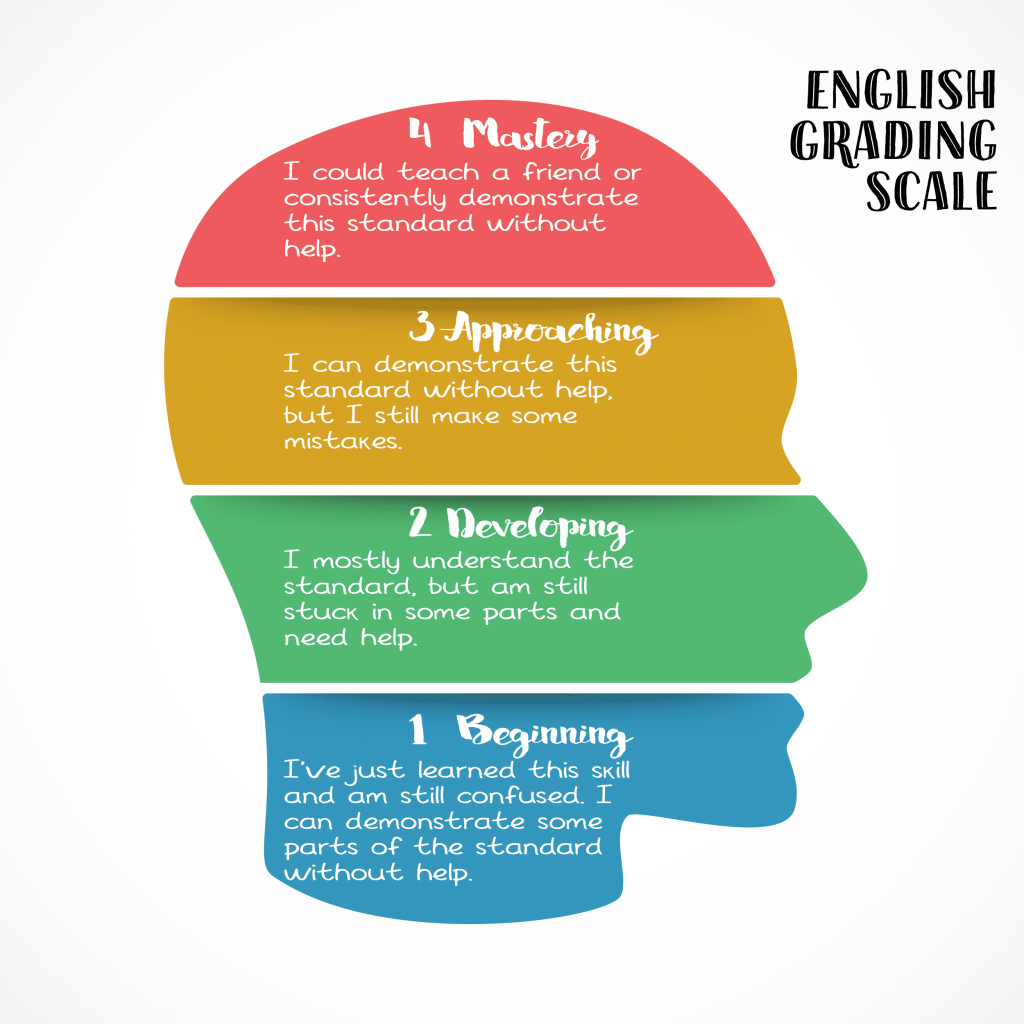
Standards-based grading is a modern approach to evaluating student progress that focuses on measuring mastery of specific learning standards. Unlike traditional grading systems that rely heavily on averaging scores and assigning letter grades, standards-based grading provides a more comprehensive and accurate representation of a student’s knowledge and skills.
One of the key features of standards-based grading is the use of clear learning targets or standards for each subject area. These targets outline what students are expected to know and be able to do at each grade level. Teachers assess student performance based on these specific standards, providing targeted feedback and guidance for improvement.
Another important aspect of standards-based grading is the emphasis on growth and progress over time. Instead of penalizing students for early mistakes or low scores, this method encourages continuous learning by allowing students multiple opportunities to demonstrate their understanding and improve their skills. Students are given timely feedback on their strengths and areas for development, helping them understand where they stand in relation to the learning targets.
In addition, standards-based grading promotes transparency in assessment by clearly communicating what students have learned and can do. Rather than relying solely on numerical grades or percentages, teachers provide detailed feedback using rubrics or descriptors aligned with the learning targets. This helps both students and parents gain a deeper understanding of where improvements can be made.
Moreover, this approach also supports personalized instruction as it allows teachers to tailor their teaching strategies based on individual student needs. By focusing on specific learning targets, educators can identify gaps in knowledge or misconceptions early on and address them promptly.
Overall, standards-based grading offers a more accurate reflection of student achievement by assessing mastery rather than compliance with arbitrary rules like homework completion or behavior management. It values growth mindset, emphasizes skill development over memorization, promotes self-reflection among students while fostering an environment conducive to ongoing improvement.
 Alternative Amie
Leave a comment