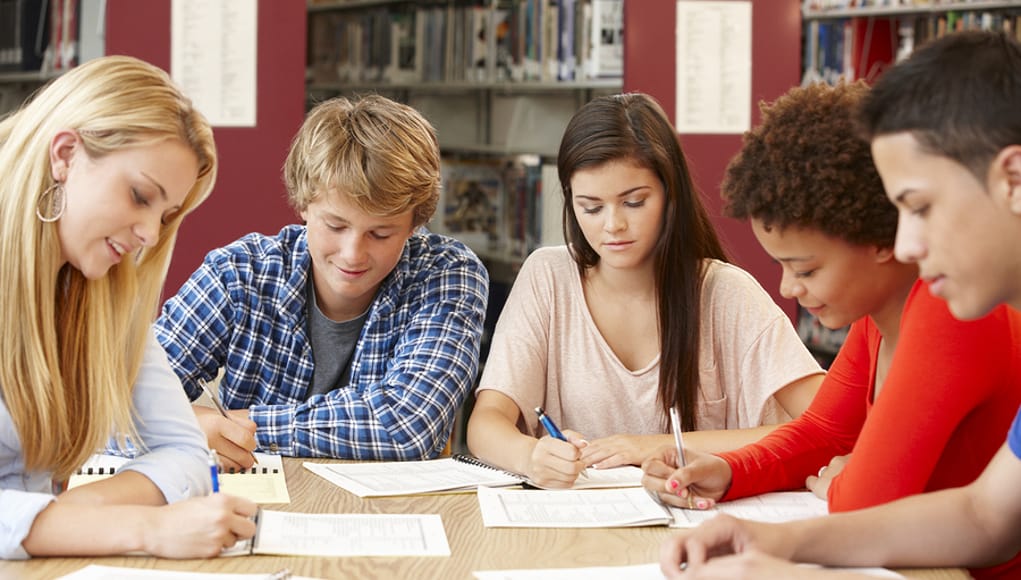
Project-based learning, also known as PBL, is an educational approach that focuses on students actively engaging in real-world projects to gain a deeper understanding of the subject matter. In this method, students work collaboratively to solve complex problems or create tangible products. By doing so, they develop critical thinking and problem-solving skills while also applying their knowledge in a meaningful context.
Experiential learning is another alternative education approach that emphasizes hands-on experiences as the primary mode of learning. Students engage in activities that allow them to directly interact with the subject matter and make connections between theory and practice. This type of learning helps students develop practical skills, foster creativity, and enhance their ability to adapt to new situations.
Inquiry-based learning encourages learners to ask questions, investigate topics of interest, and explore possible solutions independently. Rather than simply providing answers or information, teachers facilitate the process by guiding students through open-ended inquiries. This approach promotes curiosity, critical thinking skills, and a deep understanding of concepts through active engagement.
Self-assessment techniques empower students to take ownership of their learning by regularly reflecting on their progress and evaluating their own work. Through self-assessment, learners can identify strengths and areas for improvement while developing metacognition – awareness of one’s own thought processes. Examples include setting personal goals for improvement or creating checklists for self-evaluation.
Metacognition refers to thinking about one’s own thinking processes and is crucial in self-directed learning environments. It involves reflecting on strategies used during tasks or problem-solving exercises to improve future performance. Metacognitive practices such as journaling or discussing thoughts with peers help learners become more aware of how they learn best and apply effective strategies accordingly.
Collaborative learning plays a significant role in alternative education settings where students work together towards common goals while sharing ideas and perspectives. Collaborative projects encourage teamwork skills such as communication, cooperation, leadership development which are essential for success beyond school walls.
Self-paced learning strategies allow students to progress at their own speed, tailoring the learning experience to their individual needs and interests. This approach accommodates different learning styles and ensures that students have enough time to grasp complex concepts before moving on. Self-paced learning can be facilitated through online platforms or personalized curriculum plans.
Personalized learning plans involve tailoring educational experiences to meet the unique needs, strengths, and interests of each student. These plans may include specific goals, resources, and strategies designed to support individual learners in achieving academic success while also nurturing their personal growth.
Goal-setting and time management skills are essential for self-directed learners as they take responsibility for planning and organizing their education. Setting realistic goals helps students stay motivated by providing a clear direction towards achievement. Additionally, effective time management enables students to allocate appropriate amounts of time to various tasks or projects.
Building intrinsic motivation is crucial in alternative schooling environments where external rewards might be limited compared to traditional settings. Intrinsic motivation refers to the internal desire or passion for learning rather than relying on external incentives like grades or praise. Encouraging autonomy, fostering curiosity, providing choice in assignments all contribute towards building intrinsic motivation among students.
Developing critical thinking skills is an important aspect of self-directed learning as it allows individuals to analyze information critically, question assumptions, evaluate evidence, and form independent judgments. By cultivating critical thinking skills through open-ended questioning techniques and analyzing multiple perspectives on complex issues – learners become equipped with valuable lifelong tools for decision-making.
Cultivating creativity and innovation is another key focus in self-directed education programs. Students are encouraged to think outside the box, explore new possibilities, take risks, experiment with ideas without fear of failure which fosters creativity & innovation abilities vital for success in today’s rapidly changing world.
Utilizing technology tools can greatly enhance self-directed learning experiences by providing access to vast resources online including interactive multimedia content such as videos simulations etc., facilitating communication collaboration amongst peers globally expanding horizons beyond traditional classroom walls.
Integrating arts and music into self-directed education not only enhances students’ creative expression but also promotes critical thinking, problem-solving skills, collaboration, and emotional intelligence. The arts provide a platform for self-discovery and personal growth while fostering an appreciation for diversity and cultural understanding.
Emotional intelligence and social skills development are crucial aspects of alternative schooling as they equip students with the ability to navigate relationships, manage emotions effectively, and communicate empathetically. Activities such as group discussions or role-playing help learners develop these essential life skills in a supportive environment.
Outdoor and nature-based learning approaches offer opportunities for hands-on experiences in natural environments. This type of learning encourages curiosity about the natural world while promoting physical activity, environmental awareness, problem-solving abilities through experiential activities like gardening or outdoor exploration.
Mindfulness practices can benefit self-directed learners by enhancing focus attention span reducing stress levels improving well-being. Mindfulness techniques such as breathing exercises meditation encourage individuals to be present in the moment increase awareness of their thoughts feelings leading to improved cognitive performance overall mental health.
Balancing structure and freedom is crucial when designing alternative education programs. While providing flexibility allows students to pursue their interests independently – establishing clear guidelines routines create a sense of stability ensuring that key academic goals are met effectively without compromising individual autonomy creativity.
Nurturing a growth mindset is essential in alternative schooling environments where learners need resilience perseverance when facing challenges or setbacks. By encouraging the belief that abilities can be developed through effort dedication – rather than being fixed traits – educators foster an attitude of continuous improvement among students.
Assessing progress success in non-traditional educational settings requires innovative evaluation methods that go beyond traditional tests exams. Alternative assessment strategies may include portfolios presentations projects performances allowing students to showcase their unique talents strengths while demonstrating mastery over subject matter acquired skills throughout their learning journey
 Alternative Amie
Leave a comment