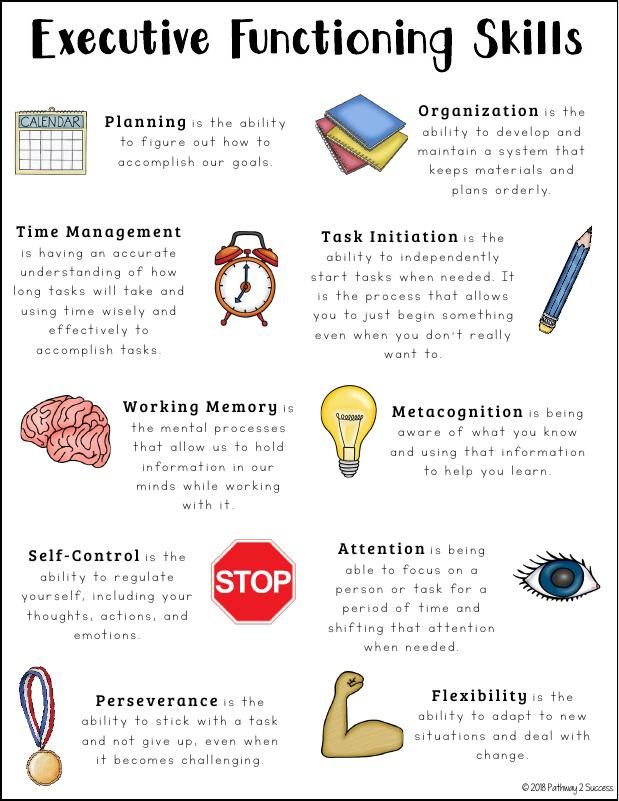
Executive functioning skills are a set of cognitive abilities that play a crucial role in our daily lives. These skills enable us to plan, prioritize, organize, and manage time effectively. They also help us to regulate our emotions and impulses, problem-solve, make decisions, and set goals for ourselves. While these skills are essential for success in school and beyond, they can be challenging for some individuals.
One alternative approach to developing executive functioning skills is through alternative schooling and education methods. Alternative schools often provide a more flexible environment where students can learn at their own pace and explore different strategies that work best for them. This allows students to focus on improving their executive functioning skills while still covering the necessary academic content.
In order to understand how alternative schooling approaches facilitate the development of executive functioning skills, it is important to first examine which specific areas these skills encompass.
One key aspect of executive functioning is planning and organization. Students with strong planning abilities can break down complex tasks into smaller manageable steps. They have the ability to create schedules or timelines that guide them through completing assignments or projects efficiently. Alternative schools often use visual aids such as charts or checklists that help students visualize their tasks and track their progress.
Another vital component of executive functioning is time management. Effective time management involves allocating enough time for each task based on its priority level while avoiding procrastination. Alternative schools may employ various techniques such as providing structured routines or encouraging the use of timers or alarms as reminders.
Additionally, alternative schooling methods emphasize teaching self-regulation skills – the ability to control one’s emotions and impulses appropriately. Students are guided in recognizing their emotional states and utilizing strategies like deep breathing exercises or mindfulness techniques when faced with challenges or stressful situations.
Problem-solving plays an integral part in developing executive functioning skills as well. Alternative education models typically encourage critical thinking by presenting real-world problems that require creative solutions from students. This helps foster analytical thinking processes which ultimately contribute towards improved problem-solving abilities.
Decision-making is another crucial executive functioning skill that alternative schools address. By involving students in decision-making processes, such as choosing a project topic or selecting learning materials, they learn to consider different options and weigh the pros and cons before making informed choices.
Goal-setting is an important aspect of executive functioning skills that alternative education methods focus on. Students are encouraged to set realistic short-term and long-term goals and work towards achieving them. This practice helps develop persistence, motivation, and self-discipline while improving overall planning abilities.
Alternative schooling approaches also recognize the significance of providing a supportive environment for developing executive functioning skills. Teachers often provide individualized attention, helping students identify their strengths and weaknesses in order to tailor strategies accordingly. They may also implement collaborative projects where students can learn from each other’s experiences and perspectives.
Furthermore, alternative schools often incorporate physical activities into their curriculum as they understand the positive impact exercise has on cognitive function. Regular physical exercise promotes mental alertness, concentration, memory retention, and overall brain health – all of which contribute to improved executive functioning skills.
In conclusion, alternative schooling methods offer valuable opportunities for developing executive functioning skills in students. Through flexible learning environments that prioritize individual needs and foster critical thinking, problem-solving abilities improve significantly. By teaching effective planning techniques, time management strategies, self-regulation skills, decision-making processes, goal-setting practices,and by creating supportive environments with regular physical activity opportunities – these alternative educational approaches effectively enhance essential cognitive abilities needed for success in academics as well as everyday life situations
 Alternative Amie
Leave a comment