Open educational resources (OER) have become a valuable tool in alternative education, providing teachers and students with access to free and adaptable learning materials. In this article, we will explore the diverse range of OER available for different subjects and skills in alternative schools.
1. Open educational resources for special needs students:
Special needs students require tailored resources to support their unique learning requirements. OER platforms like OpenEd offer a variety of materials such as visual aids, audio recordings, and interactive activities specifically designed for special needs learners. These resources can enhance engagement and understanding while promoting inclusivity in the classroom.
2. OER for teaching life skills in alternative education:
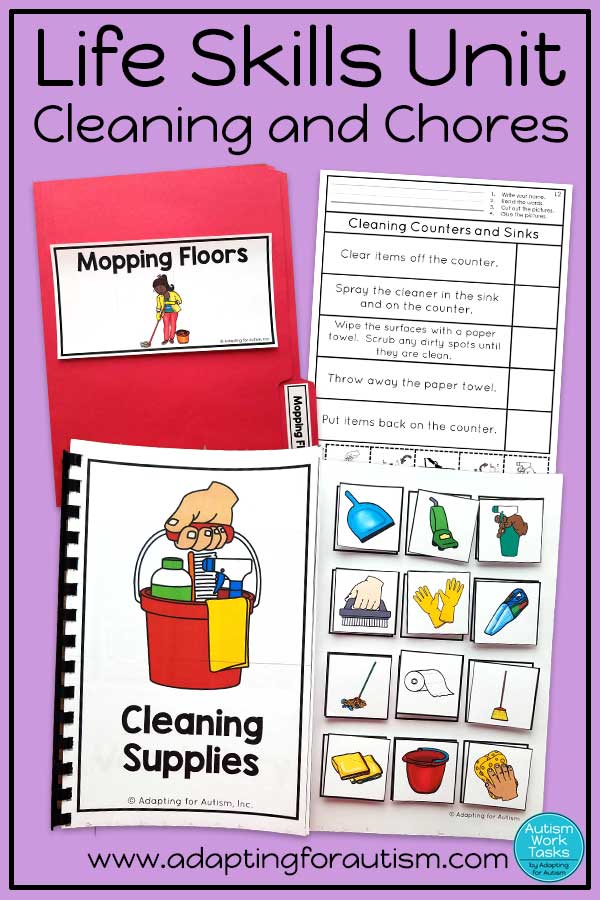
Life skills are essential for success beyond the classroom walls. OER platforms like SkillsCommons provide educators with lesson plans, instructional videos, and interactive modules that cover various life skills topics such as financial literacy, communication skills, time management, and problem-solving. These resources empower students to navigate real-world challenges effectively.
3. OER for project-based learning in alternative schools:
Project-based learning fosters critical thinking, collaboration, and creativity among students. Websites like PBLWorks offer open-source project ideas along with accompanying guides and assessments that encourage hands-on exploration across disciplines. These resources enable alternative schools to implement engaging projects that promote deep understanding.
4. Open educational resources for teaching coding and programming in alternative education:
Coding has become an increasingly sought-after skill in today’s digital age. Platforms like Code.org offer free coding tutorials suitable for learners of all ages and abilities. Additionally, websites like GitHub provide access to a vast collection of open-source code repositories where educators can find code samples or contribute their own materials tailored to specific student needs.
5. OER for outdoor and experiential learning in alternative schools:
Outdoor experiences enhance student engagement by connecting them with nature while fostering curiosity about the world around them.
Platforms such as Project Learning Tree provide educators with free environmental education curricula, activity guides, and supplementary resources. These materials help alternative schools incorporate outdoor learning experiences into their curriculum to promote environmental stewardship and a deeper connection with the natural world.
6. Open educational resources for teaching mindfulness and meditation in alternative education:
Mindfulness practices can enhance students’ emotional well-being and focus. Websites like Mindful Schools offer free lesson plans, guided meditations, and other resources specifically designed for educators to integrate mindfulness into their classrooms. These OER empower teachers to cultivate a calm and positive learning environment.
7. OER for teaching entrepreneurship and financial literacy in alternative schools:
Preparing students for the future of work includes equipping them with entrepreneurial skills.
OER platforms such as Khan Academy provide comprehensive courses on entrepreneurship, personal finance, budgeting, and investing. These resources enable alternative schools to foster an entrepreneurial mindset among students while promoting financial literacy.
8. Open educational resources for teaching art and creativity in alternative education:
Artistic expression nurtures creativity and self-expression among students.
Platforms like The Kennedy Center’s ArtsEdge offer a wide range of free arts integration lessons that connect various art forms with academic subjects. These OER empower alternative schools to infuse artistic elements into their curriculum while promoting imaginative thinking.
9. OER for teaching sustainable living practices in alternative schools:
Alternative education often emphasizes sustainability as part of its ethos.
Websites like TeachUNICEF provide educators with open-access lesson plans on topics such as climate change, conservation, renewable energy, and sustainable agriculture. These resources enable alternative schools to instill eco-consciousness in their students while fostering responsible global citizenship.
10. Open educational resources for teaching social justice and activism in alternative education:
Alternative education aims to create socially conscious individuals who actively participate in shaping a just society.
OER platforms like Teaching Tolerance offer free classroom activities, documentaries, readings, discussions guides that explore concepts related to social justice issues such as racial equality or gender equity.These materials empower alternative schools to foster critical thinking and empathy among students while promoting activism.
Incorporating OER into alternative education not only saves costs but also allows for customization and adaptability. These resources enable educators to provide high-quality instruction that meets the diverse needs of their students. By leveraging the power of open educational resources, alternative schools can create engaging and effective learning experiences across a wide range of subjects and skills.
 Alternative Amie
Leave a comment