Nanotechnology is an exciting field that has gained significant attention in recent years. It involves manipulating matter at the atomic and molecular scale to create new materials, devices, and systems with unique properties and functionalities. The potential applications of nanotechnology are vast, ranging from electronics and medicine to energy production and environmental conservation. In this Q&A style post, we will explore some common questions about nanotechnology.
Q: What exactly is nanotechnology?
A: Nanotechnology is the science, engineering, and application of materials and devices at the nanoscale level (1-100 nanometers). At this scale, properties such as electrical conductivity, strength, melting point, reactivity can differ significantly from those exhibited by bulk materials.
Q: How does nanotechnology work?
A: Nanotechnology relies on techniques that allow scientists to manipulate atoms or molecules individually or in small groups. These techniques include scanning probe microscopy (such as atomic force microscopy), self-assembly processes, molecular beam epitaxy (MBE), among others. By controlling the arrangement of these tiny building blocks precisely, researchers can create new materials with enhanced properties.
Q: What are some practical applications of nanotechnology?
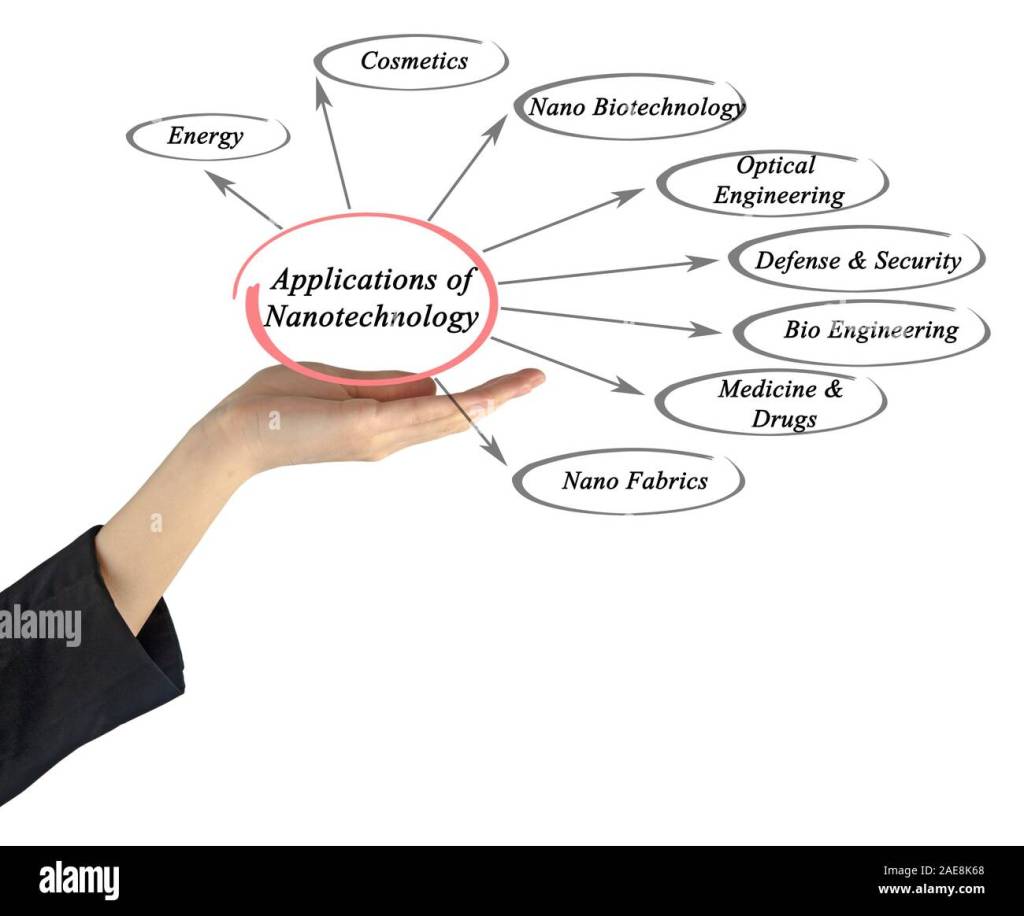
A: Nanotechnology has a wide range of practical applications across various fields. In electronics, it enables the development of smaller transistors for faster processors and memory chips with larger capacities. In medicine, nanoparticles can be used for targeted drug delivery or imaging purposes. Nanomaterials also have great potential in renewable energy technologies like solar panels or batteries with improved efficiency.
Q: Is there any risk associated with nanotechnology?
A: While nanotechnology offers tremendous benefits, it’s essential to consider its potential risks as well. Some nanoparticles may pose health hazards if they enter our bodies through inhalation or ingestion due to their small size and unique chemical characteristics. However, extensive research is being conducted to understand these risks better so that appropriate safety measures can be implemented during product development and usage.
Q: How is nanotechnology being integrated into education?
A: Nanotechnology has become an integral part of many educational institutions’ curricula. It provides students with the opportunity to explore interdisciplinary subjects like physics, chemistry, materials science, and engineering. Many universities offer specialized programs or courses in nanotechnology that equip students with knowledge and skills required for this rapidly growing field.
Q: Are there any ethical concerns related to nanotechnology?
A: Ethical considerations play a significant role in the advancement of nanotechnology. As with any technology, there are concerns about potential misuse or unintended consequences. For example, some worry about the environmental impact of nanoparticles released during manufacturing processes or disposal. Additionally, privacy issues may arise as nanosensors become more sophisticated and capable of gathering personal data.
Q: What does the future hold for nanotechnology?
A: The future of nanotechnology looks incredibly promising. Continued research and development will likely lead to breakthroughs in various fields such as medicine, electronics, energy production, and environmental conservation. As our understanding deepens and new applications emerge, it is crucial to ensure responsible innovation by addressing safety concerns and ethical implications along the way.
In conclusion, nanotechnology holds immense potential for transforming various industries by enabling precise manipulation at the atomic level. While there are risks associated with its use, ongoing research strives to mitigate them effectively. By integrating nanoscience into education systems worldwide, we can prepare future generations for harnessing this powerful technology responsibly while maximizing its benefits for society as a whole.
 Alternative Amie
Leave a comment