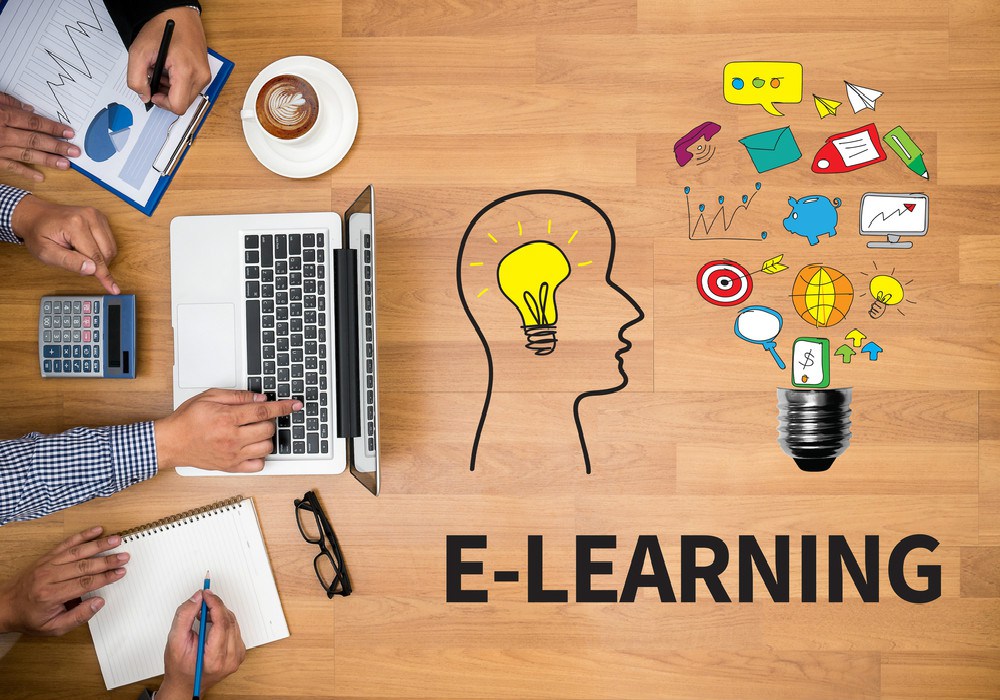
Online Learning: A DIY Guide to Alternative Education
In recent years, online learning has become an increasingly popular option for individuals seeking alternative forms of education. Whether you’re a student looking for additional resources to supplement your traditional classroom experience or someone who wants to pursue a new skill or hobby, online learning offers flexibility and convenience that traditional educational institutions often lack. In this DIY guide, we will explore the world of online learning and provide you with tips on how to make the most out of this alternative form of education.
1. Choose the Right Platform:
The first step in embarking on your online learning journey is selecting the right platform. With so many options available, it’s essential to consider factors such as reputation, course offerings, cost, and user reviews before making a decision. Some well-known platforms include Coursera, Udemy, Khan Academy, and Skillshare. Take your time to research each platform thoroughly and choose one that aligns with your specific goals and interests.
2. Define Your Goals:
Before diving into any course or program, it’s important to define your goals clearly. Are you looking to enhance your professional skills? Do you want to learn a new language? Are you pursuing personal growth through hobbies like photography or painting? Defining your objectives will help narrow down the vast range of courses available online and enable you to focus on what truly matters.
3. Create a Schedule:
One significant advantage of online learning is its flexibility; however, this can also be a double-edged sword if not managed properly. To ensure success in completing courses and achieving desired outcomes, create a schedule that incorporates regular study time into your routine. Treat online classes as seriously as you would treat traditional classes by setting aside dedicated blocks of time for studying.
4. Engage with Online Communities:
Though online learning may lack face-to-face interaction found in traditional classrooms, it doesn’t mean you have to learn alone! Many platforms offer discussion forums or online communities where students can interact, ask questions, and share experiences. Engaging with these communities not only provides support but also enriches your learning experience by enabling you to learn from others’ perspectives.
5. Take Advantage of Digital Resources:
Online learning offers a plethora of digital resources that can enhance your understanding and knowledge retention. From video lectures and e-books to interactive quizzes and simulations, make sure to utilize all the resources available to you. Experiment with different formats to find what works best for you in terms of comprehension and engagement.
6. Stay Motivated:
Maintaining motivation throughout an online course can be challenging since there are no physical classes or deadlines set by instructors. To stay motivated, set small achievable goals within each course module or section. Celebrate your accomplishments along the way, reward yourself when milestones are reached, and remind yourself why you embarked on this journey in the first place.
7. Seek Feedback:
One potential drawback of online learning is the absence of immediate feedback from instructors or peers during class sessions. However, most platforms provide avenues for seeking feedback through assignments or assessments submitted electronically. Don’t hesitate to take advantage of these opportunities as they will help gauge your progress and identify areas for improvement.
8. Network Online:
Building a network is crucial regardless of whether you pursue traditional or alternative education paths. Online platforms often have features that allow students to connect with instructors or other learners who share similar interests. Networking not only expands your knowledge but may also open doors to new opportunities such as internships, collaborations, or job prospects.
9: Embrace Lifelong Learning:
Lastly, remember that online learning is just one avenue in a vast landscape of alternative education options available today. Embrace lifelong learning by continuously exploring new subjects beyond formal courses offered online; attend webinars, listen to podcasts, read articles – the possibilities are endless!
In conclusion, online learning has revolutionized alternative education by providing accessible and flexible learning opportunities. By selecting the right platform, setting clear goals, creating a schedule, engaging with online communities, utilizing digital resources, staying motivated, seeking feedback, networking online, and embracing lifelong learning – you’ll be well on your way to making the most of your online learning experience. So why wait? Start exploring the world of online education today!
 Alternative Amie
Leave a comment