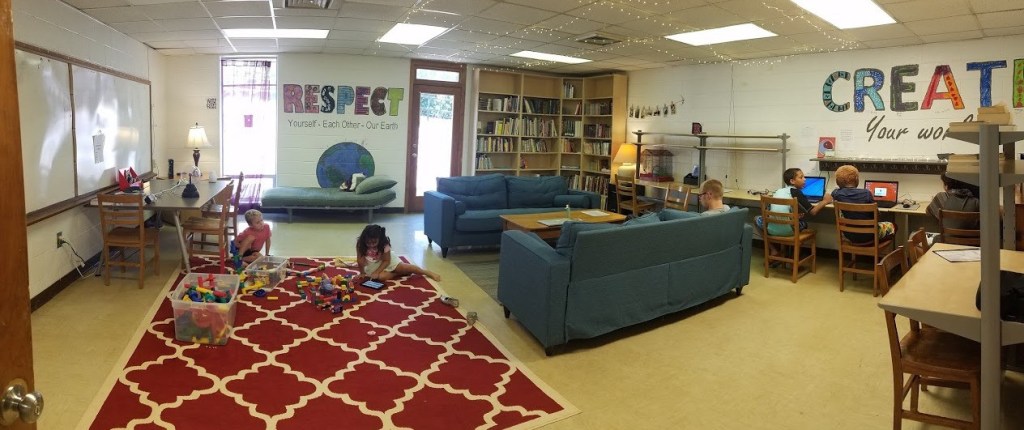
The Sudbury model of education is a unique approach that values the individuality and autonomy of students. It emphasizes self-directed learning, democratic decision-making, and the pursuit of personal interests. While the model has gained popularity worldwide, it faces various challenges in different contexts. In this article, we will explore some of these challenges and discuss possible solutions.
One key challenge faced by Sudbury model schools is the incorporation of technology into their curriculum. Technology can be a valuable tool for research, communication, and creative expression. However, it can also be a distraction and hinder self-directed learning if not used mindfully. Sudbury schools must strike a balance between utilizing technology to enhance learning while maintaining their focus on student autonomy.
In rural areas where resources may be limited, Sudbury schools face additional obstacles. Access to high-speed internet and specialized equipment may be lacking, making it difficult for students to pursue certain interests or engage in online research. To overcome this challenge, Sudbury schools can seek partnerships with local organizations or leverage community resources to provide students with necessary tools and opportunities.
Artistic expression plays an important role in fostering creativity and emotional development among students. Incorporating art into the Sudbury curriculum allows students to explore various forms of self-expression while developing critical thinking skills. This can be done through dedicated art classes or by integrating artistic activities into other subjects such as history or science.
Cultural diversity is another aspect that needs attention in Sudbury model schools. As these schools aim to create inclusive environments where every student’s voice is valued equally, it becomes crucial to address cultural differences respectfully and promote understanding among students from diverse backgrounds. Introducing multicultural literature, celebrating cultural festivals together as a community, and inviting guest speakers from different ethnicities are some ways to foster cultural awareness within the school.
Outdoor learning provides numerous benefits such as improved physical health, enhanced problem-solving skills, increased engagement with nature, and reduced stress levels among students. Implementing outdoor education in Sudbury schools can be achieved through nature walks, gardening projects, or even dedicating specific days for learning activities in natural environments. This not only aligns with the philosophy of self-directed learning but also nurtures a sense of environmental stewardship among students.
Supporting students with special needs is an important aspect of inclusive education. Sudbury model schools can ensure that all students have equal access to resources and support by providing individualized learning plans and accommodations as needed. Collaboration with specialists, therapists, and other professionals can help create an inclusive environment where every student’s unique needs are met.
Alternative assessment methods are essential in evaluating the progress and growth of Sudbury model students. Traditional tests may not accurately reflect their abilities or interests. Instead, assessments such as project-based evaluations, portfolios, presentations, or exhibitions can better capture the diverse skills and knowledge acquired by students through self-directed learning.
Parental involvement is vital for the success of Sudbury model schools. Parents should have opportunities to actively participate in decision-making processes regarding school policies and curriculum development. Regular communication channels between parents and staff members should be established to ensure transparency and collaboration.
Balancing freedom and structure is at the core of the Sudbury approach. While allowing students to pursue their interests freely, it is important to provide them with guidance when necessary. Offering a range of resources, mentors, workshops, or classes allows students to explore different subjects while ensuring they receive well-rounded education.
Emotional intelligence plays a crucial role in personal development and successful interpersonal relationships. The Sudbury model encourages emotional expression through democratic decision-making processes, conflict resolution strategies rooted in empathy and understanding, regular mindfulness practices like meditation or yoga sessions that promote self-awareness and stress reduction.
In conclusion, Sudbury model schools face various challenges ranging from incorporating technology appropriately to supporting diverse learners effectively. By finding innovative solutions such as building community partnerships or integrating art into the curriculum creatively while maintaining emphasis on autonomy and self-directed learning, Sudbury schools can continue to provide a unique and enriching educational experience for all students.
 Alternative Amie
Leave a comment