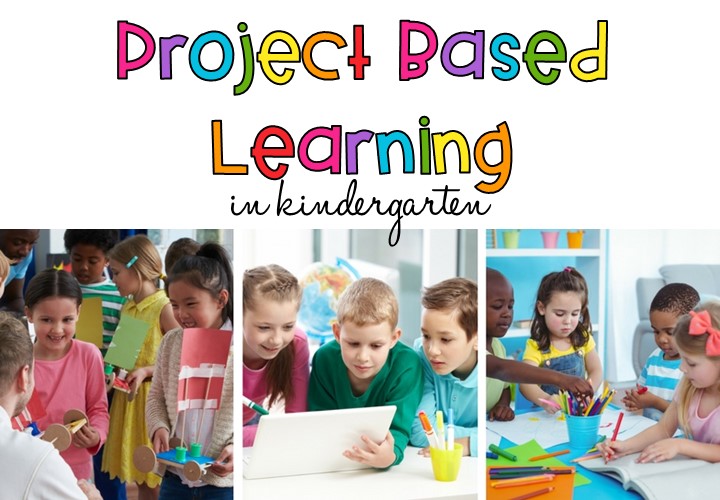
Project-Based Learning (PBL) has gained significant recognition as an effective teaching and learning approach in various educational settings. Its emphasis on real-world application, collaboration, critical thinking, and problem-solving skills makes it a valuable tool for engaging students and promoting deeper understanding of the subject matter. In this article, we will explore the benefits and implementation of project-based learning across different educational contexts.
1. Project-Based Learning in Physical Education:
Physical education is not just about sports and exercise; it can also be an opportunity for students to develop important life skills through project-based learning. By designing projects that incorporate fitness challenges, nutrition planning, or even creating their own workout routines, students can gain a better understanding of the importance of physical health while actively participating in their own wellness journey.
2. Project-Based Learning for Students with Special Needs:
Project-based learning can be particularly beneficial for students with special needs as it allows them to engage with the curriculum in a hands-on and meaningful way. By tailoring projects to individual interests and abilities, educators can create inclusive learning environments where all students have the opportunity to succeed.
3. Project-Based Learning in Music and Arts Education:
Music and arts education provide fertile ground for project-based learning experiences. Students can undertake projects such as composing original music pieces, creating artwork inspired by historical events or cultural traditions, or even organizing art exhibitions or music performances within their community. These projects encourage creativity, self-expression, collaboration, and foster a deep appreciation for the arts.
4. Project-Based Learning for Early Childhood Education:
Early childhood education lays the foundation for future academic success. Incorporating project-based learning into this stage helps young learners develop essential cognitive skills like problem-solving, decision-making, communication while exploring topics that spark curiosity like nature exploration or imaginative play scenarios.
5. Project-Based Learning in Vocational Training Programs:
Vocational training programs aim to equip individuals with practical skills needed to enter specific industries or occupations successfully. By integrating project-based learning, students can apply their theoretical knowledge in real-world scenarios, develop industry-specific skills, and gain a competitive edge in the job market.
6. Project-Based Learning for Homeschooling Families:
Homeschooling provides flexibility and personalized instruction. Project-based learning aligns perfectly with this approach as it allows families to tailor projects to their child’s interests while meeting educational objectives. Projects could range from creating a documentary on a historical event to designing a science experiment or even organizing a community service project.
7. Project-Based Learning in Environmental Science Education:
Environmental science education plays a crucial role in fostering environmental stewardship and sustainable practices. Through project-based learning, students can investigate local environmental issues, propose solutions, and take action by implementing conservation initiatives or raising awareness within their school or community.
8. Project-Based Learning for At-Risk Youth:
At-risk youth often face significant barriers to academic success due to various socio-economic factors. Implementing project-based learning can help engage these students by providing opportunities for hands-on learning experiences that connect classroom knowledge with real-life situations, encouraging personal growth and fostering positive relationships with peers and mentors.
9. Project-Based Learning in Foreign Language Education:
Foreign language acquisition is enhanced through immersive experiences where students actively use the target language in meaningful contexts. Projects such as creating travel brochures or participating in cultural exchanges allow students to apply language skills while gaining cultural competence and global awareness.
10. Project-Based Learning for Adult Learners:
Adult learners benefit greatly from project-based learning as it promotes self-directed learning, problem-solving skills development relevant to their professional lives, and encourages collaboration among peers with diverse backgrounds and experiences.
11.Project-Based Learning In Mathematics Education:
Mathematics education often struggles with engaging students due to its abstract nature; however, project-based learning offers an opportunity for practical application of mathematical concepts through real-world problems or investigations that require critical thinking skills
 Alternative Amie
Leave a comment