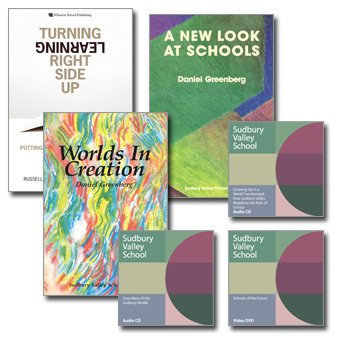
The Sudbury model of education, also known as the Sudbury Valley School (SVS) model, is a unique approach to schooling that emphasizes self-directed learning and democratic decision-making. While it has garnered a dedicated following and has been successful for many students, it is not without its challenges and criticisms. In this panel discussion-style post, we will explore some of these concerns in order to provide a balanced perspective on the Sudbury model.
Panelist 1: Sarah – Education Expert
Sarah raises an important concern regarding the lack of structure in the Sudbury model. She argues that without clear guidelines or curriculum, students may struggle with setting educational goals and staying motivated. Additionally, she believes that essential subjects may be overlooked if left solely up to student choice.
Panelist 2: Mark – Former Sudbury Student
Mark offers a different perspective based on his personal experience attending a Sudbury school. He acknowledges that while there may be less structure compared to traditional schools, SVS provided him with valuable life skills such as self-motivation, time management, and problem-solving abilities. Mark believes that allowing children freedom in their education fosters independence and prepares them for real-world challenges.
Panelist 3: Lisa – Parent of a Current SVS Student
Lisa expresses her concern about the lack of formal evaluation or standardized testing within the Sudbury model. She worries about how her child’s progress will be assessed when applying for college or future employment opportunities. Lisa questions whether employers and universities will value an unconventional educational background like SVS.
Panelist 4: John – Educator at Traditional School
John voices skepticism about whether all students can thrive in the Sudbury model. He suggests that some children require more guidance from teachers to learn effectively and may feel lost without structured lessons or explicit instruction. John argues that alternative approaches like Montessori or project-based learning might strike a better balance between freedom and guidance.
Facilitator: Jennifer – Alternative Education Advocate
Jennifer acknowledges the concerns raised by her fellow panelists and offers a response. She highlights that while the Sudbury model may not suit all students, it provides an alternative form of education for those who thrive in self-directed learning environments. Jennifer emphasizes that SVS graduates have successfully pursued higher education and career paths of their choice, indicating that colleges and employers do recognize the value of this unique educational experience.
Jennifer also points out that Sudbury schools often provide support systems to help students navigate college applications or develop portfolios showcasing their abilities. Furthermore, she argues that standardized testing does not necessarily reflect a student’s true potential or readiness for future endeavors.
In conclusion, the Sudbury model of education has its fair share of challenges and criticisms. Concerns about lack of structure, evaluation methods, and suitability for all students are valid points to consider. However, proponents argue that the Sudbury model fosters independence, critical thinking skills, and prepares students for real-world challenges.
Ultimately, choosing an educational approach should be based on individual needs and preferences. The Sudbury model may not be suitable for everyone but can undoubtedly offer a valuable alternative for learners who thrive in self-directed environments. It is crucial to remember that diversity in educational options allows us to cater to different learning styles and preferences – ultimately creating well-rounded individuals ready to contribute meaningfully to society.
 Alternative Amie
Leave a comment