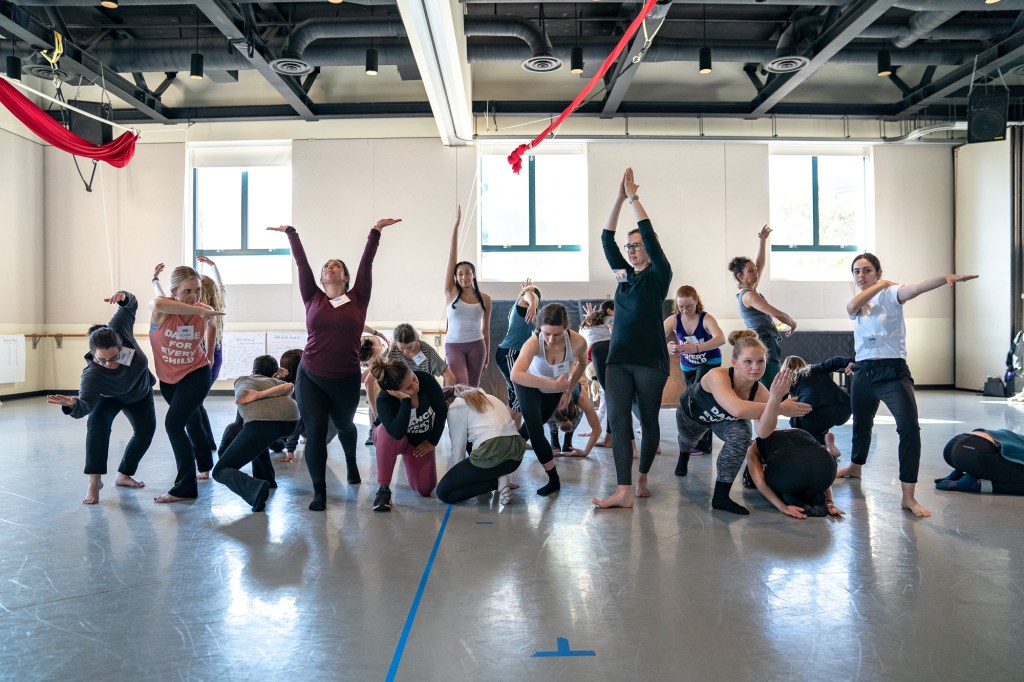
Dance: The Perfect Alternative to Traditional Education
In the realm of alternative schooling and education, one often encounters unconventional methods that challenge the traditional norms. And what better way to break away from the conventional than through dance? Yes, you heard it right – dancing can be an excellent alternative to traditional education.
Imagine a world where classrooms are replaced with dance studios, textbooks are swapped for rhythm guides, and exams are transformed into electrifying performances. This may sound like a utopian dream, but let’s explore why dance could revolutionize the way we educate our children.
Firstly, dance is a physically demanding art form that promotes wellness and fitness. Unlike sitting at a desk all day long, dancers constantly move their bodies in unique ways that engage every muscle group. Who needs PE classes when you have ballet or hip-hop rehearsals? Dance not only keeps students active but also enhances their coordination skills and balance – essential life skills that transcend academia.
Furthermore, dancing encourages self-expression and boosts creativity. In traditional education systems, students are often confined within rigid structures that stifle individuality. But with dance as an educational tool, students can unleash their inner artists without fear of judgment or failure. Whether it’s contemporary or salsa, each dancer brings their own interpretation to the choreography, allowing them to freely express themselves in a supportive environment.
Dance also fosters teamwork and collaboration. In many forms of dance – think ballroom or synchronized routines – individuals must work together seamlessly as a unit. This teaches important social skills such as effective communication, listening attentively to others’ ideas, compromising when necessary, and relying on teammates for support. These skills extend beyond the studio walls; they prepare students for future collaborations in professional settings while fostering empathy and understanding among peers.
Moreover
 Alternative Amie
Leave a comment