The Role of Narrative Assessments in Project-Based Learning
Project-based learning has gained popularity in recent years as a way to engage students in authentic, real-world experiences that promote deep understanding and application of knowledge. While traditional assessments such as tests and quizzes have their place, they may not capture the full range of skills and competencies that students develop through project-based learning. This is where narrative assessments come into play.
Narrative assessments are a form of evaluation that allows students to tell their story, reflect on their learning journey, and showcase their growth and accomplishments. By incorporating narratives into project-based learning assessments, educators can gain valuable insights into students’ progress and provide targeted feedback for improvement.
Here are some ways narrative assessments enhance project-based learning:
1. Providing a holistic view: Traditional assessments often focus on discrete skills or content knowledge. In contrast, narrative assessments allow students to demonstrate their understanding across multiple dimensions, including critical thinking, problem-solving, creativity, collaboration, communication, and self-reflection.
2. Capturing social-emotional skills: Project-based learning emphasizes the development of social-emotional skills such as empathy, resilience, self-awareness, and teamwork. Through narratives, students can articulate how they have grown in these areas during the course of a project.
3. Personalizing education plans: Individualized Education Plans (IEPs) are designed to meet the unique needs of students with disabilities or special educational requirements. Narrative assessments provide an opportunity to document progress towards IEP goals while also highlighting individual strengths and areas for further support.
4. Empowering student voice: Giving students agency over their own assessment process is essential for fostering ownership of learning outcomes. Narrative assessments invite student voice by allowing them to share their perspectives on what they have learned and how it relates to their lives beyond school.
5. Cultivating creativity and innovation: Creativity is often difficult to measure using traditional assessment methods but can be effectively showcased through narratives. Students can describe the creative processes they used, explain how they overcame challenges, and reflect on the impact of their innovative ideas.
6. Assessing non-traditional subjects: Narrative assessments are well-suited for evaluating learning in non-traditional subjects such as art or music. Students can use storytelling techniques to convey their artistic processes, inspiration, and intentions behind their creations.
7. Harnessing digital storytelling: In today’s digital age, students have access to a wide range of multimedia tools that enable them to create engaging narratives using images, videos, audio recordings, and interactive elements. Digital storytelling enhances student engagement and allows for more dynamic assessment experiences.
8. Fostering critical thinking skills: Narratives provide a platform for students to demonstrate higher-order thinking skills such as analysis, evaluation, and synthesis. Through thought-provoking prompts or tasks embedded within narratives, students can showcase their ability to think critically and make evidence-based arguments.
9. Supporting special needs students: Alternative schooling settings often cater to students with diverse learning needs. Narrative assessments can be adapted to accommodate different abilities by providing options for communication (verbal or written), format (visual or auditory), or assistance from support personnel.
10. Evaluating problem-solving in real-world contexts: Project-based learning aims to prepare students for real-world challenges by developing their problem-solving abilities. Narrative assessments allow students to articulate how they approached complex problems during a project and propose strategies for improvement or future application.
Incorporating narrative assessments into project-based learning requires careful planning and implementation:
1. Clear expectations: Provide clear guidelines on what should be included in the narrative assessment – whether it is reflection prompts related to specific project goals or criteria for evaluating creativity and critical thinking.
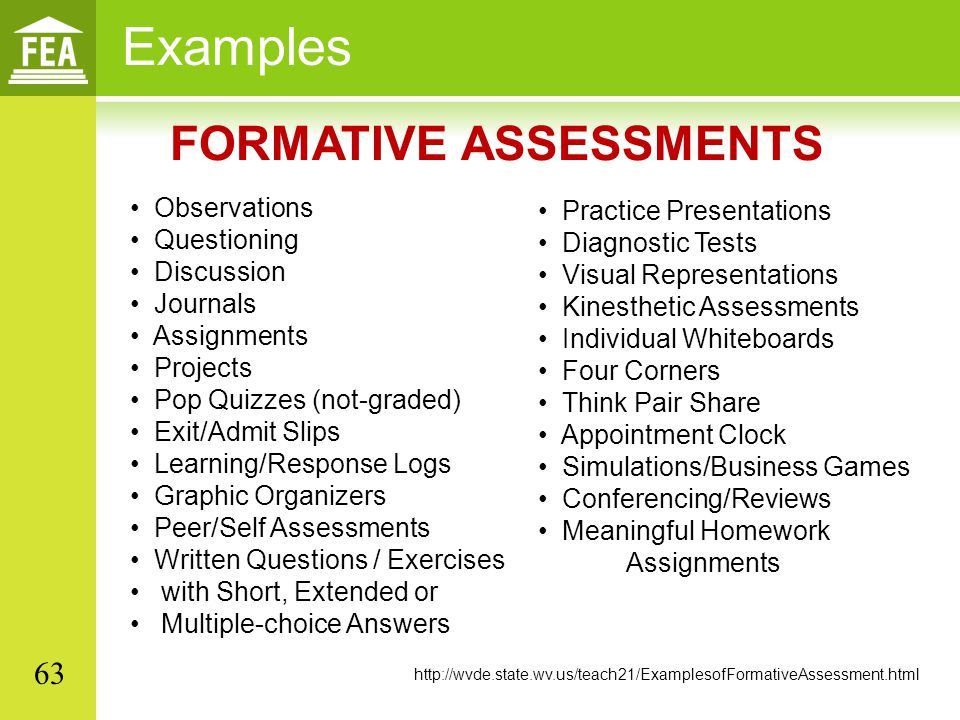
2. Scaffolded support: Offer supports such as templates, graphic organizers, examples of high-quality narratives from previous projects, peer feedback opportunities, or mini-lessons on effective storytelling techniques.
3. Peer collaboration: Encourage students to engage in peer feedback and collaboration during the narrative assessment process. Peer evaluations can provide valuable insights, foster a sense of community, and facilitate learning from one another.
4. Rubrics for assessment: Develop rubrics that align with project goals and desired outcomes. These rubrics should be transparent to students so they understand how their narratives will be evaluated.
5. Authentic audience: Provide opportunities for students to share their narratives beyond the classroom, such as through presentations, exhibitions, or online platforms. This not only increases motivation but also allows for authentic feedback from a wider audience.
In conclusion, narrative assessments are a powerful tool in project-based learning as they capture the multi-faceted growth and development of students’ skills and competencies. By incorporating narratives into assessments, educators can gain deeper insights into student progress while empowering them to take ownership of their learning journey.
 Alternative Amie
Leave a comment