Game Design and Development: Fostering Creativity and Critical Thinking
In today’s digital world, where technology plays a significant role in our lives, it is essential to equip students with skills that go beyond traditional education. Alternative schooling approaches recognize this need and provide opportunities for students to explore their interests and develop practical skills. One such approach gaining popularity is game design and development.
Game design and development not only offers a unique way of engaging students but also fosters creativity, critical thinking, problem-solving, collaboration, and teamwork. This article will delve into the benefits of incorporating game design and development into alternative education programs.
1. Stimulating Creativity:
Creativity is an invaluable skill required in almost every aspect of life. Game design allows students to unleash their imagination by creating characters, narratives, environments, sound effects, music – the entire gaming experience from scratch. It provides them with a platform to experiment with ideas freely while developing storytelling abilities.
2. Enhancing Critical Thinking:
Games are complex systems that require intricate planning and decision-making processes at various levels. When designing games or playing them critically, students must analyze problems from multiple perspectives, strategize solutions effectively, identify patterns or trends within gameplay mechanics – all while considering user experiences. These challenges enhance critical thinking skills as they learn to evaluate options objectively before making informed decisions.
3. Nurturing Problem-Solving Skills:
Game design inherently involves problem-solving on multiple fronts – technical issues like coding bugs or optimization concerns; creative hurdles like narrative inconsistencies or level design flaws; or even addressing player feedback constructively through iterative improvements. By going through these processes repeatedly during game creation cycles or analyzing existing games for improvement potentialities—students become adept at identifying problems quickly while brainstorming innovative solutions.
4. Encouraging Collaboration & Teamwork:
Game development projects often involve teams comprising individuals with diverse skill sets – artists working alongside programmers; writers collaborating with designers; testers providing valuable feedback throughout the process. By working together, students learn to communicate effectively, delegate tasks, resolve conflicts amicably, and appreciate the value of collective effort—all essential skills in today’s highly interconnected world.
5. Fostering Technical Competence:
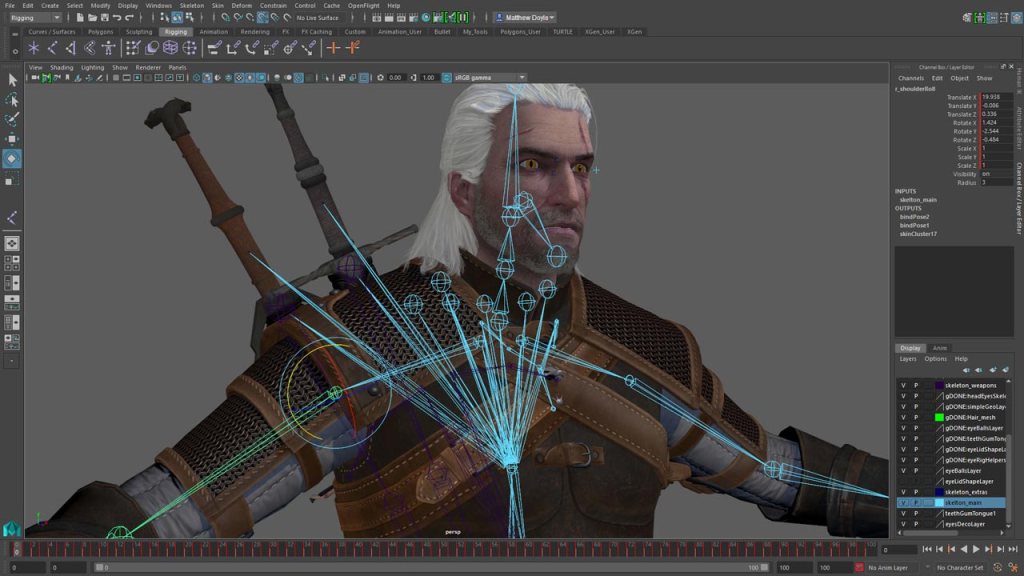
Game design and development expose students to a wide range of technical skills that are increasingly sought after in various industries. These include programming languages like C++, Python or JavaScript; 3D modeling using software such as Maya or Blender; audio production using tools like Audacity; and game engines like Unity or Unreal Engine. Acquiring these technical competencies equips students with a versatile skill set applicable beyond game design.
6. Promoting Entrepreneurship:
With the rise of indie game developers and digital platforms for self-publishing games, game design opens up avenues for entrepreneurship among students. It encourages them to think innovatively about monetization strategies, marketing plans, and business models while nurturing their passion for gaming.
7. Enhancing Digital Literacy:
As technology continues to evolve at an unprecedented pace, digital literacy has become crucial for success in almost every field. Game design exposes students to industry-standard tools and practices early on—helping them navigate through complex software interfaces efficiently while adapting quickly to new technologies.
8. Building Resilience & Perseverance:
Game development is not without its challenges—students often encounter roadblocks during the creation process that require perseverance and resilience to overcome successfully. Working through setbacks teaches valuable life lessons about patience, adaptability, learning from failures, and persistently striving towards goals—a mindset vital for personal growth.
9. Cultivating Ethical Decision-Making:
Games can be powerful storytelling mediums capable of addressing social issues by presenting players with moral dilemmas within interactive narratives. The act of designing ethical choices or exploring controversial themes helps cultivate empathy, compassion, and ethical decision-making skills among students – encouraging them to reflect critically on societal concerns.
10.Providing Real-World Experience:
Game design and development projects often mirror real-world scenarios, allowing students to experience the iterative nature of creative processes. This hands-on approach helps them develop project management skills, time management abilities, and a sense of accountability for their work – all valuable experiences that translate effectively into other professional domains.
In conclusion, game design and development offer alternative education programs an engaging avenue for fostering creativity and critical thinking among students. By incorporating these elements into the curriculum, educators can equip learners with valuable skills applicable in various fields while igniting their passion for technology-driven industries. As we prepare future generations for an increasingly digital world, alternative schooling approaches like game design provide a promising pathway towards holistic development.
 Alternative Amie
Leave a comment