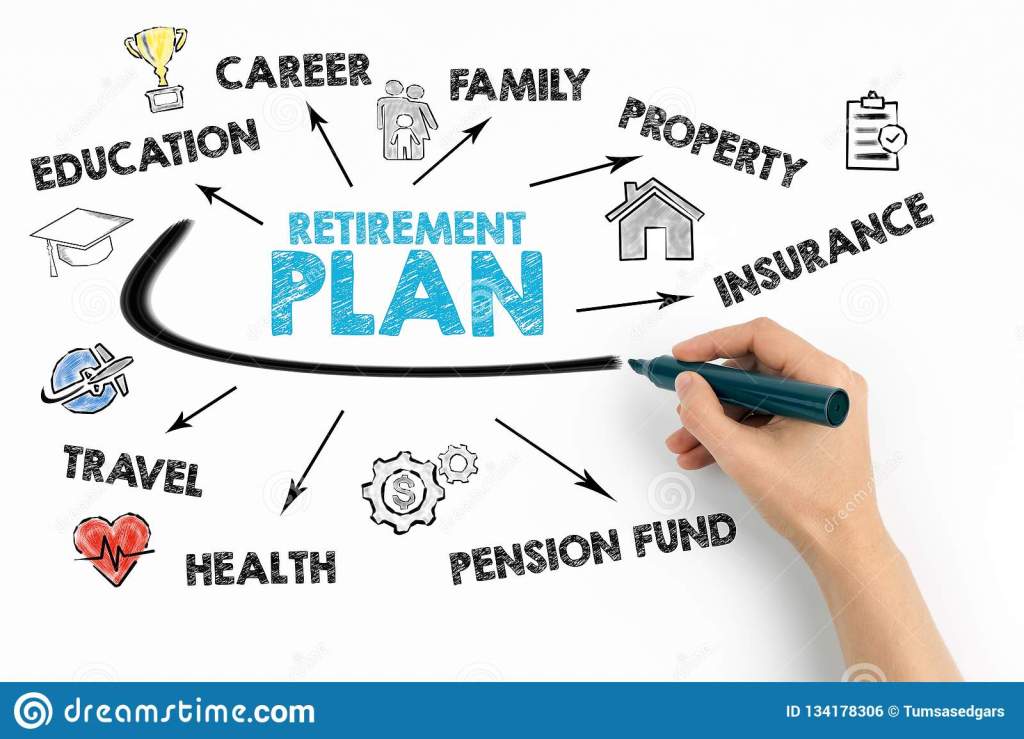
Retirement Planning: Securing Your Future
In today’s fast-paced world, it is essential to plan for your future, especially when it comes to retirement. Retirement planning is a crucial aspect of personal finance that ensures financial security and peace of mind during your golden years. With the changing dynamics of the workforce and evolving economic conditions, alternative schooling and education can play a vital role in equipping individuals with the necessary skills and knowledge to make informed decisions about their retirement.
One of the primary goals of alternative schooling and education is to foster self-sufficiency and independence. By providing students with a well-rounded curriculum that includes financial literacy, these educational institutions empower individuals to take control of their financial future. Retirement planning forms an integral part of this curriculum as it encourages students to start saving early, understand investment options, manage debt effectively, and develop sound money management habits.
The first step in retirement planning is setting clear goals. Alternative schools emphasize teaching students how to envision their ideal retirement lifestyle while considering factors such as living expenses, healthcare costs, travel aspirations, or any other personal desires they may have during retirement. By defining these goals early on through guidance from educators or career counselors who specialize in retirement planning, students gain clarity on what they need to achieve financially before retiring.
Saving for retirement often requires discipline and consistency. Alternative schooling educates individuals on different savings vehicles available such as employer-sponsored 401(k) plans or individual retirement accounts (IRAs). Students are taught about contribution limits, tax advantages associated with each type of account, and how compounding interest can work in their favor over time. Additionally, strategies like dollar-cost averaging – investing a fixed amount at regular intervals regardless of market fluctuations – are explained as effective ways to grow wealth steadily over extended periods.
Investment knowledge is another important aspect emphasized by alternative schooling when it comes to retirement planning. Students learn about various investment options such as stocks, bonds, mutual funds or exchange-traded funds (ETFs), and how to assess risk tolerance and diversify their portfolios accordingly. By understanding the principles of asset allocation, students can make informed investment decisions that align with their long-term retirement goals.
Lastly, alternative schooling and education emphasize the importance of staying proactive throughout one’s retirement journey. This involves regularly reviewing and adjusting financial plans as circumstances change over time. Students are encouraged to stay updated on economic trends, changes in tax laws, or any other factors that may impact their retirement savings. Additionally, they learn about strategies like creating an emergency fund to handle unexpected expenses during retirement or exploring part-time work opportunities if needed.
In conclusion, retirement planning is a vital component of personal finance education provided by alternative schooling and education institutions. By equipping individuals with the necessary skills and knowledge early on, these educational platforms empower students to take control of their financial future effectively. From goal setting to saving strategies, investment knowledge to staying proactive throughout the retirement journey – alternative schooling ensures that individuals have a solid foundation for securing a comfortable and fulfilling retirement lifestyle.
 Alternative Amie
Leave a comment