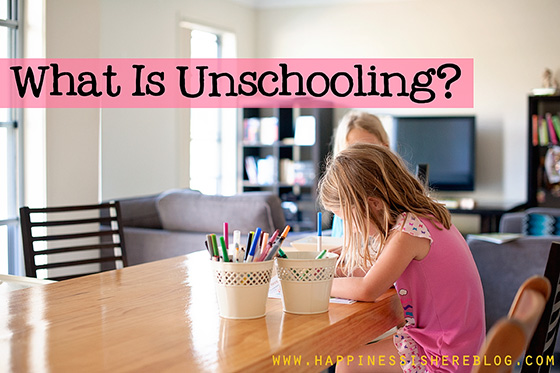
Unschooling is an alternative educational approach that emphasizes self-directed learning and personal interests rather than traditional curriculum and classroom settings. While unschooling can offer many benefits, such as fostering creativity and independence, it also presents a unique set of challenges for students within traditional educational systems. In this article, we will explore some of the challenges faced by unschoolers in these settings.
One significant challenge faced by unschoolers in traditional educational systems is the lack of flexibility and customization. Traditional schools often have rigid schedules, standardized tests, and set curricula that may not align with the individualized learning paths followed by unschooled students. This mismatch can lead to frustration for both students and teachers who struggle to accommodate different learning styles and interests within the confines of a structured classroom environment.
Another challenge is socialization. Unschoolers typically have more freedom to interact with people from various age groups and backgrounds outside of school settings. However, when they transition into traditional schools, they may find it difficult to adjust to the limited social interactions offered in classroom settings. Additionally, their unconventional learning experiences may make it challenging for them to connect with peers who have followed more traditional educational paths.
Furthermore, assessment methods can pose a challenge for unschoolers in traditional educational systems. Unschooling focuses on holistic development rather than grades or test scores. As a result, unschooled students might struggle with assessments that rely heavily on memorization or regurgitation of information rather than practical application or critical thinking skills.
Unschooled students may also face difficulties in finding resources that cater to their specific interests or passions within traditional educational systems. The curriculum is often designed for broad coverage of subjects but may not provide enough depth or specialization options desired by unschooled learners.
Additionally, transitioning from an independent learning style to one dictated by external authority figures can be challenging for unschoolers entering traditional classrooms. They might struggle with adapting to strict rules and regulations, as well as the teacher-centered approach to learning that is commonly found in traditional educational systems.
Another challenge for unschoolers in traditional educational systems is the potential negative perception from teachers, administrators, or even peers. Unschooling is still relatively uncommon and can be misunderstood by those who are more accustomed to traditional education. This lack of understanding may result in skepticism or prejudice towards unschooled students, making their integration into the system more challenging.
Moreover, unschoolers might find it difficult to adjust to a structured curriculum with set deadlines and assignments after experiencing a more flexible and self-directed learning environment. The transition from autonomous decision-making to following predetermined schedules and guidelines can be daunting for some unschooled students.
Unschoolers may also struggle with motivation when faced with subjects or activities they are not interested in within traditional classrooms. In an unschooling environment, learners have the freedom to pursue their passions fully, which inherently fosters motivation and engagement. However, this intrinsic drive might diminish when faced with compulsory subjects that do not align with their interests.
Furthermore, grading systems in traditional schools can be problematic for unschoolers who have been accustomed to alternative methods of evaluation or feedback. Traditional letter grades may not accurately reflect an unschooled student’s abilities or progress since they often prioritize rote knowledge over comprehensive understanding or practical skills development.
Finally, another significant challenge faced by unschoolers within traditional educational systems is conformity pressure. Unschooling promotes critical thinking and individuality; however, traditional schools often encourage conformity and compliance with established norms. Unschooled students might feel pressured to conform to societal expectations rather than embracing their unique perspectives and approaches to learning.
In conclusion, while unschooling provides numerous benefits for learners seeking a non-traditional educational path focused on self-directed learning and personal interests, transitioning into a traditional educational system presents several challenges. These challenges include inflexibility of curricula, limitations on socialization, incompatible assessment methods, a lack of specialized resources, difficulties adjusting to authority figures and structured environments, potential negative perceptions from peers and teachers, struggles with motivation and engagement in compulsory subjects, misalignment with traditional grading systems, and pressure to conform. Recognizing these challenges can help both educators and unschoolers navigate the integration process more effectively.
 Alternative Amie
Leave a comment