Mindfulness Techniques for Accelerated Learning
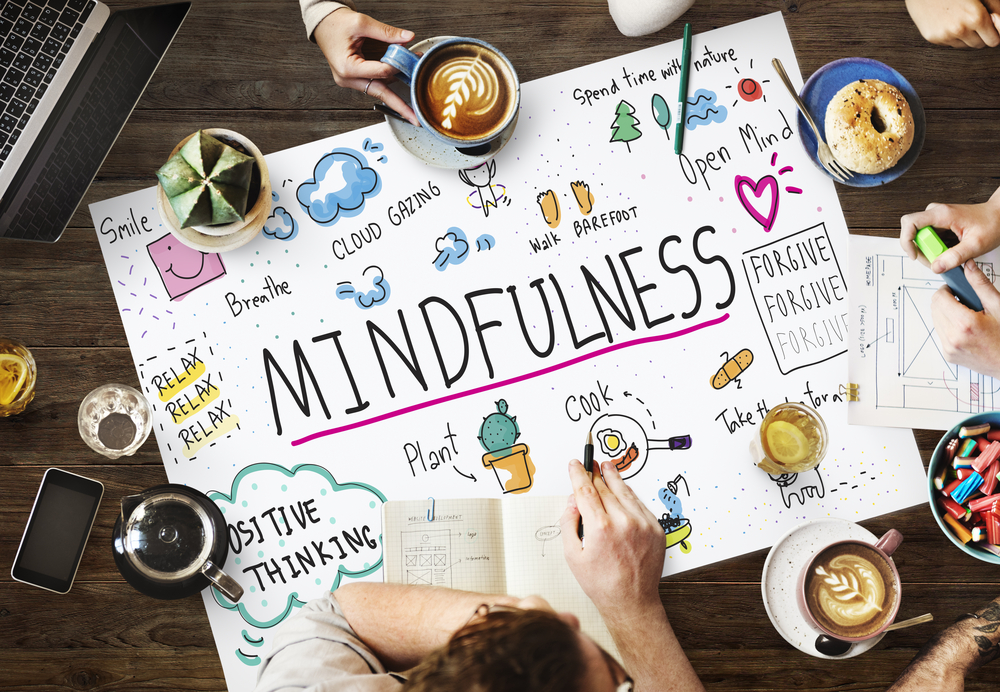
In today’s fast-paced world, where information is constantly being thrown at us from all directions, it can be challenging to focus and retain knowledge. This is especially true in alternative education settings, where students often have unique learning styles and needs. However, incorporating mindfulness techniques into the classroom can greatly enhance accelerated learning outcomes.
Mindfulness is the practice of paying attention to the present moment without judgment. It involves bringing awareness to one’s thoughts, feelings, bodily sensations, and surroundings. By cultivating a sense of presence and reducing distractions, students are better able to absorb information and engage in deep learning.
One effective mindfulness technique for accelerated learning is mindful breathing. Taking a few minutes at the beginning of each class or study session to focus on deep breathing can help calm the mind and increase concentration. Encouraging students to take slow, deliberate breaths while observing their breath can create a peaceful atmosphere conducive to effective learning.
Another powerful mindfulness technique is body scan meditation. This involves systematically focusing attention on different parts of the body while noticing any sensations or tensions present. By scanning through each body part with curiosity and non-judgmental awareness, students become more attuned to their physical state and can release any tension that may hinder their ability to learn effectively.
Incorporating short guided meditation sessions throughout the day can also be beneficial for accelerating learning. These sessions could involve visualization exercises that stimulate creativity or relaxation exercises that promote mental clarity. By allowing students time for self-reflection and introspection, they develop greater self-awareness which leads to improved cognitive functioning.
In addition to mindfulness techniques, gamification has gained popularity in alternative education as a way of engaging students in accelerated learning processes. Gamification refers to integrating game elements such as competition, rewards systems, challenges into educational activities.
By transforming traditional lessons into interactive games or simulations that require active participation from students rather than passive listening or reading alone – gamification fosters a sense of enjoyment and motivation. This heightened engagement leads to increased focus, retention, and application of knowledge.
Physical activity is another crucial aspect of accelerated learning that alternative education settings can incorporate. Research has shown that regular exercise not only improves physical health but also boosts cognitive function and academic performance. By incorporating physical activity into the curriculum, students can reap the benefits of enhanced memory, attention span, and problem-solving skills.
One way to integrate physical activity is through movement breaks during class time. These breaks could involve simple stretching exercises or short bursts of aerobic activities like jumping jacks or dancing. Additionally, outdoor activities and field trips can provide opportunities for students to learn in natural environments while engaging their bodies and minds simultaneously.
Music has long been recognized as a powerful tool for enhancing learning experiences. Different types of music have different effects on the brain: classical music promotes concentration and focus while ambient music creates a calming atmosphere conducive to deep reflection.
Incorporating background music during study sessions or providing students with headphones to listen to instrumental tracks can create an optimal environment for accelerated learning. Teachers can also use music as a mnemonic device by creating catchy educational songs that help students remember complex concepts or formulas.
Art-based approaches offer alternative learners unique ways to engage with educational content that goes beyond traditional methods. Incorporating visual arts such as drawing or painting allows students to express their understanding creatively while reinforcing concepts through hands-on exploration.
Similarly, drama-based activities like role-playing or improvisation encourage critical thinking skills and empathy development while making learning fun and memorable. By integrating art into the curriculum, teachers tap into multiple intelligences within each student, fostering holistic growth in their intellectual abilities.
Technology plays an increasingly significant role in education today, particularly in alternative schooling environments where personalized learning approaches are valued. Utilizing technology tools such as interactive apps, online platforms, virtual reality (VR), augmented reality (AR), enhances engagement by providing immersive experiences tailored to individual learning styles.
For example, VR can transport students to historical landmarks or scientific simulations, making abstract concepts tangible. AR can overlay digital information onto the physical world, creating interactive learning experiences in real-time. By leveraging technology effectively, alternative education can offer dynamic and customized learning opportunities that accelerate student progress.
Multisensory learning strategies are also effective for accelerated learning in alternative education settings. Traditional teaching methods predominantly focus on auditory and visual modalities, neglecting other senses such as touch, smell, and taste.
By incorporating hands-on activities like experiments or manipulative materials that allow students to engage their sense of touch – they deepen their understanding of abstract concepts. Similarly, incorporating sensory elements like fragrances or food tasting into lessons enhances memory retention by forming strong associations with the content being learned.
Alternative education approaches often emphasize project-based learning to develop practical skills and foster critical thinking abilities. Project-based learning involves providing students with real-world problems or challenges that require them to apply knowledge creatively and collaboratively.
By working on projects individually or in groups, students gain valuable experience in problem-solving, research skills communication while developing a growth mindset towards continuous improvement. This approach encourages autonomy and self-direction which are essential traits for accelerated learners.
Emotional intelligence (EI) plays a crucial role in accelerating learning outcomes as it encompasses the ability to recognize and manage one’s emotions effectively while understanding others’ emotions empathetically. Alternative schooling environments can prioritize EI development through explicit instruction and cultivating an emotionally supportive classroom culture.
Activities such as group discussions on emotional awareness or conflict resolution promote self-reflection and interpersonal skills necessary for successful collaboration. Teachers can also model emotional intelligence behaviors by expressing empathy towards students’ needs consistently fostering positive teacher-student relationships conducive to accelerated growth.
Accelerated learners thrive when they adopt a growth mindset – the belief that intelligence is not fixed but malleable through effort perseverance. Cultivating a growth mindset within alternative education settings involves encouraging students to embrace challenges, view failures as learning opportunities, and recognize the value of effort in achieving success.
By providing constructive feedback that focuses on effort rather than outcomes, teachers foster a sense of resilience and intrinsic motivation. Celebrating incremental progress and setting realistic goals also contribute to developing a growth mindset necessary for sustained accelerated learning.
The role of nutrition in enhancing accelerated learning abilities cannot be overlooked. Alternative education settings can promote healthy eating habits by offering nutritious meals or snacks during the school day. Providing access to fresh fruits, vegetables, whole grains lean proteins supports brain health and cognitive function.
Additionally, educating students about the importance of balanced nutrition empowers them to make informed choices leading to improved concentration focus throughout their academic journey.
Developing effective study habits is vital for alternative learners seeking accelerated progress. Teaching students strategies such as time management prioritization helps them stay organized and utilize their study time efficiently.
Encouraging active reading techniques like highlighting key points taking notes promotes deeper comprehension retention of information. Additionally, practicing self-testing through quizzes or flashcards aids in consolidating knowledge while identifying areas that need further review.
Storytelling has been an integral part of human culture for centuries – it captivates our attention evokes emotions creates lasting memories. Utilizing storytelling techniques within alternative education settings enhances accelerated learning outcomes by making abstract concepts relatable engaging.
Teachers can incorporate narratives into lessons by weaving real-life examples anecdotes that illustrate complex ideas. Story-based assignments allow students to connect with content on an emotional level while honing their critical thinking skills through analysis interpretation.
Building strong teacher-student relationships is crucial in alternative schooling environments where personalized attention support are often emphasized. When students feel seen heard valued by their teachers they are more likely to engage actively participate in the learning process leading to accelerated growth achievement.
To cultivate strong relationships teachers can implement strategies such as regular check-ins individual goal-setting sessions open communication channels provide timely feedback recognition student achievements efforts. Creating a safe supportive classroom environment where students feel comfortable expressing themselves fosters trust collaboration essential elements for accelerated learning.
Personalized learning plans tailored to each student’s unique needs are essential in alternative education settings. By assessing individual strengths weaknesses, teachers can design customized instructional strategies that address specific learning styles preferences.
Flexible scheduling is a significant benefit of alternative schooling environments that accelerates student progress. Offering flexible hours or self-paced options allows learners to optimize their productivity by studying during their most productive times when they are most motivated attentive.
Virtual reality (VR) augmented reality (AR) technologies offer immersive learning experiences within alternative education settings. VR can transport students to historical landmarks scientific simulations while AR overlays digital information onto the physical world creating interactive real-time experiences.
By utilizing these technologies teachers provide engaging multi-sensory opportunities that deepen understanding retention of complex concepts. Students can explore and manipulate virtual objects environments bridging the gap between theory practice in an accelerated manner.
Teaching critical thinking skills as a foundation for accelerated learning is crucial in alternative education contexts. By fostering analytical reasoning problem-solving abilities students develop higher-order cognitive skills necessary for successful academic achievement beyond rote memorization regurgitation of facts.
Sleep quality has a direct impact on cognitive performance accelerated learning outcomes. Alternative schooling environments should prioritize educating students about the importance of sleep hygiene – establishing consistent sleep routines ensuring adequate restful sleep promotes optimal brain function memory consolidation.
Integrating cultural diversity global perspectives into an alternative education curriculum enhances accelerated learning outcomes by broadening students’ horizons promoting tolerance empathy towards different cultures backgrounds. Exposure to diverse perspectives encourages critical thinking innovation while preparing learners for an interconnected global society.
Promoting self-directed independent learning skills within an accelerated framework empowers students to take ownership of their educational journey. Teachers can facilitate this process by providing guidance resources while allowing learners autonomy in setting goals choosing study methods that work best for them individually.
Peer-to-peer mentoring programs support accelerated learning by creating collaborative environments where experienced learners assist those who are struggling. Mentoring fosters a sense of community responsibility while reinforcing knowledge through teaching – benefiting both the mentor mentee.
Addressing the challenges of socialization in alternative schooling environments is crucial for holistic development accelerated learning outcomes. Providing opportunities for group work collaborative projects promotes teamwork communication skills necessary for success in real-world settings.
The benefits of flexible scheduling within alternative education settings cannot be overstated. By allowing students to create personalized schedules that accommodate their individual needs preferences, they can optimize their focus productivity leading to accelerated progress achievement.
Alternative Schooling and Education websites provide valuable resources information on various topics related to improving educational experiences for learners outside traditional systems. Exploring these topics helps educators parents understand innovative strategies approaches that can enhance accelerated learning outcomes in alternative education contexts
 Alternative Amie
Leave a comment