Art History:
Art history is a fascinating subject that explores the development of artistic expression throughout different time periods and cultures. By studying art history, individuals gain an understanding of how art has evolved and its significance in society.
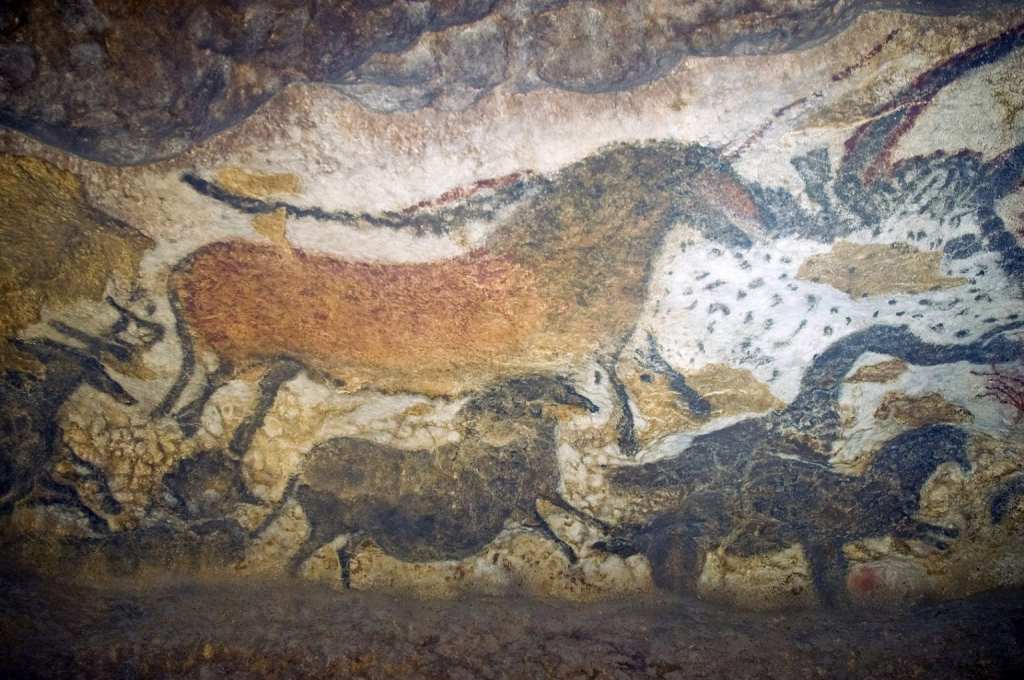
One of the earliest forms of art can be traced back to prehistoric times, when cave paintings were created by early humans. These paintings depict animals, hunting scenes, and various symbols, providing glimpses into the lives of our ancestors.
Ancient Egyptian art is another significant period in art history. The Egyptians used hieroglyphics to communicate through their artwork, which often depicted gods, pharaohs, and scenes from daily life. Their artworks were primarily found in tombs and temples.
In ancient Greece, sculpture played a crucial role in portraying human form and beauty. Sculptures like the Venus de Milo and the Discus Thrower showcased the skillful craftsmanship of Greek artists during this time.
The Renaissance era marked a significant shift in artistic techniques and styles. Artists such as Leonardo da Vinci, Michelangelo, and Raphael emerged during this period with their iconic works that have become timeless masterpieces.
Moving forward to more recent times, modernism challenged traditional notions of representation with artists like Pablo Picasso leading the way with his abstract cubist style. This movement paved the way for various other contemporary art movements such as surrealism, pop art, minimalism, and conceptual art.
Studying art history not only allows us to appreciate beautiful works but also provides insights into historical events and cultural practices. It helps us understand how different societies valued creativity and self-expression at various points in time.
Environmental Science:
Environmental science focuses on understanding our natural world and finding sustainable solutions to environmental challenges we face today. It encompasses interdisciplinary studies that involve biology, chemistry,
physics,
geology,
ecology,
and social sciences
By studying environmental science students learn about ecosystems diversity , resource management , pollution control , climate change , sustainable development and conservation biology.
The goal of environmental science is to create a balance between human activities and the natural environment. It emphasizes the need for sustainable practices that enable us to meet our needs without depleting or damaging Earth’s resources.
One important aspect of environmental science is understanding the impact of human activities on ecosystems. Students learn about deforestation, habitat loss, pollution, and climate change – all consequences of unsustainable human practices. By studying these issues, individuals gain knowledge on how to mitigate negative impacts and promote sustainable solutions.
Additionally, students are introduced to various techniques used in environmental monitoring and assessment. These include measuring air quality, water quality testing,
and soil analysis.
These skills are crucial for identifying environmental problems and developing strategies for their resolution.
Furthermore, environmental science also covers topics like renewable energy sources such as solar power , wind power , hydroelectricity , geothermal energy etc., waste management including recycling,
composting,
and waste reduction
as well as biodiversity preservation through protected areas establishment.
Overall, studying environmental science equips individuals with the knowledge and skills needed to address global environmental challenges. It fosters an understanding of our interconnectedness with nature and empowers us to make informed decisions that promote a healthier planet for future generations
 Alternative Amie
Leave a comment