Self-Directed Learning: A Guide to Empowering Students
Introduction:
In traditional education systems, students often follow a predetermined curriculum and learn at the pace set by their teachers. However, an alternative approach called self-directed learning has gained prominence in recent years. Self-directed learning allows individuals to take control of their own education, tailoring it to their unique interests, goals, and learning styles. This FAQ-style post will provide an overview of self-directed learning, its benefits, challenges, and practical strategies for implementing this approach.
What is self-directed learning?
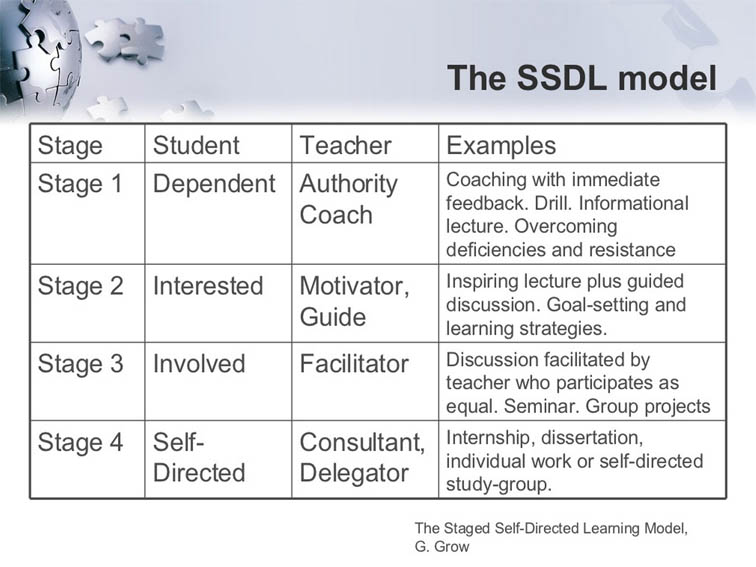
Self-directed learning can be defined as a process where individuals actively take responsibility for planning, monitoring, and evaluating their own learning experiences. Rather than relying solely on formal instruction from teachers or institutions, learners engage in independent exploration and discovery to acquire knowledge.
Benefits of self-directed learning:
1. Personalized Learning:
One of the key advantages of self-directed learning is that it allows students to personalize their educational journey according to their specific needs and interests. They have the freedom to choose what they want to study, how deep they want to delve into a subject matter, and at what pace they wish to progress.
2. Increased Motivation:
When students are given the autonomy to pursue topics that genuinely interest them or align with their career aspirations or personal passions, motivation naturally increases. Self-direction fosters intrinsic motivation as learners gain a sense of ownership over their education.
3. Development of Critical Skills:
Through self-directed learning experiences such as research projects or real-world problem-solving activities, students develop essential skills like critical thinking, decision-making abilities, creativity, time management skills, and self-discipline – all crucial for success in higher education or the workforce.
4. Lifelong Learning Mindset:
By engaging in self-directed learning from an early age through adulthood; individuals cultivate a lifelong love for acquiring new knowledge independently beyond formal schooling years.
Challenges associated with self-directed learning:
While there are numerous advantages to self-directed learning, it is essential to acknowledge the challenges that learners may encounter:
1. Lack of Structure:
Without a set curriculum or strict guidelines, some students might find it challenging to structure their learning effectively. It requires discipline and self-regulation skills to manage time and stay focused on goals.
2. Need for Guidance:
Although self-directed learning promotes autonomy, learners still benefit from guidance and support from educators or mentors. They can provide valuable insights, resources, and feedback that enhance the learning experience.
3. Motivational Hurdles:
While intrinsic motivation can be a driving force in self-directed learning, external factors such as distractions or lack of immediate rewards may hinder progress at times. Overcoming these hurdles requires perseverance and determination.
Strategies for implementing self-directed learning:
1. Goal Setting:
Encourage students to set short-term and long-term goals based on their interests and aspirations. These goals act as roadmaps for their educational journey while providing a sense of direction.
2. Providing Resources:
Offer access to diverse resources like books, online courses, videos, articles, experts in the field through partnerships with local organizations or libraries – enabling students to explore different avenues of knowledge acquisition.
3. Facilitating Collaboration:
Promote opportunities for students to collaborate with peers who share similar interests or goals through discussion groups or project-based activities. Collaboration enhances critical thinking abilities by encouraging multiple perspectives.
4. Continuous Feedback & Reflection:
Regularly provide constructive feedback on student work while encouraging reflective practices that help them evaluate progress against their goals objectively.
5: Encouraging Autonomy Gradually:
For those new to self-directed learning, gradually introduce autonomy by starting with small projects before transitioning into more independent endeavors gradually.
Conclusion:
Self-directed learning empowers students by placing them at the center of their educational experiences. With personalized learning paths tailored to individual needs and passions, learners gain motivation and develop vital skills required in today’s rapidly evolving world. While challenges exist, with the right strategies and support, self-directed learning holds immense potential to transform education and foster a lifelong love for learning.
 Alternative Amie
Leave a comment