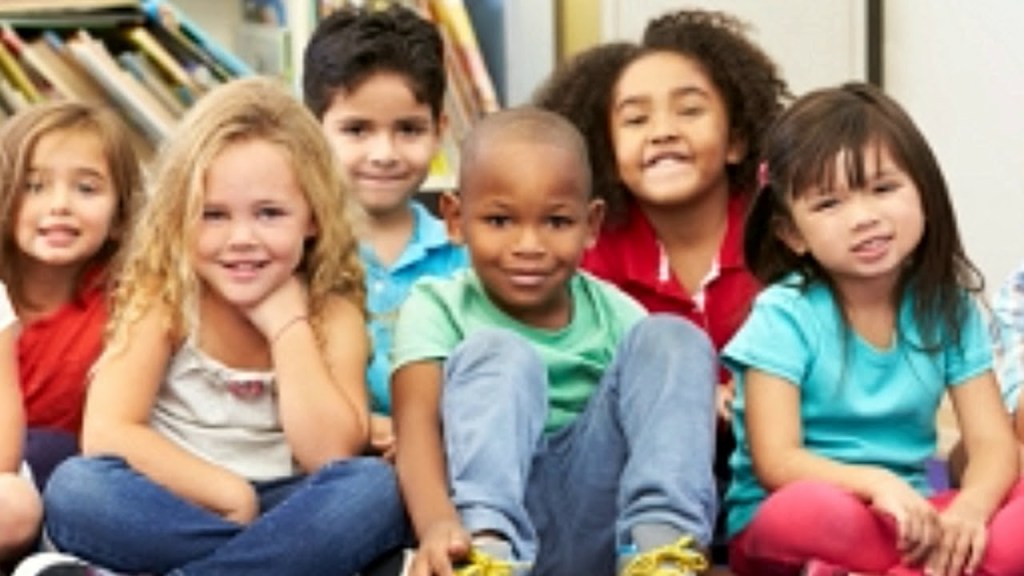
Cultural diversity is a term that refers to the coexistence of different cultures within a society, community, or educational institution. It encompasses various aspects such as race, ethnicity, language, religion, traditions, and customs. In today’s globalized world, cultural diversity plays a vital role in promoting understanding, acceptance, and respect among individuals from different backgrounds. In this Q&A style post, we will delve into the importance of cultural diversity in alternative schooling and education.
Q: Why is cultural diversity important in alternative schooling and education?
A: Cultural diversity enriches the learning experience by exposing students to varied perspectives and ways of life. Here are some key reasons why it is essential:
1. Encourages critical thinking: Exposure to diverse cultures challenges students’ preconceived notions and encourages them to think critically about their own beliefs and values. This fosters open-mindedness and promotes intellectual growth.
2. Enhances empathy and tolerance: Interacting with people from different backgrounds cultivates empathy by enabling students to understand others’ experiences better. It also nurtures tolerance for different opinions and lifestyles.
3. Prepares students for the global workforce: In an increasingly interconnected world where international collaboration is prevalent across industries, having an understanding of different cultures becomes a valuable asset for future professionals.
4. Promotes creativity: Embracing cultural diversity sparks creativity as it exposes students to new ideas, art forms, music styles, cuisines, etc., thereby broadening their creative horizons.
5. Reduces prejudice and discrimination: Education rooted in cultural diversity helps break down stereotypes by fostering positive relationships among individuals from diverse backgrounds.
Q: How can alternative schools promote cultural diversity?
A: Alternative schools have unique opportunities to embrace cultural diversity due to their flexible curriculum structures:
1. Integrate multicultural content into the curriculum: Alternative schools can include multicultural literature or history classes that highlight contributions made by various cultures around the world.
2. Celebrate diversity through events and activities: Organizing cultural festivals, art exhibitions, or food fairs can provide a platform for students to showcase their cultural heritage and learn about others’ traditions.
3. Encourage diverse perspectives in discussions: Alternative schools should create a safe space for students to express their opinions and engage in respectful dialogue on topics related to culture, race, and ethnicity.
4. Foster partnerships with diverse communities: Collaborating with local organizations representing different cultures can provide opportunities for students to interact with individuals from various backgrounds.
Q: How can teachers support cultural diversity in alternative classrooms?
A: Teachers play a crucial role in promoting cultural diversity within alternative classrooms:
1. Create an inclusive environment: Establishing an inclusive classroom where every student feels valued regardless of their cultural background is essential. This includes incorporating culturally sensitive teaching materials and avoiding stereotypes.
2. Incorporate multicultural teaching strategies: Teachers should use instructional strategies that cater to diverse learning styles and incorporate examples from different cultures into lesson plans.
3. Facilitate cross-cultural exchanges: Encourage open discussions among students from different backgrounds, allowing them to share experiences, beliefs, customs, etc., fostering mutual understanding.
4. Professional development for teachers: Offering training programs or workshops on cultural competence equips teachers with the necessary knowledge and skills to effectively navigate cultural differences within the classroom setting.
Q: What are some challenges associated with embracing cultural diversity in alternative schooling?
A: While the benefits of embracing cultural diversity are immense, there may be challenges along the way:
1. Language barriers: In classrooms where students speak different languages as their first language, communication might become challenging. Implementing language support programs or hiring multilingual staff could address this issue.
2. Bias and discrimination awareness: Addressing bias among both faculty members and students is crucial since prejudice can hinder the acceptance of other cultures within educational settings.
3. Lack of resources or representation: Some alternative schools may struggle with finding adequate resources that accurately represent diverse cultures. Efforts should be made to ensure that all students’ cultures are acknowledged and represented.
4. Resistance to change: Embracing cultural diversity may face resistance from individuals who are resistant to change or hold prejudiced beliefs. Creating a culture of acceptance and understanding through education and open dialogue can help address this challenge.
In conclusion, embracing cultural diversity in alternative schooling and education is crucial for preparing students to thrive in a globalized world. It fosters empathy, critical thinking, tolerance, creativity, and reduces prejudice. By integrating multicultural content into the curriculum, celebrating diversity through events, and nurturing inclusive environments, alternative schools can provide enriching educational experiences for their students. Teachers play a vital role in supporting cultural diversity by creating inclusive classrooms, incorporating multicultural teaching strategies, facilitating cross-cultural exchanges, and undergoing professional development on cultural competence. Though there may be challenges associated with embracing cultural diversity within alternative schooling settings such as language barriers or bias awareness issues; overcoming these challenges ensures a more inclusive learning environment where every student’s culture is acknowledged and valued.
 Alternative Amie
Leave a comment