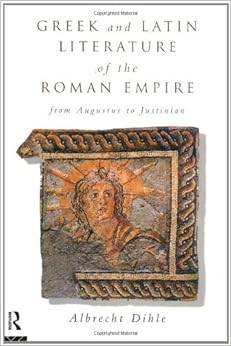
Greek and Roman literature have played a significant role in shaping the foundation of Western literature. These ancient civilizations produced some of the most influential works that continue to inspire and captivate readers today. From epic poems to philosophical treatises, Greek and Roman literature offer a rich tapestry of storytelling, moral lessons, and historical insights.
One of the most celebrated works of Greek literature is Homer’s “Iliad” and “Odyssey.” These epic poems chronicle the Trojan War and the subsequent adventures of Odysseus as he tries to return home after the war. The “Iliad” explores themes such as honor, heroism, fate, and the consequences of war. Meanwhile, the “Odyssey” takes readers on a thrilling journey filled with mythical creatures, gods, and challenges that test Odysseus’ resilience.
Another notable work is Sophocles’ tragedy “Oedipus Rex.” This play tells the story of Oedipus, who unknowingly fulfills a prophecy by killing his father and marrying his mother. It delves into themes like fate versus free will and explores complex psychological dynamics within families. “Oedipus Rex” showcases Sophocles’ mastery in creating gripping narratives with timeless relevance.
Moving on to Roman literature, Virgil’s epic poem “The Aeneid” stands out for its depiction of Aeneas’ quest to establish Rome after fleeing from Troy. Inspired by Homer’s epics but infused with Roman values and mythology, Virgil weaves together an engaging narrative that emphasizes piety and duty towards one’s country. Additionally, this work plays a crucial role in understanding Rome’s national identity as it connects their origins to mythic legends.
The philosopher Seneca contributed greatly to Roman literature through his plays such as “Medea” or “Phaedra.” These tragedies explore human nature through intense emotional experiences driven by love or revenge. Seneca’s works delve into the depths of human psychology, emphasizing the consequences of unchecked passions and moral dilemmas. His plays continue to be studied for their profound insights into the human condition.
Lastly, we cannot overlook the contributions of Roman philosophers such as Cicero and Marcus Aurelius. Cicero’s philosophical treatises, like “On Duties” and “On Friendship,” provide readers with practical advice on living a virtuous life. Marcus Aurelius’ “Meditations” offers personal reflections on Stoic philosophy, exploring themes such as self-discipline, acceptance of one’s fate, and finding inner peace amidst external chaos.
Greek and Roman literature have left an indelible mark on Western culture. Their stories continue to inspire countless adaptations in various forms of media today. These ancient works explore universal themes that resonate across time and cultures – from love and war to honor and morality. By studying these literary masterpieces, students gain insight into the values and beliefs that shaped these civilizations while also developing a deeper understanding of humanity itself.
 Alternative Amie
Leave a comment