Learning Styles and Preferences: Embracing Individuality in Education
Education is a journey that should be tailored to meet the needs of each individual student. As we understand more about how people learn, it becomes increasingly important to recognize and embrace the diversity of learning styles and preferences among students. By doing so, we can create an inclusive educational environment where everyone has the opportunity to thrive.
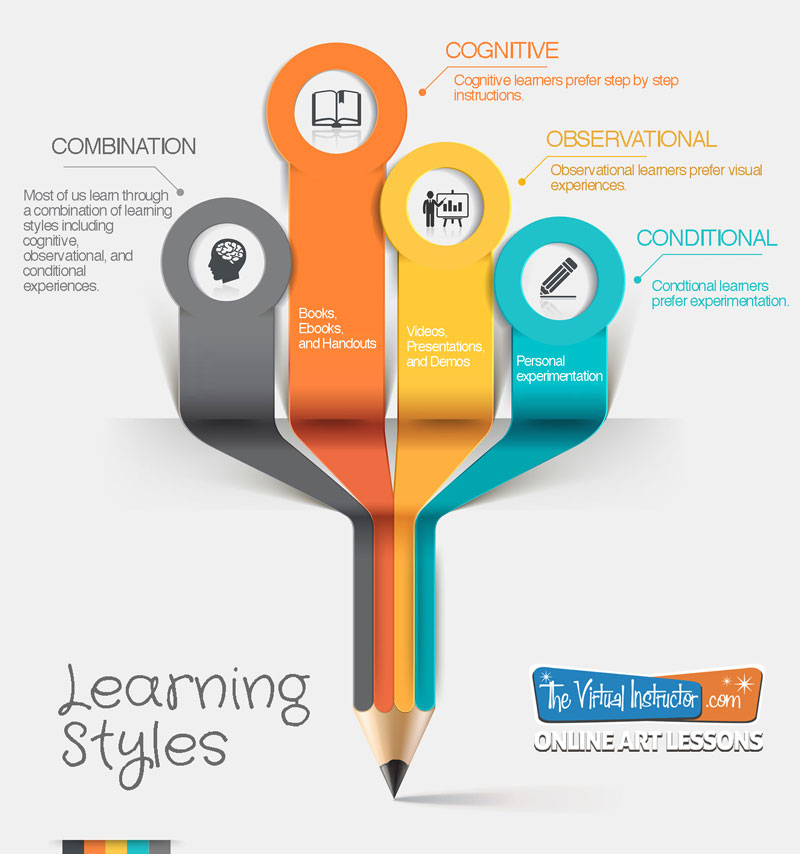
One commonly recognized theory on learning styles is the VARK model, which categorizes individuals into four main types: visual, auditory, reading/writing, and kinesthetic learners. Visual learners prefer to see information presented visually through charts, diagrams, or images. Auditory learners learn best when information is spoken or heard. Reading/writing learners excel at processing written text while kinesthetic learners prefer hands-on experiences and physical activities.
It’s important to note that these categories are not rigid boxes but rather serve as starting points for understanding how individuals may absorb and process information differently. Many people exhibit a mix of learning styles or may have unique preferences that don’t fit neatly into one category.
By recognizing and respecting these differences in learning styles and preferences, educators can adapt their teaching methods accordingly. For visual learners, incorporating visual aids such as videos or infographics can enhance their understanding of complex concepts. Auditory learners benefit from listening to lectures or participating in group discussions where they can engage with the material through conversation. Reading/writing learners thrive when provided with written materials like textbooks or handouts that they can analyze and take notes from. Kinesthetic learners flourish when given opportunities for hands-on experiments or projects that allow them to physically interact with what they’re learning.
Beyond just adapting teaching methods based on learning styles, it’s crucial for educators to encourage students to explore their own preferences for learning. Some students may find that they learn best in quiet spaces away from distractions while others might thrive in collaborative environments where ideas are actively shared and discussed.
Alternative schooling approaches often prioritize individualized learning plans that cater to students’ unique needs and interests. These approaches allow students to take ownership of their education, empowering them to follow personalized paths that align with their learning styles and preferences.
In conclusion, embracing diverse learning styles and preferences is essential for creating an inclusive educational environment. By recognizing the various ways in which individuals absorb and process information, educators can adapt teaching methods accordingly. It’s important to encourage students to explore their own preferences for learning while providing alternative schooling options that prioritize individualized learning plans. Ultimately, when we embrace individuality in education, we empower each student to reach their full potential on their unique journey of discovery and growth.
 Alternative Amie
Leave a comment