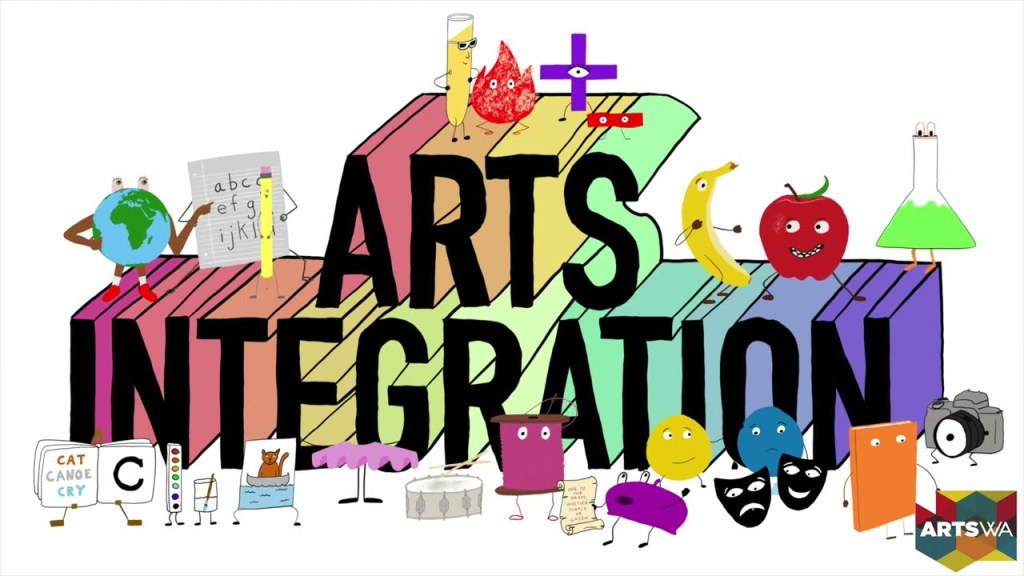
Arts Integration: Unlocking the Potential of Alternative Education
Introduction:
Alternative schooling and education have gained popularity in recent years as a way to provide more diverse learning experiences for students. One approach that has shown great promise is arts integration, which combines traditional academic subjects with various art forms. This panel discussion will delve into the benefits of arts integration in alternative education settings and explore how it can unlock the potential of students.
Panelists:
1. Dr. Sarah Thompson – Education Researcher
2. Mr. Michael Davis – Visual Arts Teacher
3. Ms. Rachel Patel – Music Instructor
4. Mrs. Emily Johnson – Language Arts Educator
Moderator: Thank you all for joining us today to discuss this important topic of arts integration in alternative education! Let’s start by exploring some of the advantages that integrating arts brings to the learning environment.
Dr. Thompson: Thank you for having me here! Research consistently shows that incorporating arts into core subjects helps engage students on multiple levels, enhancing their understanding and retention of information.
Mr. Davis: Absolutely! Visual arts, for example, encourage creativity, critical thinking skills, problem-solving abilities, and even empathy among students.
Ms. Patel: I completely agree! Music has a similar impact on cognitive development and emotional well-being—it fosters collaboration and enhances memory and concentration.
Mrs.Johnson: As a language arts teacher, I’ve found that integrating drama or storytelling techniques into our lessons not only improves reading comprehension but also builds communication skills and self-confidence among my students.
Moderator: It’s clear that the benefits are extensive when we incorporate the arts into alternative education settings! Could you share any specific examples or success stories from your own experiences?
Dr.Thompson: In one study conducted at an alternative high school, we found that incorporating dance into science lessons increased student engagement significantly compared to traditional instruction methods alone.
Mr.Davis: At my school, we organized an art exhibition where students showcased their work inspired by historical events. It not only deepened their understanding of history but also gave them a platform to express themselves creatively.
Ms.Patel: I remember working with a group of at-risk students who struggled academically. We used songwriting as a way for them to process their emotions and connect with academic content, resulting in improved attendance and increased motivation.
Mrs.Johnson: In my language arts class, we often integrate role-playing activities into literature discussions. This allows students to step into the shoes of different characters, encouraging empathy and deeper analysis of the text.
Moderator: These examples highlight how arts integration can truly transform the learning experience for students in alternative education settings! Are there any challenges or misconceptions you’ve encountered when implementing arts integration?
Dr.Thompson: One common challenge is overcoming resistance from educators who may view art as separate from academics. Educating teachers about the benefits and providing proper training can help address this misconception.
Mr.Davis: Funding for art supplies and resources is another hurdle we often face. However, creative solutions such as partnering with local artists or seeking grants have helped us overcome these financial constraints.
Ms.Patel: Some parents may worry that incorporating arts will distract from core subjects. Communicating with parents about the research-backed advantages and showcasing student work can alleviate these concerns.
Mrs.Johnson: Additionally, it’s crucial to ensure that integrating arts doesn’t become an add-on but rather an integral part of curriculum planning. Collaboration among teachers is key to achieving successful implementation.
Conclusion:
Arts integration has shown immense potential in unlocking student engagement, creativity, critical thinking skills, emotional well-being, and conceptual understanding within alternative education settings. By embracing arts across various disciplines, educators can create dynamic learning environments that cater to diverse learning styles while fostering holistic development among students. As alternative schooling continues to evolve, incorporating arts integration practices should be considered an essential component in shaping the future of education.
 Alternative Amie
Leave a comment