Introduction:
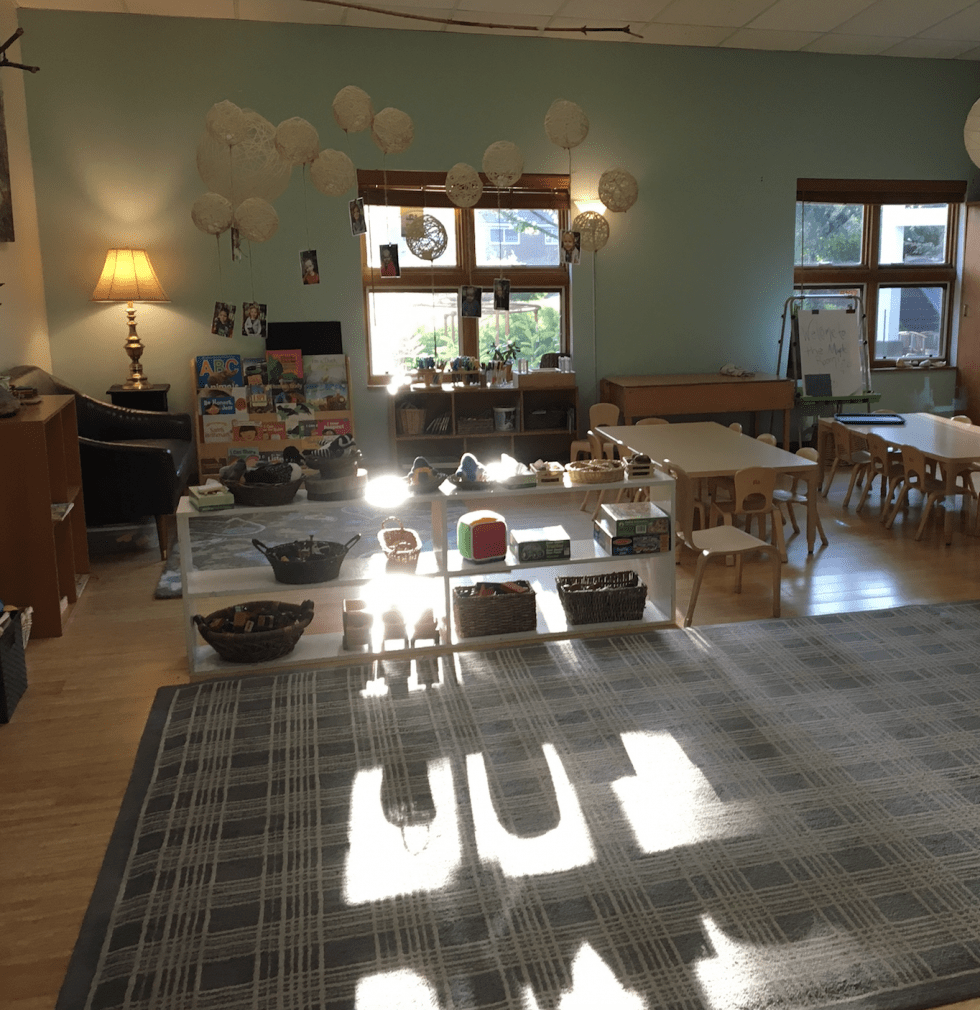
In the realm of education, there is a growing recognition that learning does not solely happen within the confines of a classroom. The environment itself has the power to act as a teacher and foster meaningful educational experiences. This concept, known as “the environment as the third teacher,” emphasizes the role of the physical surroundings in promoting exploration, curiosity, and discovery. In this article, we will explore how the environment can be harnessed as an invaluable tool for alternative schooling and education.
1. Creating Natural Learning Spaces:
Many traditional classrooms are sterile and uniform environments that stifle creativity and engagement. Alternatively, natural learning spaces utilize elements such as plants, natural light, and colors to create an inviting atmosphere that promotes learning. By incorporating nature into educational settings, students are more likely to feel inspired while connecting with their surroundings.
Outdoor classrooms or garden spaces offer unique opportunities for hands-on learning experiences. Students can engage in gardening activities, observe wildlife habitats firsthand, or conduct scientific experiments amidst nature’s wonders. These spaces encourage active participation rather than passive absorption of knowledge.
2. Sensory Stimulation:
The environment also plays a vital role in stimulating our senses – sight, touch, smell, taste,
and hearing – which significantly impact human learning processes. Alternative schools often harness sensory stimulation by incorporating various textures like sand trays or water tables for tactile exploration or using calming scents like lavender during relaxation exercises.
Visual cues such as colorful displays or artwork on walls capture attention and create visual interest within the space. Similarly, ambient sounds like soft music or natural soundscapes can enhance focus and concentration while providing a soothing backdrop for learning activities.
3. Promoting Independence:
Alternative schooling models often prioritize fostering independence among students by allowing them to take ownership of their own education journey actively.
The physical environment can support this goal by offering choices that facilitate decision-making skills.
Flexible seating arrangements allow students to choose where they work best – be it sitting on the floor, at a standing desk, or in a cozy reading nook. This autonomy empowers learners to make decisions based on their individual needs and preferences, ultimately enhancing their engagement and motivation.
4. Provoking Inquiry:
An environment designed to provoke inquiry encourages students to ask questions, explore ideas further, and develop critical thinking skills.
Inquiry-based learning spaces often feature open-ended materials such as loose parts (e.g., wooden blocks, stones) that invite students to manipulate and construct according to their own imaginations. These materials promote problem-solving abilities while fostering creativity and innovation.
Displaying documentation of ongoing projects or student work also provokes curiosity among learners. By showcasing the process rather than just the final outcome, students are encouraged to reflect upon their own learning journeys while inspiring others.
5. Connecting with Nature:
Environmental education is inherently linked with sustainable practices and ecological literacy.
By immersing students in nature-rich surroundings, alternative schools can instill an appreciation for the natural world from a young age.
Outdoor excursions or field trips allow for hands-on experiences in natural environments like forests,
beaches, or wetlands. These experiences provide opportunities for ecological exploration while nurturing environmental stewardship values.
Additionally, incorporating sustainability practices within school premises – such as recycling programs,
composting stations, or renewable energy sources – reinforces the importance of responsible citizenship
and caring for our planet.
6. Supporting Social Interactions:
The environment significantly influences social interactions between individuals within educational settings.
Alternative schools prioritize collaboration and community-building among students by designing spaces that facilitate communication and cooperation.
Clustered seating arrangements encourage group work and discussions while providing opportunities for peer-to-peer interaction.
Common areas like libraries or communal kitchens foster shared experiences where students can engage
in conversations beyond academic subjects – developing interpersonal skills along the way.
Conclusion:
Recognizing the environment as the third teacher opens up endless possibilities for alternative schooling models to create dynamic educational spaces that inspire lifelong learning. By intentionally designing physical surroundings that promote exploration, sensory stimulation, independence, inquiry, and connection with nature, educators empower students to become active participants in their own education journey. The environment becomes a powerful tool for fostering curiosity, critical thinking skills, and a deep appreciation for the world around us – ultimately shaping well-rounded individuals ready to tackle the challenges of the future.
 Alternative Amie
Leave a comment