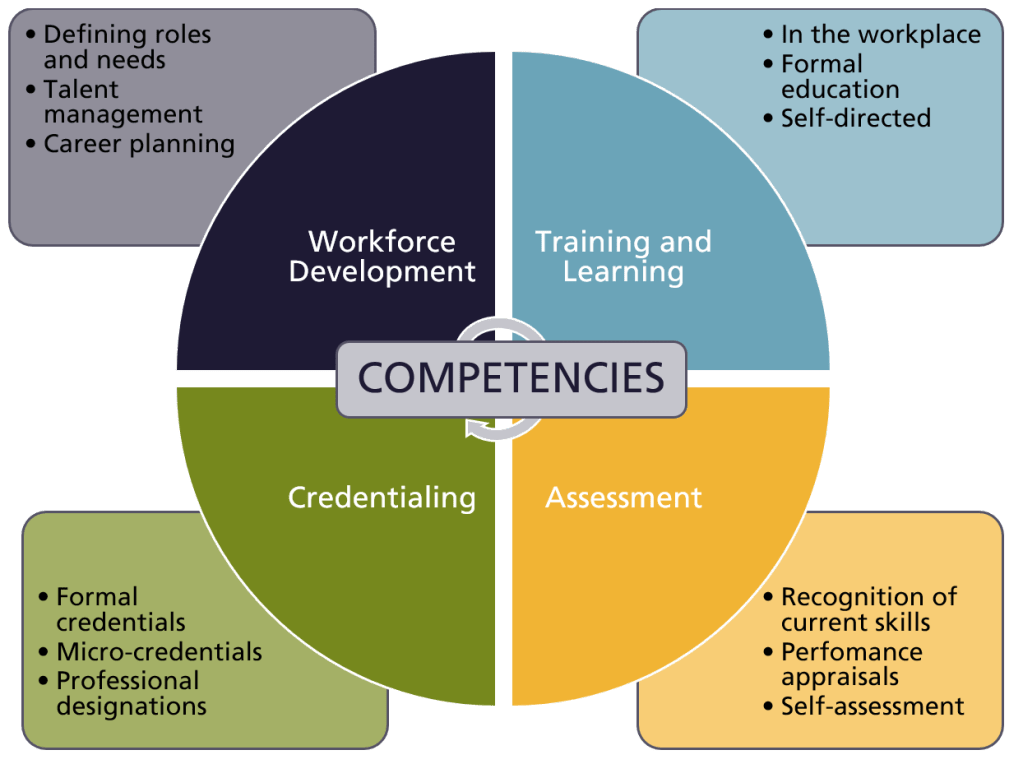
Competency-based professional development for teachers and staff members has become a vital component of alternative schooling and education. This approach focuses on the specific skills and knowledge required for educators to excel in their roles, emphasizing personalized learning and growth. By shifting away from traditional one-size-fits-all models, competency-based professional development ensures that teachers are equipped with the necessary tools to meet the diverse needs of students.
One of the key advantages of competency-based professional development is its flexibility. Rather than attending generic workshops or trainings, teachers can engage in targeted learning experiences that align with their individual goals and areas for improvement. For example, a teacher who wants to enhance their classroom management skills can pursue modules or coaching sessions specifically designed for this purpose.
Furthermore, competency-based professional development promotes continuous learning throughout an educator’s career. It encourages regular self-reflection and assessment of strengths and weaknesses, allowing individuals to identify areas where they need further growth. This focus on ongoing improvement helps create a culture of excellence within schools by fostering a commitment to lifelong learning among staff members.
Another significant benefit lies in the emphasis on practical application. Competency-based professional development moves beyond theoretical concepts by providing opportunities for hands-on practice in real-life teaching situations. Teachers can implement new strategies directly into their classrooms, receive feedback from peers or coaches, reflect on their experiences, and make adjustments as needed. This iterative cycle allows them to refine their instructional practices effectively.
Moreover, competency-based professional development recognizes the importance of collaboration and peer support in enhancing teacher effectiveness. By engaging with colleagues who share similar goals or challenges, educators can exchange ideas, troubleshoot problems together, offer feedback based on firsthand experiences, and establish a network that fosters continuous growth beyond formal training sessions.
In conclusion, competency-based professional development offers a more personalized approach to supporting teachers’ growth within alternative schooling environments. Its flexible nature enables educators to target specific areas for improvement while promoting ongoing learning throughout their careers. The emphasis on practical application ensures that new strategies are not just learned but also implemented, refined, and adapted to meet the unique needs of students. Finally, by fostering collaboration and peer support, this approach encourages a culture of continuous improvement within schools. As alternative schooling and education continue to evolve, competency-based professional development will play a crucial role in equipping teachers with the skills they need to excel in their roles and provide high-quality education for all students.
 Alternative Amie
Leave a comment