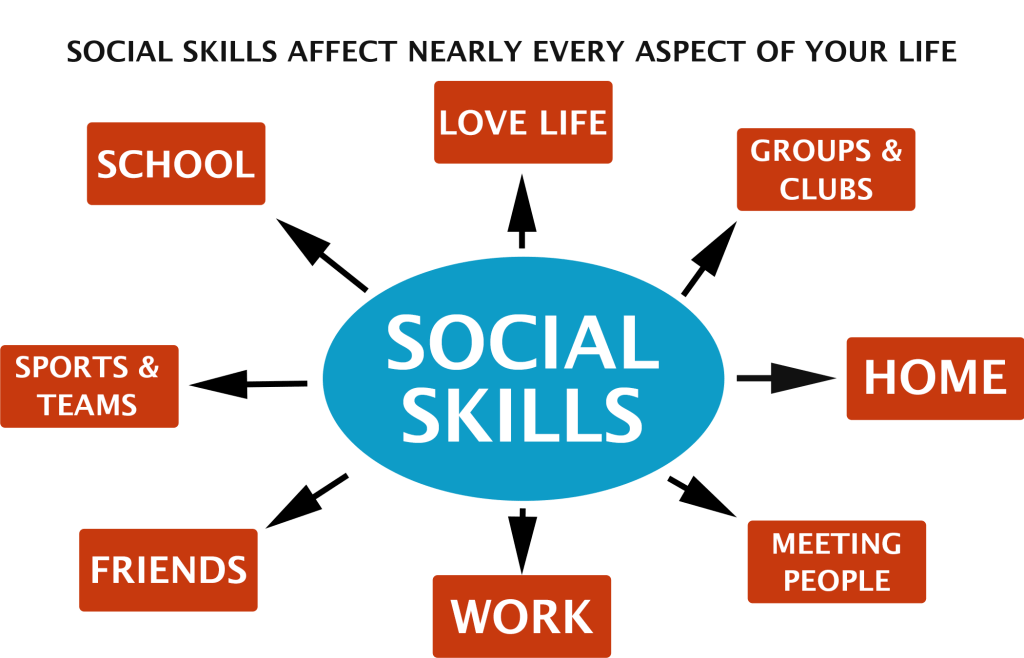
Social Skills Development: Nurturing the Whole Child
Education is often thought of as the acquisition of academic knowledge and skills. While this is undeniably important, it is equally vital to recognize that education goes beyond textbooks and classrooms. Social skills development plays a crucial role in shaping well-rounded individuals who are equipped to navigate the complexities of life.
In traditional schooling systems, socialization has typically been limited to recess breaks or extracurricular activities. However, alternative forms of education have recognized the significance of intentionally fostering social skills alongside academic learning. These approaches prioritize creating environments where students can develop strong interpersonal connections, effective communication abilities, empathy, and conflict resolution strategies.
One way alternative schooling promotes social skills development is through small class sizes and mixed-age groupings. By placing students with peers from different age groups, children learn to interact with individuals at various stages of physical, emotional, and intellectual development. This fosters a sense of inclusivity and empathy while encouraging older students to mentor younger ones.
Another key aspect is incorporating cooperative learning activities into the curriculum. These activities require students to work together towards a common goal or solve problems collectively. Whether it’s a science experiment or an artistic project, cooperative learning encourages teamwork, cooperation, compromise, and effective communication – all essential components for successful collaboration in adult life.
Alternative schools also emphasize community involvement by engaging students in service-learning projects within their local communities. Through volunteering or internships, young learners gain exposure to diverse populations outside their immediate circles while developing compassion and understanding for those facing challenges they may not be familiar with. Such experiences cultivate empathy towards others’ struggles while nurturing a sense of responsibility towards making positive contributions to society.
Moreover,
alternative schools place great emphasis on cultivating emotional intelligence (EI) among students as part of their social skills development program.
EI encompasses self-awareness,
self-regulation,
motivation,
empathy,
and
social awareness.
By focusing on these aspects, students learn to manage their emotions effectively, develop healthy coping mechanisms, and empathize with others’ feelings – skills that are crucial in building meaningful relationships and resolving conflicts constructively.
It is worth noting that social skills development extends beyond the classroom walls. Alternative schools often encourage regular parent involvement by organizing workshops or events that foster open communication between parents, teachers, and students. This collaboration helps create a cohesive support system for children’s overall growth and development.
Lastly,
alternative schools recognize the importance of creating safe and inclusive spaces where diversity is celebrated. By nurturing an environment where differences are appreciated rather than feared or judged,
students develop cultural competence,
open-mindedness,
and respect for others.
This not only prepares them to thrive in multicultural societies but also equips them with the tools to challenge discrimination and advocate for equity throughout their lives.
In conclusion,
social skills development is an essential component of holistic education. Alternative schooling approaches prioritize fostering interpersonal connections, effective communication abilities, empathy, and conflict resolution strategies alongside academic learning. By incorporating small class sizes, mixed-age groupings, cooperative learning activities, community involvement projects, emotional intelligence cultivation programs, parental engagement opportunities, and promoting inclusivity and diversity within school communities – alternative schools provide young learners with a comprehensive foundation for navigating the complexities of adult life successfully.
 Alternative Amie
Leave a comment