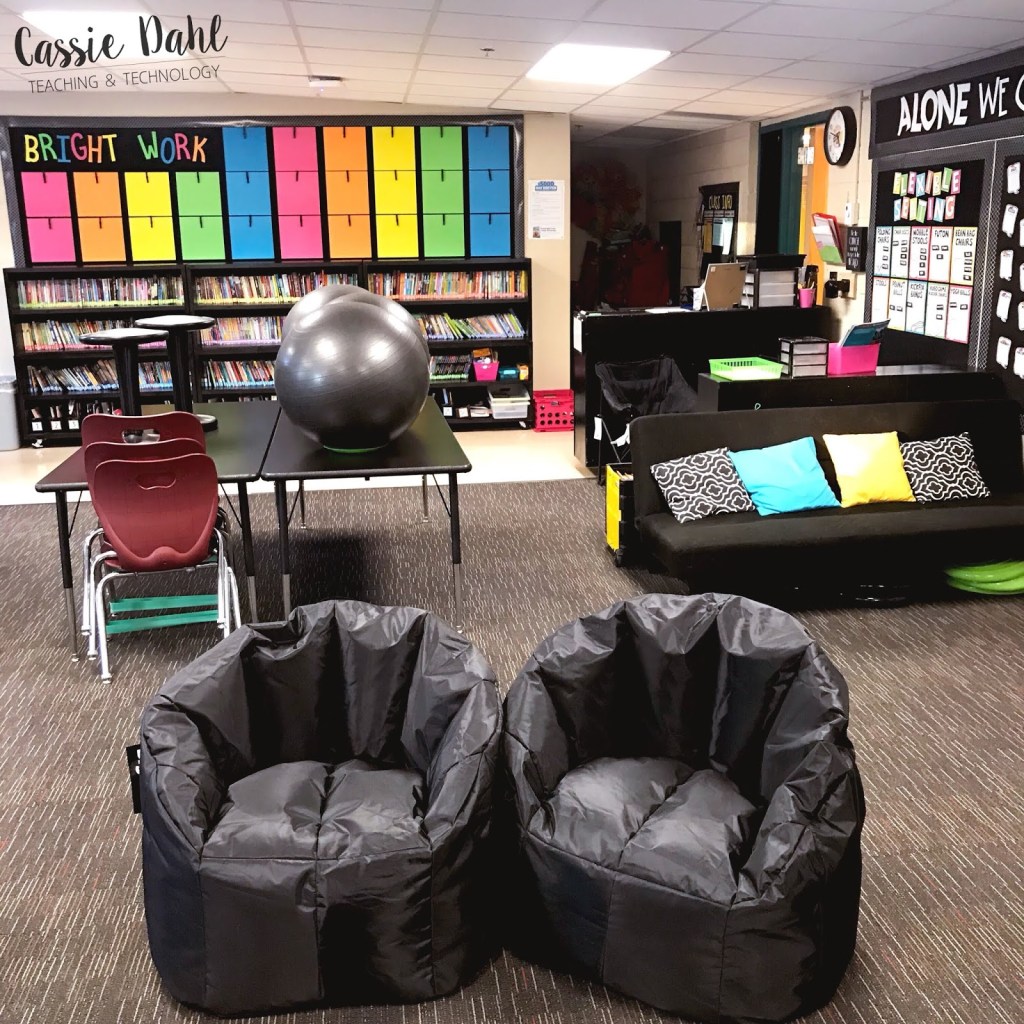
Incorporating Movement into Flexible Seating Arrangements
In recent years, the concept of flexible seating has gained popularity in classrooms around the world. This innovative approach to learning allows students to choose where and how they sit, promoting independence and autonomy. However, as educators continue to explore the benefits of this teaching method, it is crucial not to overlook one important aspect: movement.
While flexible seating encourages students to find their preferred sitting positions, it’s essential to recognize that humans are not designed for prolonged periods of sitting. Incorporating movement into these arrangements can provide numerous benefits for both physical health and cognitive development.
One way to introduce movement into flexible seating is by incorporating standing desks or adjustable-height tables. These options allow students to alternate between sitting and standing throughout the day. Research has shown that standing while working improves blood circulation, increases energy levels, and enhances focus. By giving students the freedom to switch positions whenever they feel restless or fatigued, we are actively supporting their overall well-being.
Another effective strategy is integrating exercise balls or wobble cushions into the seating options. These dynamic alternatives engage core muscles and promote better posture while providing a subtle form of movement during class time. Students can bounce gently on exercise balls or shift their weight on wobble cushions without causing disruptions or distractions in the classroom environment.
To take movement a step further, consider implementing periodic brain breaks during lessons. Short bursts of physical activity have been proven to enhance concentration and memory retention among learners of all ages. Teachers can lead quick exercises like jumping jacks, stretching routines, or even dance breaks – anything that gets students up on their feet and moving will do wonders for rejuvenating their minds.
Additionally, incorporating sensory tools such as fidget toys can be highly beneficial for kinesthetic learners who may struggle with staying focused solely through auditory or visual means. Fidget toys provide an outlet for excess energy while still allowing individuals to engage in learning activities effectively. These small, handheld devices can be discreetly used by students without causing disruptions to their classmates.
Moreover, outdoor learning spaces should not be overlooked when considering movement in flexible seating arrangements. Taking the class outside for lessons or incorporating nature into the classroom environment has been proven to enhance creativity, reduce stress levels, and increase overall engagement. Whether it’s reading under a tree or having discussions in an open-air setting, giving students access to fresh air and natural surroundings is incredibly beneficial for their physical and mental well-being.
Lastly, it’s important to encourage movement breaks even during independent study periods. Students can benefit from short intervals of physical activity or stretching exercises between tasks to re-energize themselves and maintain focus throughout the day.
Incorporating movement into flexible seating arrangements is not just about keeping students physically active; it also enhances cognitive abilities and contributes to better overall academic performance. By providing various options for movement within the classroom – such as standing desks, exercise balls, brain breaks, fidget toys, outdoor learning spaces, and encouraging regular stretch breaks – educators empower students with the freedom to choose what works best for them while promoting healthy habits that will last a lifetime.
So let’s embrace flexibility in both seating arrangements and movement opportunities within our classrooms – because education isn’t just about sitting still; sometimes we need to wiggle our way towards success!
 Alternative Amie
Leave a comment