Peer Assessment for Self-Directed Learning: Fostering Growth and Empowering Students
Traditional education has long been criticized for its one-size-fits-all approach, where students are expected to conform to a predetermined curriculum and assessment methods. However, in recent years, there has been a growing shift towards alternative schooling and education models that prioritize self-directed learning. One powerful tool that supports this approach is peer assessment.
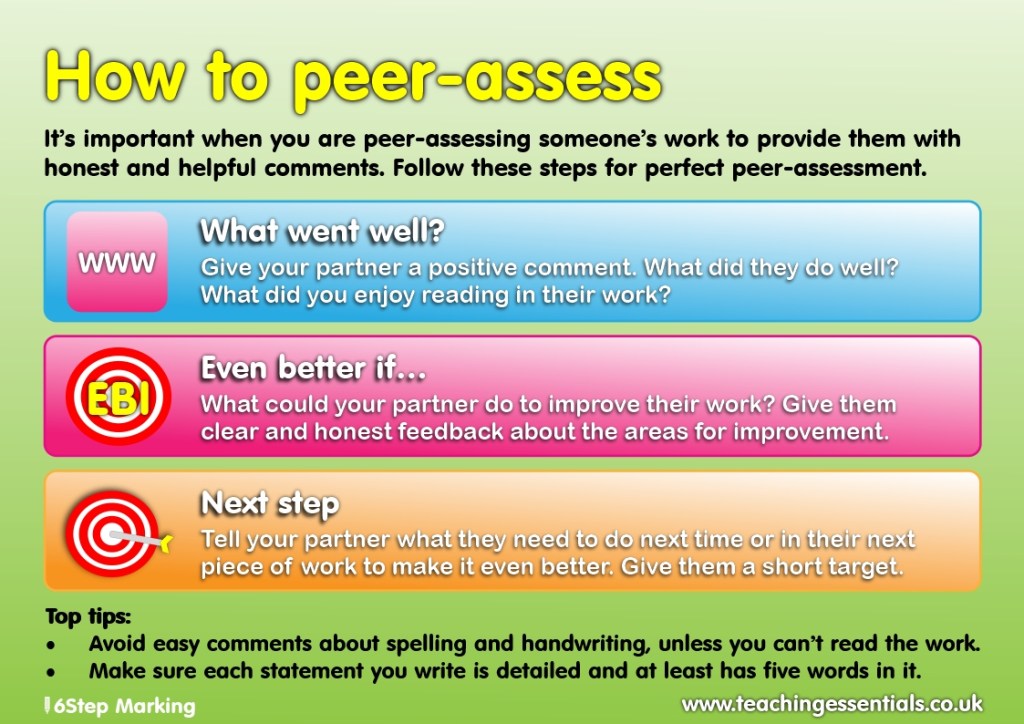
Peer assessment involves students evaluating the work of their peers against set criteria or rubrics. It not only encourages active engagement with the subject matter but also strengthens critical thinking skills, fosters collaboration, and provides valuable feedback for improvement. In this commentary-style post, we will explore the benefits of peer assessment in self-directed learning environments.
Promoting Active Engagement
Self-directed learning revolves around student agency and autonomy. By involving students in assessing their peers’ work, they become active participants in their own education journey rather than passive recipients of knowledge. This hands-on experience stimulates curiosity and motivation as students take ownership of their learning process.
When engaging in peer assessment, learners must thoroughly analyze the work they are evaluating against specific criteria. This deepens understanding as they actively apply concepts learned during instruction or research to evaluate others’ performance. Consequently, it instills a sense of responsibility toward their own progress while fostering empathy and respect for diverse perspectives.
Developing Critical Thinking Skills
Critical thinking is an essential skill needed to navigate an increasingly complex world. Peer assessment necessitates thoughtful analysis as students evaluate the strengths and weaknesses of their peers’ work objectively. They learn to identify logical inconsistencies, gaps in reasoning, or areas requiring further development.
By engaging critically with others’ work through peer assessments, students refine their ability to think independently and develop evidence-based arguments to support their evaluations effectively. This practice sharpens analytical skills while encouraging open-mindedness – an invaluable trait when approaching different subjects or encountering new ideas.
Creating Collaborative Learning Environments
Collaboration is a key component of self-directed learning, as it exposes students to diverse perspectives and enriches their understanding. Peer assessment fosters collaboration by encouraging students to work together in evaluating and providing feedback on each other’s work.
During the assessment process, learners engage in discussions, debates, and negotiations with their peers. This collaborative environment promotes active participation and encourages cooperative problem-solving. Through constructive dialogue, students develop strong communication skills while honing their ability to articulate ideas clearly and persuasively.
Additionally, peer assessment cultivates a supportive classroom culture where students learn from one another. It breaks down hierarchical barriers traditionally associated with teacher-student relationships by recognizing that knowledge can be co-constructed among peers in an inclusive learning community.
Providing Valuable Feedback
Feedback plays a crucial role in any learning process. Traditional education often relies heavily on teacher-provided feedback, which may not always be timely or personalized due to time constraints. Peer assessment addresses this limitation by offering additional sources of valuable feedback throughout the learning journey.
When assessing their peers’ work, students must provide constructive criticism along with positive reinforcement based on predetermined criteria or rubrics. This exercise challenges them to critically evaluate others’ strengths and weaknesses while enhancing their own evaluative skills.
Receiving feedback from peers can be particularly beneficial for student growth as it provides different perspectives and insights compared to those offered by teachers alone. Peers are more likely to understand the struggles faced by fellow learners since they share similar experiences within the course or program.
Incorporating peer feedback into self-reflection allows students to identify areas for improvement effectively. They gain a deeper awareness of their own strengths and weaknesses while developing resilience through constructive criticism – an essential skill for lifelong learning.
Overcoming Challenges
While peer assessment offers numerous advantages for self-directed learning environments, certain challenges must be addressed for its effective implementation:
1. Clear Expectations: To ensure fairness and consistency during assessments, clear guidelines should be provided to students regarding the criteria, expectations, and grading process.
2. Training and Support: Students may require guidance on how to provide constructive feedback effectively. Offering training sessions or resources can help develop their assessment skills.
3. Rubric Design: Well-designed rubrics are crucial for accurate assessments and meaningful feedback. Teachers should invest time in creating detailed rubrics that align with learning objectives.
4. Peer Evaluation Bias: Students must be mindful of potential biases while evaluating peers’ work. Implementing anonymous assessments or incorporating multiple evaluators can mitigate bias concerns.
Conclusion
Peer assessment is a powerful tool that empowers students in self-directed learning environments by promoting active engagement, developing critical thinking skills, fostering collaboration, and providing valuable feedback. It complements alternative schooling and education models seamlessly by shifting the focus from teacher-led instruction to student agency.
By actively involving learners in assessing their peers’ work, we create an inclusive educational environment where students become active participants in shaping their own education journey. Peer assessment not only enhances subject understanding but also equips students with transferable skills necessary for success beyond the classroom – skills like critical thinking, effective communication, collaboration, and resilience.
As educators embrace alternative models of schooling and education characterized by self-directed learning principles, peer assessment emerges as a powerful means to nurture growth mindset and empower learners on their path towards lifelong learning.
 Alternative Amie
Leave a comment