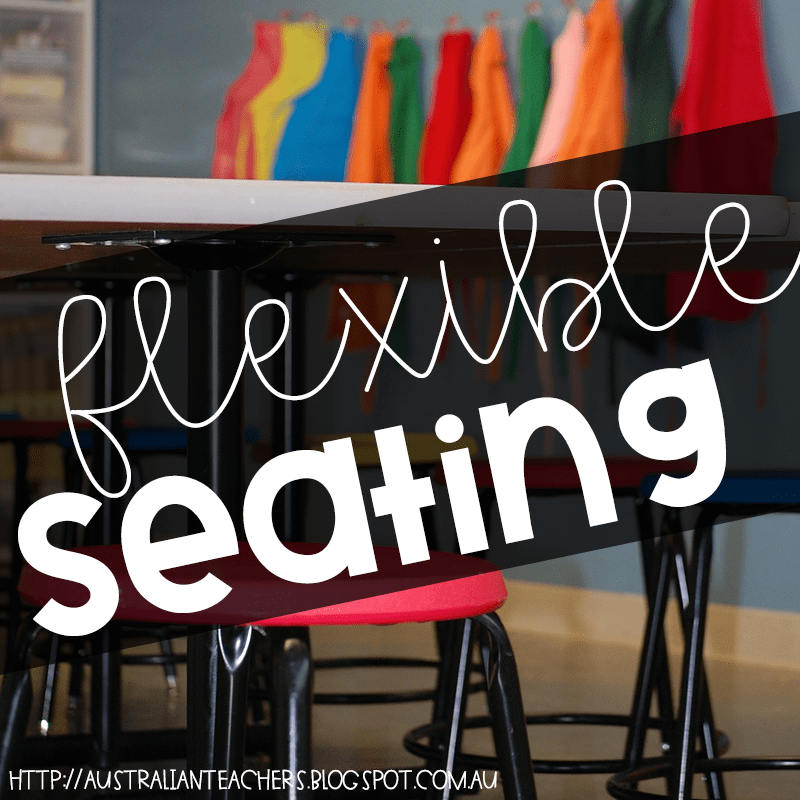
Accessible Seating Options for Students with Disabilities
As educators and administrators, it is our responsibility to ensure that all students have equal access to education. This includes providing appropriate seating options for students with disabilities. Accessible seating not only promotes inclusivity and diversity but also creates a comfortable learning environment where every student can thrive. In this article, we will explore various accessible seating options that can be implemented in schools to accommodate the needs of students with disabilities.
1. Adjustable Desks and Tables
One of the most common and effective solutions for providing accessible seating is through adjustable desks and tables. These specialized furniture pieces allow students to adjust the height according to their specific needs, ensuring proper alignment of their bodies while studying or working on assignments.
For wheelchair users, adjustable desks provide sufficient space beneath them so they can comfortably maneuver their chairs close to the table without any obstruction. This enables them to participate fully in classroom activities alongside their peers.
Moreover, adjustable tables also benefit students who may require different work surface heights due to varying physical abilities or conditions such as scoliosis or muscle weakness. By allowing customization of desk height, these tables promote proper posture and reduce discomfort during extended periods of sitting.
2. Ergonomic Chairs
Ergonomic chairs are designed specifically with comfort and support in mind. They often feature contoured backrests, lumbar support, adjustable seat heights, armrests, and cushioning for optimal body alignment and reduced fatigue.
These chairs are particularly beneficial for students with physical disabilities such as muscular dystrophy or cerebral palsy who may experience challenges when sitting for extended periods. The ergonomic design helps alleviate strain on muscles and joints while promoting good posture.
In addition to physical benefits, ergonomic chairs also contribute positively towards concentration levels as they minimize distractions caused by discomfort or pain associated with inadequate seating arrangements.
3. Alternative Seating Options
Traditional classroom setups often limit movement opportunities for students which can lead to restlessness or difficulty focusing. Alternative seating options can provide a solution to this issue by offering students with disabilities the flexibility to choose where and how they sit.
Some popular alternative seating options include:
a) Stability Balls: These large, inflatable balls promote active sitting and engage core muscles. They are particularly beneficial for students with attention deficit hyperactivity disorder (ADHD) or sensory processing disorders as they provide sensory input while allowing movement.
b) Bean Bag Chairs: Bean bag chairs offer a relaxed and comfortable seating option that conforms to the individual’s body shape. This type of seating is suitable for students who require additional support or those who benefit from a more flexible seating arrangement.
c) Floor Mats or Cushions: For students who prefer sitting on the floor, providing floor mats or cushions can be an effective accommodation. This allows them to comfortably participate in classroom activities without feeling restricted by traditional seating arrangements.
d) Standing Desks: Standing desks offer an alternative to sitting for students who may find it challenging to remain seated for extended periods. These desks are adjustable so that each student can find their ideal standing height, promoting better blood circulation and increased focus.
4. Collaborative Seating Spaces
Creating collaborative spaces within classrooms is another way to enhance accessibility for all students, including those with disabilities. These spaces encourage teamwork, group discussions, and cooperative learning experiences among peers.
Collaborative seating options can include larger tables where multiple students can work together or circular seating arrangements that facilitate eye contact and engagement during class discussions. By incorporating such spaces into classrooms, we foster inclusivity and create opportunities for all learners regardless of their physical abilities.
5. Assistive Technology Integration
Technology has revolutionized education by opening up new possibilities for accessible learning environments through assistive devices. Inclusive classrooms often integrate assistive technologies such as adjustable computer monitors, keyboards with different interfaces (e.g., braille keyboards), text-to-speech software, speech recognition tools, and touch-screen devices to accommodate diverse student needs.
By combining these assistive technologies with appropriate seating options, students with disabilities can fully engage in classroom activities and access educational materials without barriers.
Conclusion
Providing accessible seating options is essential for promoting inclusivity and ensuring equal educational opportunities for students with disabilities. By implementing adjustable desks and tables, ergonomic chairs, alternative seating options, collaborative spaces, and integrating assistive technology, schools can create inclusive environments where every student can thrive academically and socially. As educators, it is our duty to prioritize accessibility in the learning environment so that all students feel supported and empowered on their educational journey.
 Alternative Amie
Leave a comment