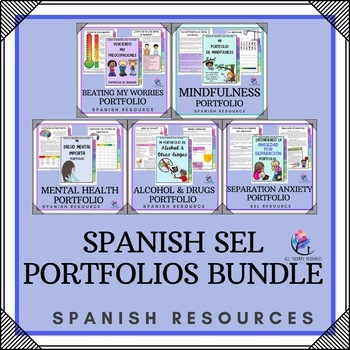
Assessing Social-Emotional Learning Through Portfolios
In recent years, the importance of social-emotional learning (SEL) has gained significant recognition in the field of education. SEL refers to a set of skills that enable individuals to understand and manage their emotions, build positive relationships, make responsible decisions, and develop empathy towards others. As schools strive to provide a holistic education experience for students, it becomes imperative to assess their progress in these areas. One effective method that educators are increasingly adopting is assessing social-emotional learning through portfolios.
Traditionally, assessments have focused on cognitive abilities such as reading comprehension or mathematical proficiency. While these skills are undoubtedly valuable for academic success, they do not capture the full spectrum of a student’s growth and development. By emphasizing SEL assessment through portfolios, educators gain insight into students’ emotional intelligence, self-awareness, and interpersonal skills – all critical aspects for personal and professional success.
So what exactly is an SEL portfolio? Similar to academic portfolios showcasing students’ best work across subjects or projects completed over time, SEL portfolios allow students to collect evidence of their social-emotional growth throughout their educational journey. These portfolios serve as a comprehensive collection of artifacts that reflect students’ understanding and application of various SEL competencies.
Building an effective SEL portfolio requires careful planning by both teachers and students. It starts with identifying key competencies aligned with the school’s curriculum and desired outcomes. Some common examples include self-awareness, self-management, social awareness, relationship skills, responsible decision-making – each encompassing specific sub-skills within them.
Teachers can guide students in selecting appropriate artifacts that demonstrate growth in these areas. For instance:
1. Self-Awareness: Students may include reflections on personal strengths and weaknesses or documentation highlighting instances where they demonstrated self-control during challenging situations.
2. Self-Management: Artifacts could showcase goal-setting exercises or examples where students effectively managed time or resources independently.
3. Social Awareness: Students might include evidence of participation in community service projects or reflections on understanding diverse perspectives.
4. Relationship Skills: Artifacts could highlight instances where students effectively communicated, resolved conflicts, or collaborated with peers to achieve common goals.
5. Responsible Decision-Making: Examples may include thoughtfully written essays discussing ethical dilemmas and the decision-making process employed by students.
The key aspect of SEL portfolios is that they provide a holistic view of a student’s social-emotional growth over time. By documenting progress through different stages, educators can identify patterns and trends in individual development. This information allows for personalized interventions and targeted support when necessary, ensuring each student’s SEL needs are met effectively.
Moreover, SEL portfolios offer opportunities for self-reflection and self-assessment. As students curate their work samples and reflect upon their learning journey, they gain a deeper understanding of their own strengths, weaknesses, and areas for improvement. They become active participants in their own growth process rather than passive recipients of instruction.
Assessing social-emotional learning through portfolios also promotes authentic assessment practices. Traditional assessments often rely heavily on standardized tests or quizzes that do not capture real-world applications of knowledge and skills. Portfolios provide an alternative approach that showcases students’ ability to transfer learned skills into various contexts – an essential skill set required beyond the classroom walls.
In addition to benefiting individual students, SEL portfolios also contribute to school-wide assessment practices and program evaluation. Aggregating data from these portfolios enables educators to analyze overall trends within cohorts or even across grade levels. This information helps schools assess the effectiveness of SEL programs implemented at various levels and make informed decisions about future interventions or modifications needed for optimal outcomes.
While assessing social-emotional learning through portfolios offers numerous advantages, there are challenges that need consideration as well – one being consistent rubrics for evaluation purposes. To ensure fairness and reliability across assessments conducted by multiple teachers or institutions, it is crucial to establish clear criteria against which artifacts will be evaluated. This may involve developing rubrics that outline expectations for each SEL competency and its sub-skills.
Furthermore, time management can be another challenge associated with implementing SEL portfolios. Teachers need to allocate sufficient time within the curriculum for students to engage in self-reflection, artifact selection, and portfolio curation activities. This requires careful planning and integration of SEL assessment practices into existing instructional routines.
In conclusion, assessing social-emotional learning through portfolios is a valuable approach that allows educators to gain insight into students’ holistic development beyond academics. By capturing evidence of students’ growth in key SEL competencies over time, portfolios provide a comprehensive view of their emotional intelligence and interpersonal skills. These assessments promote self-reflection, personalized interventions, authentic assessment practices, and contribute to program evaluation at both individual and school-wide levels. Though challenges exist in terms of consistent rubrics and time management, the benefits far outweigh them as this method ensures a more comprehensive understanding of student progress toward becoming well-rounded individuals ready to face the challenges of life beyond the classroom walls.
 Alternative Amie
Leave a comment