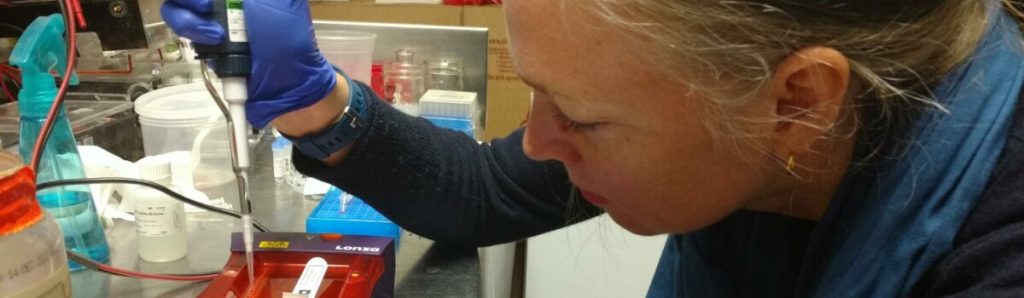
Biohacking and Bioengineering: Exploring the Frontiers of Science
In recent years, a growing movement known as biohacking has gained momentum within the field of science and technology. This innovative approach to biology combines elements of biology, engineering, genetics, and computer programming to push the boundaries of what is possible in human health and performance. With its roots firmly planted in do-it-yourself (DIY) culture, biohacking offers an alternative approach to traditional schooling by encouraging hands-on learning experiences and fostering curiosity-driven exploration.
At its core, biohacking involves applying scientific principles to modify biological systems for various purposes. These modifications can range from enhancing physical performance or cognitive abilities to exploring new possibilities for medical treatment and disease prevention. Biohackers often work independently or in small groups outside of traditional research institutions, using open-source tools and sharing their findings with like-minded individuals around the world.
One prominent area within biohacking is genetic engineering. By manipulating DNA sequences, scientists can introduce new traits into organisms or alter existing ones. This field holds immense potential for advancing medicine by creating genetically modified organisms that produce therapeutic proteins or developing gene therapies that target specific diseases.
Another aspect gaining attention is nootropics – substances claimed to enhance cognitive function. Nootropics include compounds like caffeine, omega-3 fatty acids, and certain herbal supplements that may improve memory, focus, or creativity. While some nootropics have been studied extensively with positive outcomes reported in clinical trials, others still lack sufficient scientific evidence regarding their effectiveness.
Additionally, wearable technology plays a significant role in the biohacking community by providing real-time data on various health parameters such as heart rate variability (HRV), sleep patterns, and stress levels. These devices enable users to monitor their physiological responses constantly while making informed decisions about lifestyle choices aimed at improving overall well-being.
Critics argue that biohacking could potentially pose risks if not regulated properly. Concerns range from the potential misuse of genetic engineering techniques to the long-term effects of nootropics on brain health. However, proponents argue that biohacking can empower individuals by allowing them to take control of their own biology and pursue personalized approaches to health and wellness.
While biohacking remains a relatively new field, it has already sparked significant interest among both scientists and amateurs alike. Biohackers are actively pushing boundaries, challenging traditional educational models, and creating alternative paths for learning about biology, genetics, and human performance. Their work not only paves the way for scientific advancements but also opens up possibilities for unconventional education methods that promote curiosity-driven exploration and hands-on learning experiences. As biohacking continues to evolve, its impact on our understanding of biology and human potential is yet to be fully realized.
 Alternative Amie
Leave a comment