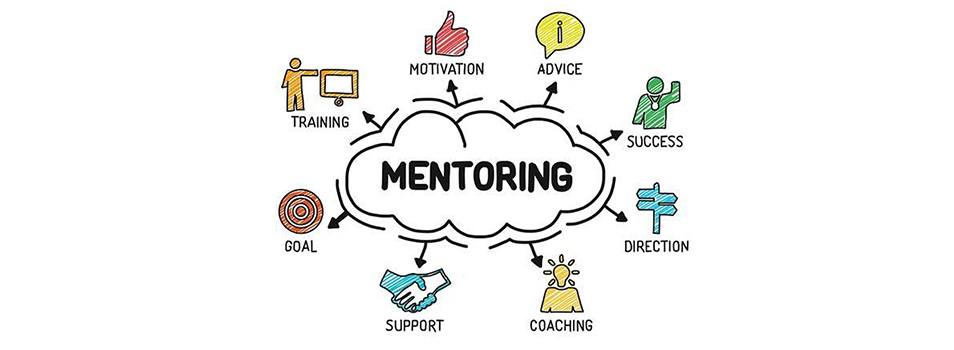
The Role of Mentees in Peer Mentoring Programs
Peer mentoring programs have gained popularity in recent years as a valuable tool for personal and academic development. These programs provide an opportunity for students to support and guide each other, fostering a sense of community and camaraderie within the school environment. While mentors play a crucial role in these programs, it is equally important to recognize the significance of mentees.
Mentees are individuals who seek guidance and support from their peers through participating in peer mentoring initiatives. They come from diverse backgrounds, with different strengths, weaknesses, goals, and aspirations. By actively engaging in these programs, mentees can benefit greatly from the experience by gaining invaluable insights and knowledge.
One of the primary roles of mentees in peer mentoring programs is that they set clear goals for themselves. Whether it’s improving academic performance or enhancing social skills, mentees work closely with their mentors to establish realistic objectives that align with their personal growth. This process helps them develop self-awareness and clarity about what they want to achieve during their time in the program.
Moreover, mentees actively participate in building and maintaining effective mentor-mentee relationships. They initiate conversations with their mentors, ask questions when needed, share concerns or challenges they may be facing at school or home, and seek advice on how to overcome obstacles. By taking an active role in this relationship-building process, mentees display enthusiasm for learning from their peers’ experiences.
Another vital aspect of being a mentee is having an open mind to receiving feedback constructively. Mentors often provide guidance based on their own experiences or expertise but tailored specifically to suit the needs of the individual mentee. Embracing this feedback allows mentees to challenge themselves intellectually while also growing personally by recognizing areas where improvement is necessary.
In addition to receiving guidance from mentors directly assigned by the program coordinators, many peer mentoring initiatives encourage informal mentorships among students across different grade levels. In this context, older mentees can play a significant role in guiding younger students. By sharing their own experiences and insights, these older mentees create a supportive environment for their juniors, helping them navigate through the challenges they may face.
As mentees progress throughout the program, they are often encouraged to reflect on their own growth and development. Through self-reflection exercises or journaling, mentees gain a deeper understanding of themselves and their personal journeys. This reflection allows them to identify areas where they have made significant strides while also recognizing areas that require further attention and improvement.
Mentees are not only recipients of guidance but also active contributors to the overall success of peer mentoring programs. They can provide valuable feedback about the program’s structure, activities, and effectiveness based on their firsthand experience as participants. This input helps program coordinators refine and optimize future iterations of the initiative to ensure it continues to meet the evolving needs of its participants.
Furthermore, by actively engaging in peer mentoring programs, mentees become ambassadors for support networks within their school communities. They inspire others who may be facing similar challenges or seeking guidance to seek out opportunities for mentorship and personal growth. Mentees serve as living examples that seeking help from peers is not a sign of weakness but rather an indication of strength and resilience.
In conclusion, peer mentoring programs offer tremendous benefits for both mentors and mentees alike. While mentors play a critical role in providing guidance and support, it is equally important to recognize the invaluable contributions made by mentees in these initiatives. From setting goals for personal growth to actively participating in building mentor-mentee relationships, receiving feedback constructively, reflecting on personal development journey, providing feedback on program improvements or becoming ambassadors within their school communities; mentees are instrumental in ensuring the success of peer mentoring programs while simultaneously benefiting from them personally.
 Alternative Amie
Leave a comment