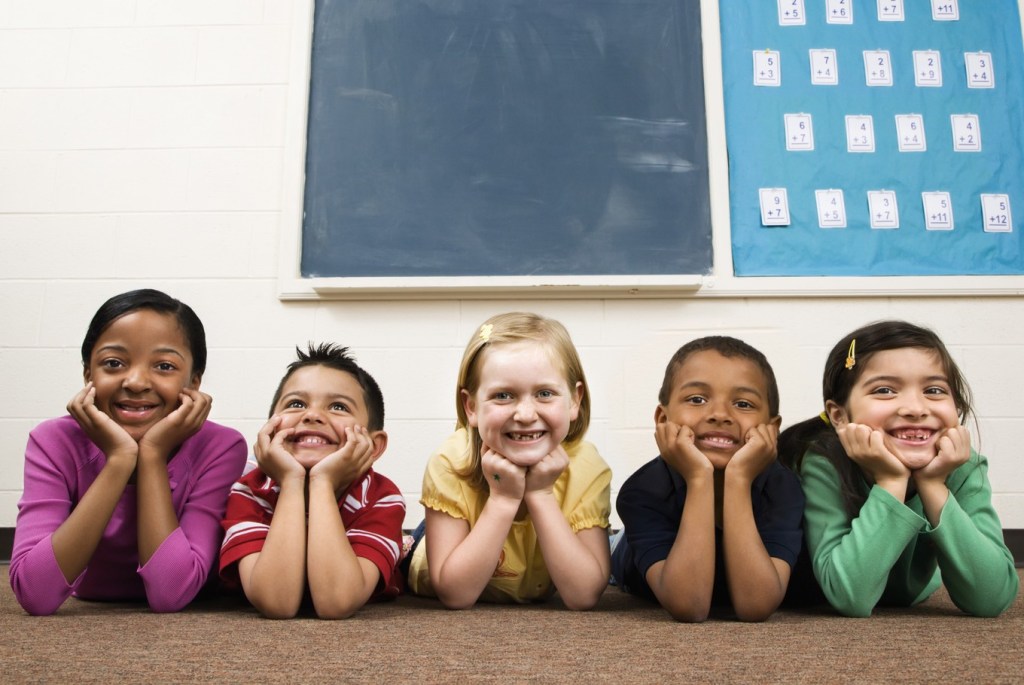
Multicultural Education: Embracing Diversity in the Classroom
In today’s globalized world, embracing diversity and promoting multicultural education has become more important than ever. As educators, it is our responsibility to create inclusive learning environments that respect and celebrate different cultures, beliefs, and backgrounds. Multicultural education not only enhances students’ understanding of the world but also promotes empathy, tolerance, and critical thinking skills. In this post, we will explore some practical strategies for implementing multicultural education in your classroom.
1. Integrate diverse perspectives into the curriculum:
One of the key aspects of multicultural education is incorporating diverse perspectives into the curriculum. This can be achieved by selecting textbooks, literature, and resources that represent various cultures and ethnicities. By providing students with a wide range of narratives and viewpoints, they develop a deeper appreciation for diversity while challenging their own biases.
2. Foster open discussions:
Encourage open discussions in your classroom where students feel safe sharing their thoughts about cultural differences without fear of judgment or ridicule. These conversations allow students to learn from each other’s experiences while building mutual respect. It is essential to establish ground rules for respectful dialogue and facilitate active listening among students during these discussions.
3. Invite guest speakers:
Bringing guest speakers from different cultural backgrounds to share their experiences can be an enriching experience for both you and your students. Guest speakers can provide firsthand accounts of their traditions, customs, or historical events relevant to their culture. Students get to ask questions directly to someone who has lived those experiences which deepens their understanding.
4.Promote cross-cultural collaborations:
Organize activities that promote cross-cultural collaborations within your classroom or even across different classrooms within your school community – such as pen-pal programs or virtual exchanges with schools from other countries or regions around the world. These activities help foster friendships between students from diverse backgrounds while encouraging them to work together towards common goals.
5.Provide professional development opportunities:
To effectively implement multicultural education, it is crucial for educators to continually educate themselves about different cultures and teaching strategies. Attend workshops, conferences, or online courses that focus on multicultural education and cultural competency. These professional development opportunities will equip you with the necessary knowledge and skills to create a truly inclusive classroom environment.
In conclusion, multicultural education plays a vital role in preparing students for the diverse world they will encounter beyond the school walls. By integrating diverse perspectives into the curriculum, fostering open discussions, inviting guest speakers, promoting cross-cultural collaborations, and seeking professional development opportunities as educators – we can create classrooms that celebrate diversity while building empathy and understanding among students. Let’s embrace multiculturalism and empower our future generations to become compassionate global citizens.
 Alternative Amie
Leave a comment